Cremation urns for ashes in Tampa, Florida
Tampa families often want a cremation urn for ashes or a Gulf ceremony planned under the federal ocean rule. Florida’s projected 2025 cremation rate is 73.5%.
Tampa does not have a separately published cremation rate. The 73.5% figure is Florida’s statewide 2025 projection from the NFDA 2024 report.
The Memorial Market ships to the Tampa Bay area and does not operate a local charter boat.
Tampa ash scattering, the bay, and the Gulf
The Gulf of Mexico is ocean water under the EPA general permit: at least three nautical miles from land, decomposable materials only, and notice within 30 days. A biodegradable memorial urn is the usual vessel.
Tampa Bay itself is generally treated as inland water, not open ocean, so the federal burial-at-sea permit does not automatically authorize a ceremony inside the bay. Ask the Florida Department of Environmental Protection or the local managing agency before a Tampa Bay ash-scattering plan. Beaches on the Gulf still are not a substitute for the three-nautical-mile offshore distance.
Cremation urns, jewelry, and memorials for Tampa families
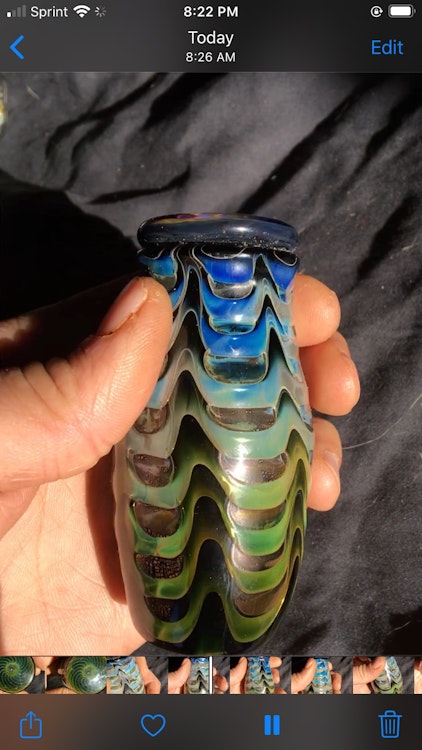
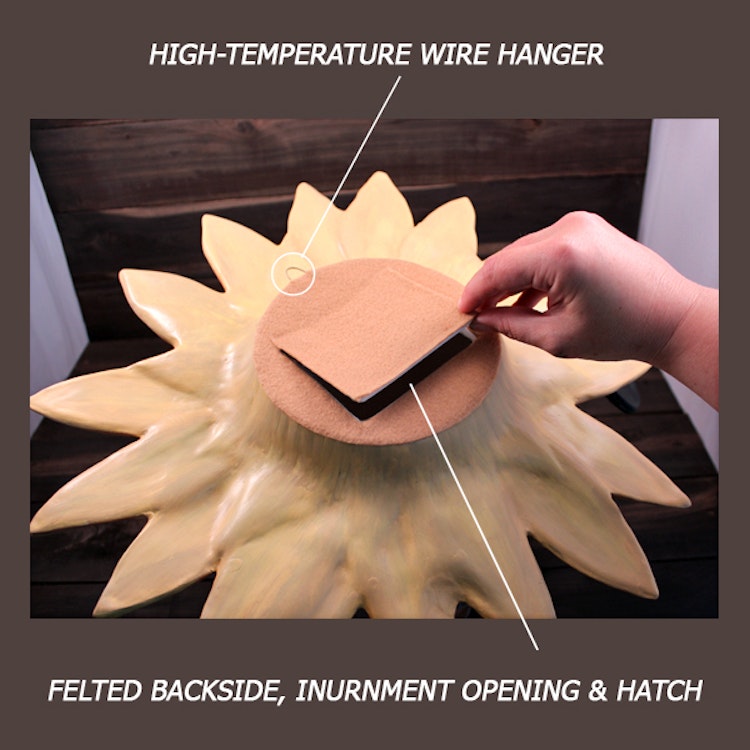
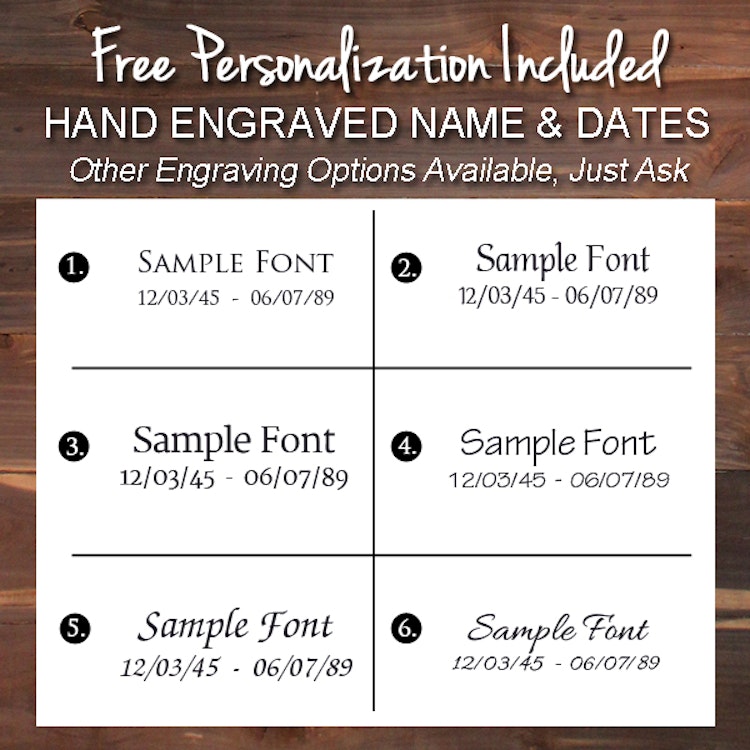
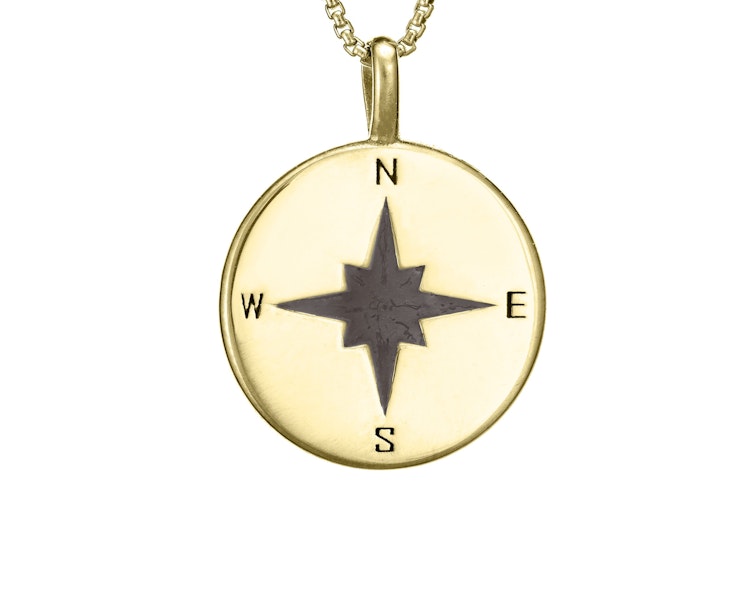
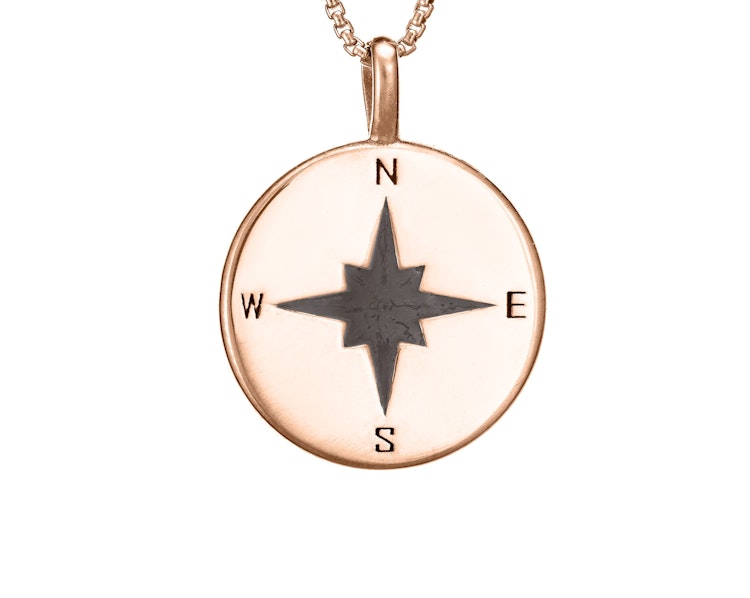
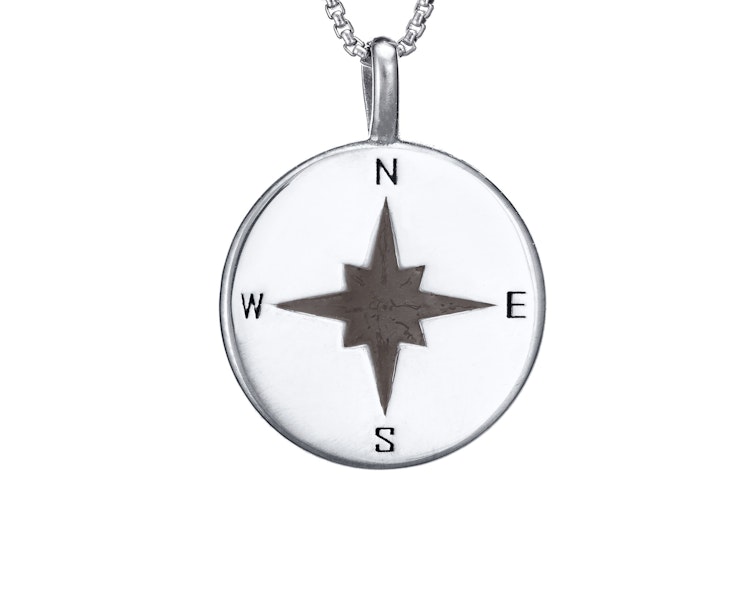
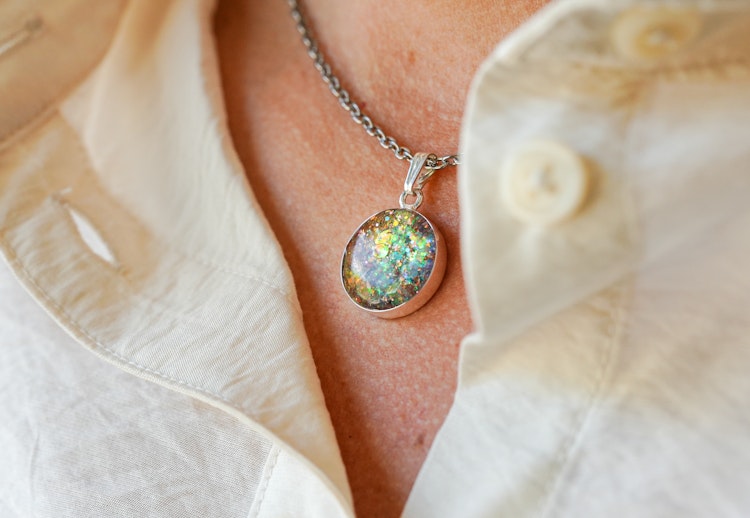
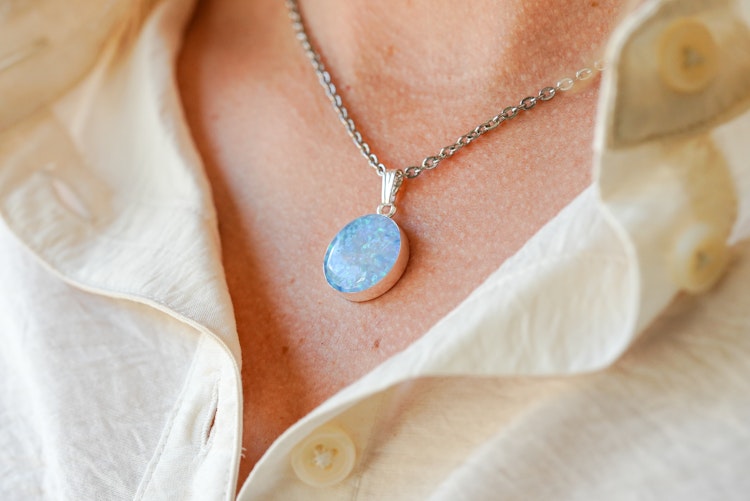
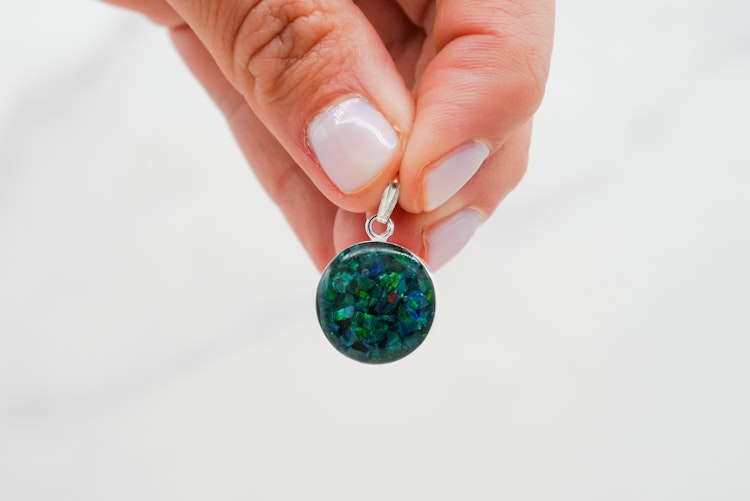
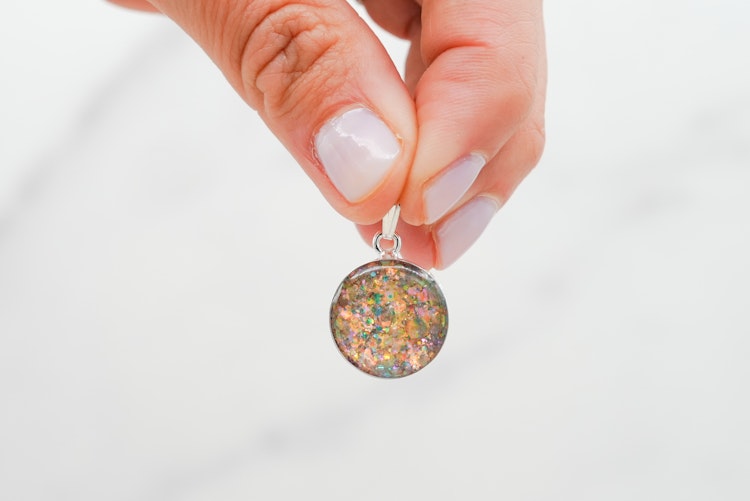
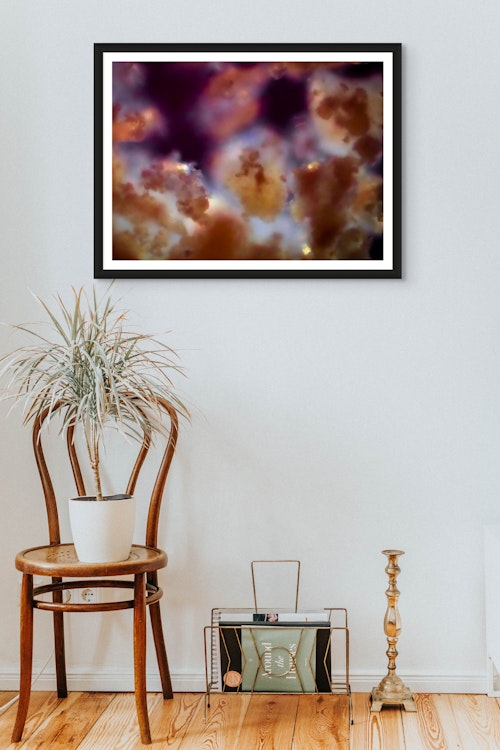
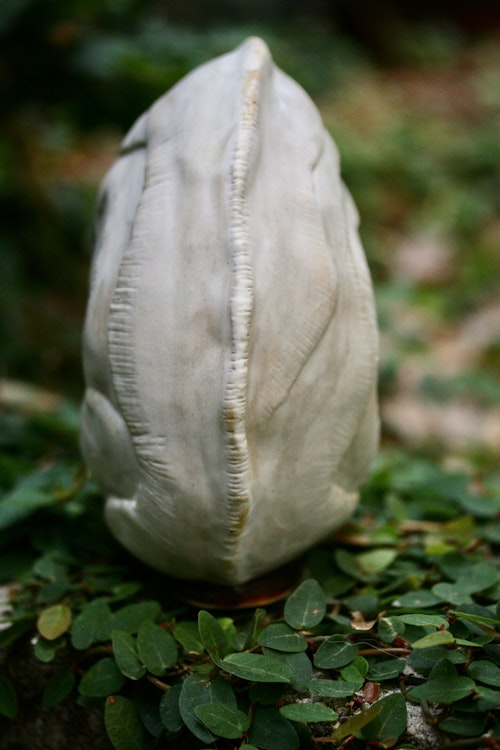
These memorials are from the live Memorial Market catalog — cremation urns for ashes, cremation jewelry, and related tributes. The Memorial Market is an online marketplace and does not operate a funeral home or showroom in this city. Boat or plane ash-scattering listings, when shown, are the actual departure areas named on those listings.
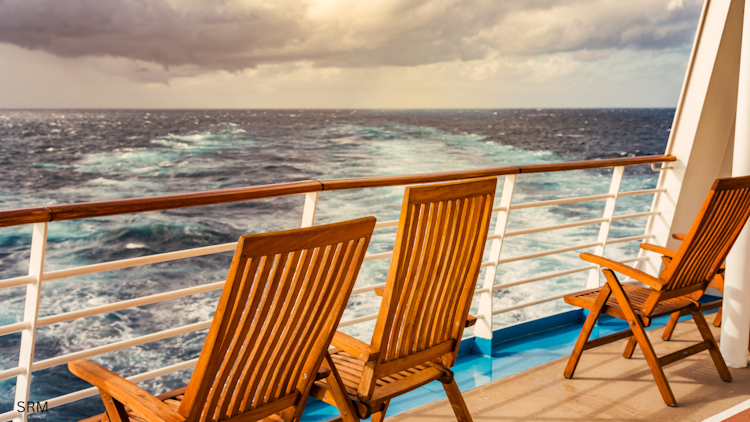




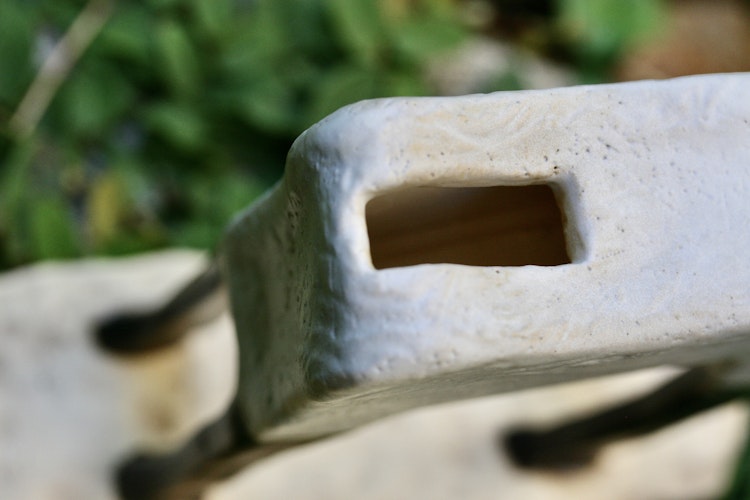
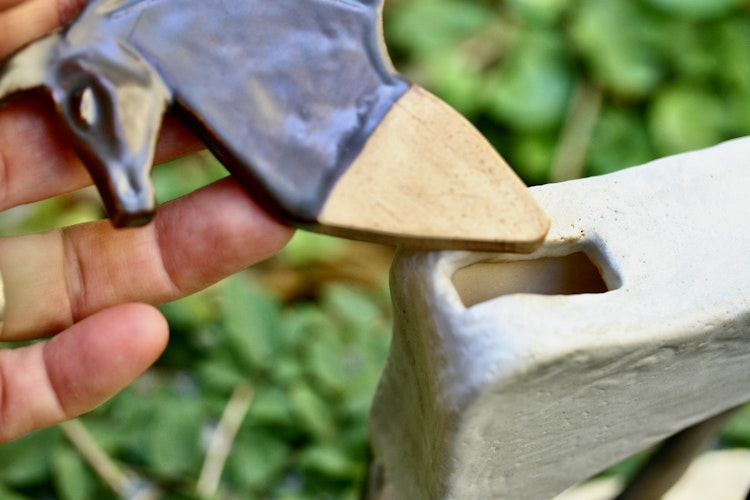
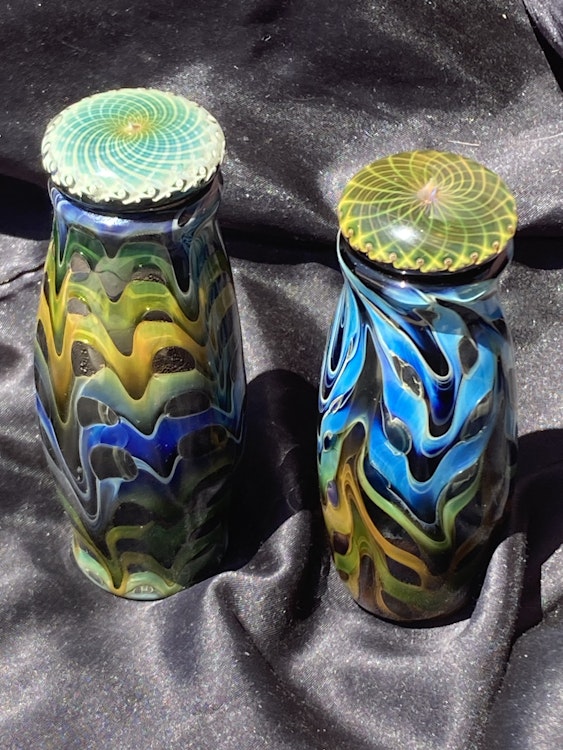







More in Florida
Frequently asked questions
Can I scatter ashes in Tampa Bay?
Tampa Bay is not a substitute for the EPA’s three-nautical-mile ocean requirement. Inland bays fall under state and local rules. Ask the Florida Department of Environmental Protection or the local waterway manager. This is not legal advice.
Does The Memorial Market have a store or funeral home in Tampa?
No. The Memorial Market is an online marketplace. We do not operate a showroom, funeral home, or staffed office in Tampa. Families there can browse cremation urns for ashes, cremation jewelry, and other memorials on the site, and vendors ship completed pieces. Local funeral homes, crematories, and park agencies handle arrangements and any permits where you live.
What is a biodegradable memorial urn?
A biodegradable memorial urn is a vessel designed to break down in soil or water, often chosen for a burial or a water scattering. The U.S. EPA’s general permit for burial at sea allows only materials that are readily decomposable in the marine environment — plastic or metal containers must not be left in the ocean. The Memorial Market’s current urn listings are primarily artisan ceramic, glass, and sculptural cremation urns for ashes; none of the published titles are labeled biodegradable. If you need a water-soluble vessel for an ocean ceremony, confirm the material with the seller or your charter captain before you buy.
What is the cremation rate in Florida?
The National Funeral Directors Association’s 2024 Cremation & Burial Report projected that 73.5% of deaths in Florida would be cremated in 2025, compared with a national projection of 63.3% in the same table. Those figures are projections, not a final vital-statistics release. A later NFDA report, announced in October 2025, updated the national 2025 projection to 63.4%. The Cremation Association of North America has separately reported a U.S. cremation rate of 62.8% in 2025. CANA’s full state table is not published publicly.
Can I scatter ashes from a Florida beach?
The EPA requires ocean placement at least three nautical miles from land. A beach or nearshore wading area does not meet that distance. A gathering on the sand is different from placing remains in the water. This is not legal advice.
Does the ocean rule apply in Tampa Bay or the Intracoastal?
The EPA’s burial-at-sea permit applies to ocean waters, not automatically to inland bays, rivers, or the Intracoastal. Those waters are a matter of state and local rules. Ask the Florida Department of Environmental Protection or the local managing agency. This is not legal advice.
Sources
This page summarizes published statistics and public rules to help families plan. It is not legal advice. Rules can change, and parks, cemeteries, and landowners may have their own requirements — confirm with the agency or owner that manages the place you have in mind.