Scattering Ashes: Where It’s Legal, How to Do It, and What It Costs
Scattering ashes can be one of the most beautiful goodbyes there is: a mountain they loved, the ocean they sailed, the garden they planted. This guide explains where scattering ashes is legal, the permits you may need, ten ways to do it, what it costs, and how to make the moment unmistakably theirs.
By The Memorial Market Editorial Team · Updated · 19 min read
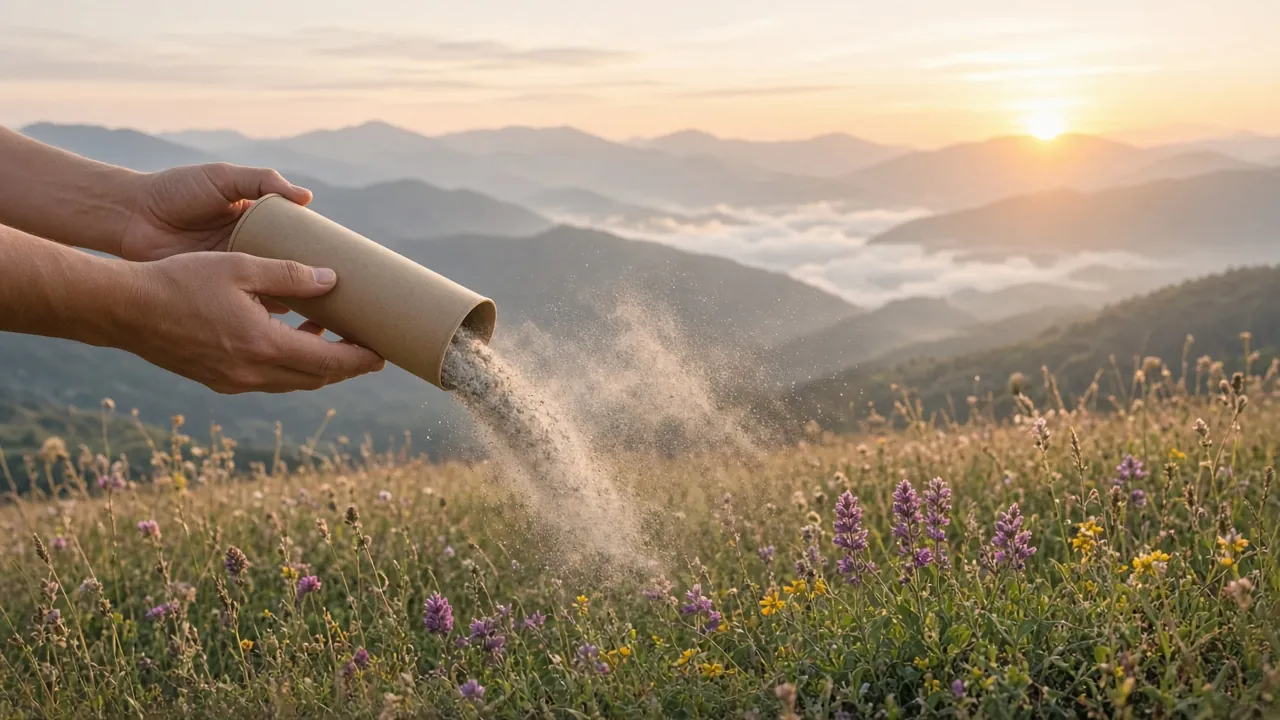
Quick answer
Scattering ashes is legal in much of the U.S., but the rules depend on where you scatter. At sea, federal law requires at least 3 nautical miles from land and a report to the EPA within 30 days. National parks require a permit or a designated area (36 CFR 2.62). Private land needs the owner’s permission (written permission in states such as California and Texas). Rivers and lakes are regulated by each state, and California bans scattering in lakes and streams, from bridges or piers, and on its beaches. Scattering by plane or drone is allowed if nothing is dropped in a way that creates a hazard. Doing it yourself can cost nothing; boat, plane and other services usually run from a few hundred to a few thousand dollars.
Key facts
- Ocean: 3 nautical miles from land, report to the EPA within 30 days (EPA).
- National parks: scattering is prohibited without a permit or a designated area (36 CFR 2.62). Joshua Tree’s permit costs $120.
- Private property: get the owner’s permission; California and Texas require it in writing.
- California: at sea, no scattering within 500 yards of shore or from a bridge or pier; lakes and streams need the governing agency’s written permission; county permit needed (San Diego: $12).
- Aircraft and drones: allowed if nothing is dropped in a way that creates a hazard (14 CFR 91.15, 107.23).
- Leave no trace: no urns, markers, plaques or piles of ash in parks.
Is it legal to scatter ashes? Rules by place
There is no single national law for spreading ashes on land (compare every state in our scattering ashes laws by state). Instead, the rules come from whoever controls the place: federal agencies for the ocean, national parks and the air; your state for rivers, lakes and state lands; and the owner for private property. Almost every agency asks for the same things: permission, discretion, and nothing left behind. Use this table as your starting point.
| Where | Allowed? | What you need |
|---|---|---|
| Ocean (burial at sea) | Yes | At least 3 nautical miles from land; report to the EPA within 30 days. See our burial at sea guide. |
| National parks | With a permit or in designated areas | A permit from the park (each park sets terms and fees); no markers, no piles of ash |
| Private property | Yes, with permission | The landowner’s permission; written permission in California and Texas |
| Your own land | Usually yes | Check local rules; in California, ashes must not be distinguishable to the public |
| State parks (California) | With written permission | A letter from the park’s Cultural Resource Supervisor |
| Rivers and lakes | Depends on the state | State rules apply; California excludes lakes and streams from its at-sea rule, so get the governing agency’s written permission. See laws by state. |
| Beaches (California) | No | Hold a gathering on the beach, then scatter 3 nautical miles out at sea |
| From a plane or helicopter | Yes | Release only the ashes, not the container, without creating a hazard; permission for the land below |
| By drone | Yes, with care | A licensed operator; nothing dropped in a way that creates an undue hazard; site permission |
| Cemetery scattering garden | Yes | Arrangements and fees set by the cemetery |
Sources: EPA, 36 CFR 2.62, Cal. HSC § 7116, § 7117, California State Parks, Tex. HSC § 716.302, 14 CFR 91.15, 14 CFR 107.23. General information, not legal advice.
Where can you scatter ashes? Place-by-place guide
Here is what each kind of place requires, with the official sources, so you can plan with confidence.
Scattering ashes at sea
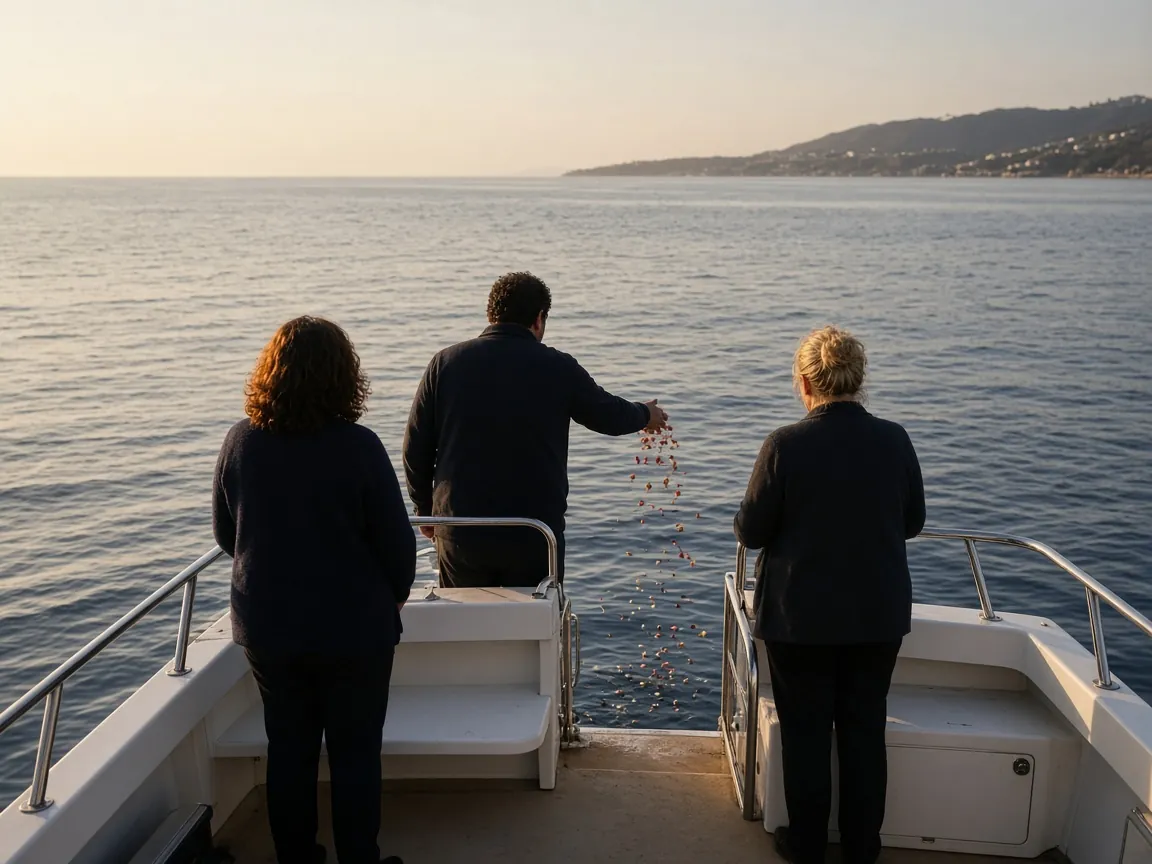
The ocean is the most popular place to scatter ashes in the U.S., and also the most clearly regulated. Under the EPA’s general permit (40 CFR 229.1), ashes can be scattered at least 3 nautical miles from land in water of any depth, with natural flowers if you like, and the scattering must be reported to the EPA within 30 days. No application or fee is required. Balloons, fireworks and other devices that don’t return to land are not allowed for carrying remains over the ocean (EPA). Our complete burial at sea guide covers costs, the Navy program for veterans, prayers and how to choose a boat.
Scattering ashes in national parks
Federal regulations prohibit scattering human ashes in a National Park Service area “except pursuant to the terms and conditions of a permit, or in designated areas according to conditions which may be established by the superintendent” (36 CFR 2.62). Each park runs its own process. Two examples:
- Joshua Tree National Park: a Special Use Permit applied for at least two weeks (10 business days) ahead, a $120 fee, a two-hour window and one assigned location. Ashes must be fully dispersed, and nothing may be left behind, not even flowers (NPS).
- Grand Teton National Park: apply at least two weeks ahead. Not within 100 yards of any stream, river or body of water; not in developed areas; remains broadly spread, not buried; no urns, cairns or markers. Grand Teton does not allow scattering from aircraft (NPS).
Search “scattering ashes” on the park’s own nps.gov site for its form. Aerial scattering over a park also needs the park’s permission; providers such as ash scattering by plane over Sequoia National Park and Kings Canyon National Park say they arrange this with each park.
Scattering ashes in California state parks
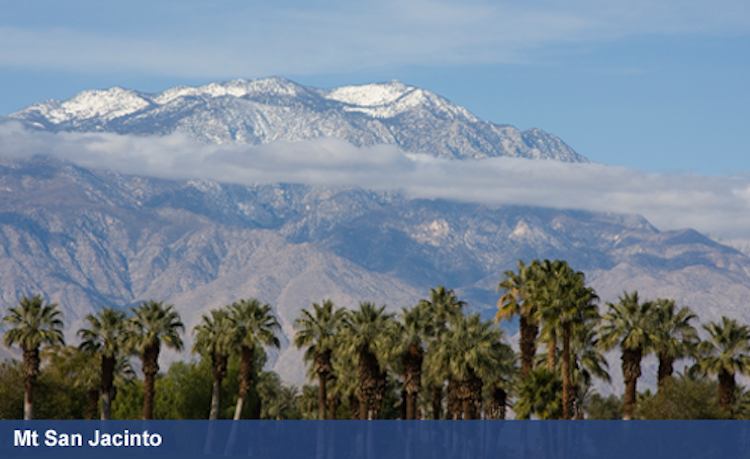
California State Parks allows scattering where appropriate, but you need written permission from the park’s Cultural Resource Supervisor, and the law is strictly enforced: violators may be fined $500 and/or jailed for up to six months. Archaeological sites, Native American burial sites and trails are off-limits, ashes must not be distinguishable to the public, recognizable bone fragments must be collected and removed, and no permanent marker may be left (California State Parks). For a memorable alternative, families choose aerial scattering over Mt. San Jacinto State Park or Chino Hills State Park.
Scattering ashes on private property and your own land
On land you own, scattering is generally allowed unless a local rule says otherwise. On someone else’s land, always ask first. Several states put this in law: California requires the written permission of the property owner or governing agency and that the ashes not be distinguishable to the public (HSC § 7116); Texas allows scattering on private property with the written consent of the property owner, and over uninhabited public land, the sea or other public waterways (Tex. HSC § 716.302). If you scatter at a family home, remember that a future sale means future owners; many families choose raking or a garden bed rather than a single visible spot.
Scattering ashes in rivers, lakes and bays
Inland waters are not covered by the federal burial-at-sea permit. The EPA says states may regulate scattering in lakes, rivers and other inland waters, and some states prohibit it; contact your state environmental agency, health department or mortuary board (EPA). In California, “at sea” includes inland navigable waters but excludes lakes and streams, and scattering must be at least 500 yards from shore (HSC § 7117). Lakes and streams fall under the general rule instead: written permission from the property owner or governing agency, with no local prohibition (HSC § 7116). Each state’s rules are in our scattering ashes laws by state. If water feels right, consider a scattering at sea or a quiet riverside ceremony where you scatter petals instead.
Can you scatter ashes on a beach?
Generally not at the water’s edge. In California, State Parks notes that the federal 3-nautical-mile rule means you cannot scatter ashes on California beaches (California State Parks). Hold the gathering on the sand, then send the ashes out by boat or plane.
Cemetery scattering gardens, sports fields and other public places
Many cemeteries have dedicated scattering gardens, a good option if you want a place to visit with a name on a wall or bench. Stadiums, golf courses and other private venues are private property like any other, so ask the owner first and get the answer in writing. City parks and public lands follow local and state rules, so call the managing agency. Our scattering ashes laws by state cover California, Florida, Texas, New York, Washington, Hawaii, Oregon, Arizona, Alaska, Nevada and Colorado, with a source for every rule.
10 ways to scatter ashes
There is no wrong way to scatter ashes, as long as it is legal and feels like them. These are the methods families use most, from simple to spectacular.
1. Casting (the classic scatter)
One person or several take turns gently tossing ashes into the wind, low to the ground and with the wind at their backs. It is quick and personal, and it is how most people picture scattering.
2. Using a scattering tube or scattering urn
A scattering tube is a biodegradable cardboard or paper tube with a pull-away top. It makes pouring controlled and dignified, and it is easy to carry on a hike. Grand Teton’s park staff suggest one for scattering in the park (NPS).
3. Raking
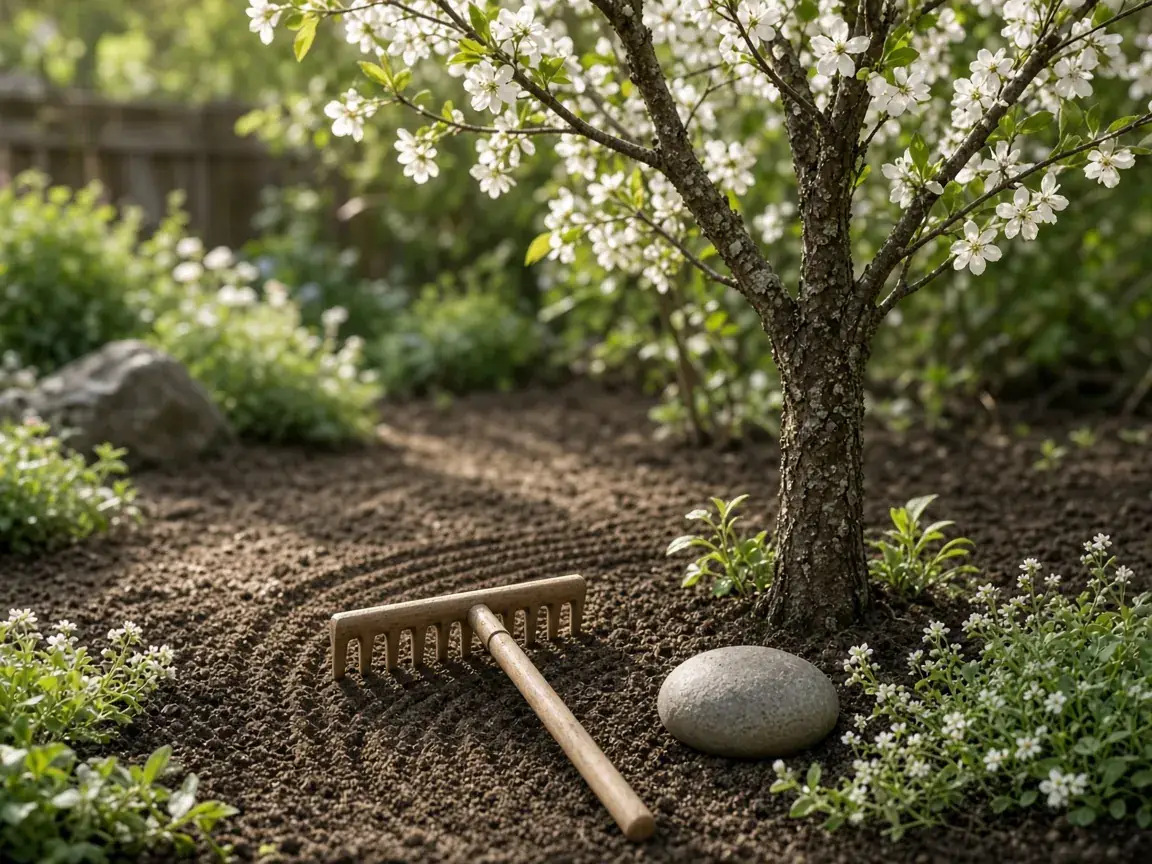
Ashes are poured onto loose soil and gently raked in, often under a tree, in a rose bed or in a favorite corner of the garden. Raking keeps ashes from being visible, which also helps meet California’s “not distinguishable to the public” rule.
4. Trenching
Dig a shallow trench, sometimes in a meaningful shape such as a heart or the person’s initials, pour in the ashes and cover them over. Note that some parks, including Grand Teton, require ashes to be spread on the surface and not buried, so trenching is best on private land with permission.
5. Ringing
Ashes are poured in a circle around something meaningful: a tree they planted, a garden, a favorite fishing spot. Family members can stand around the ring and each pour a portion.
6. Water scattering with flowers or a water urn
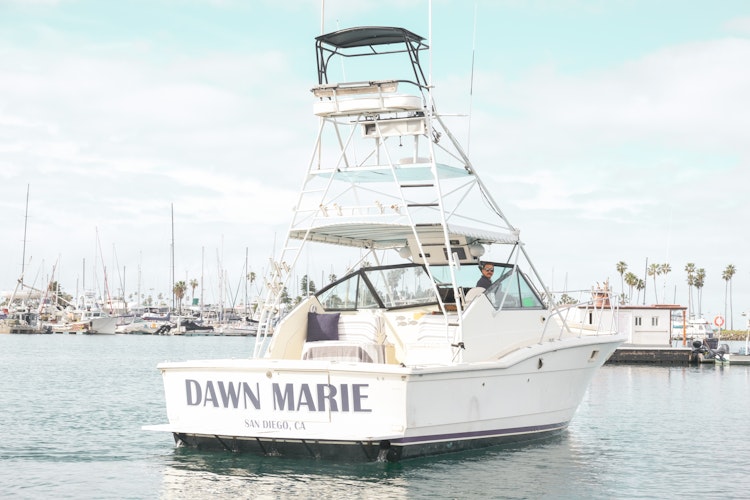
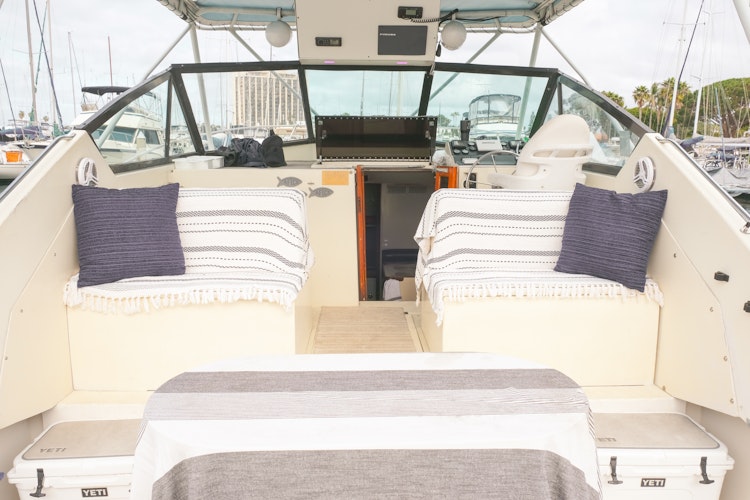
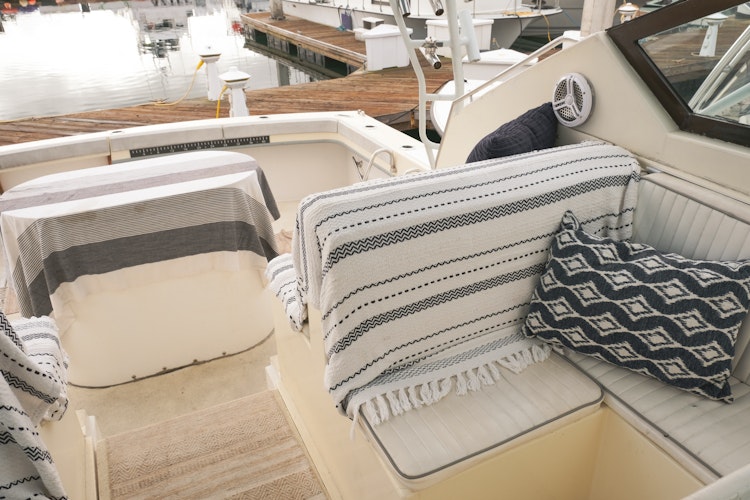
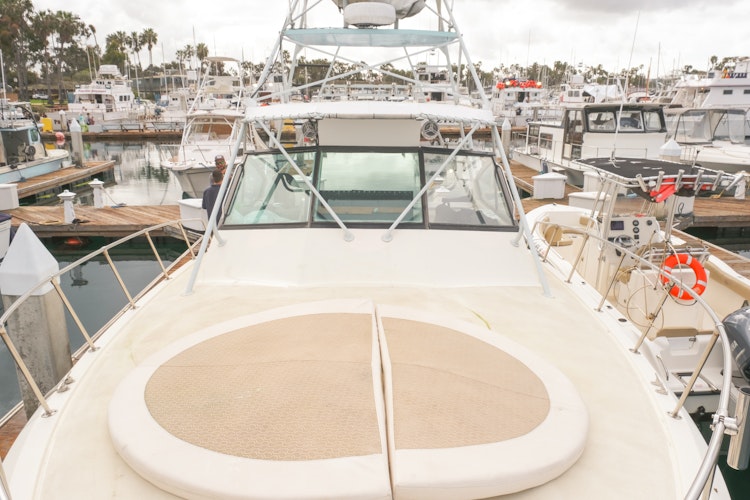
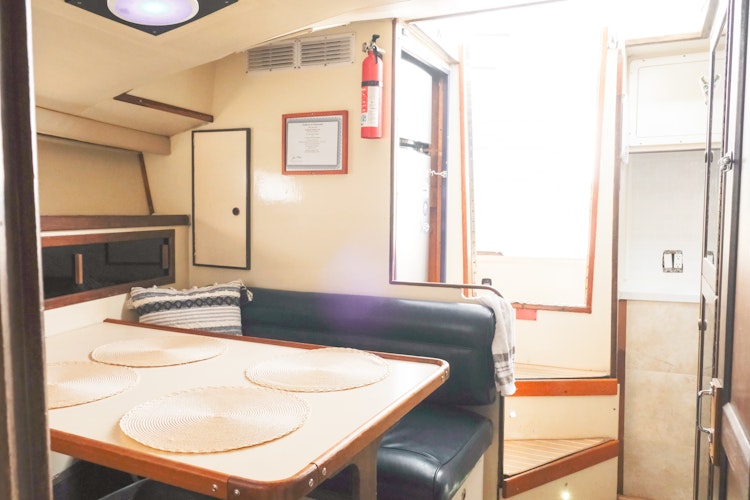
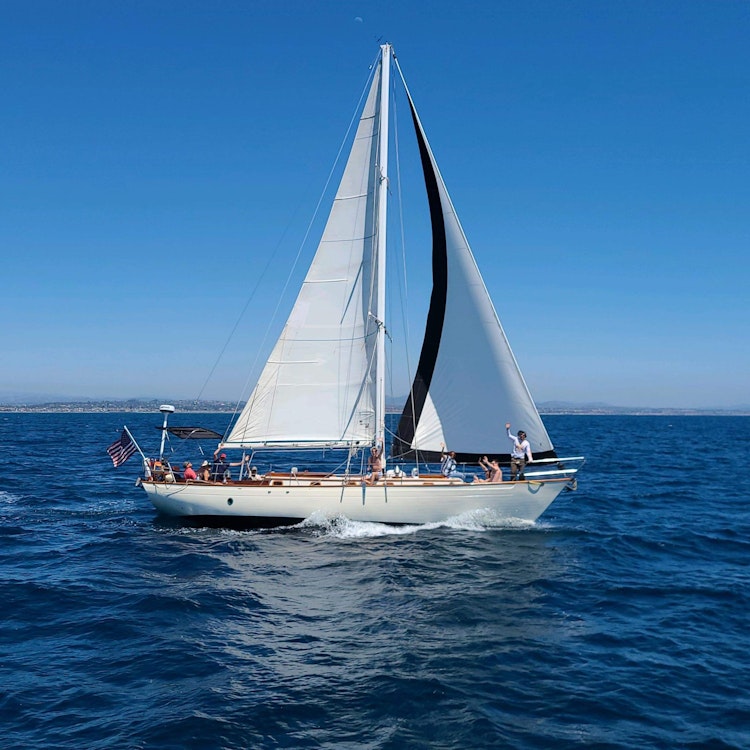
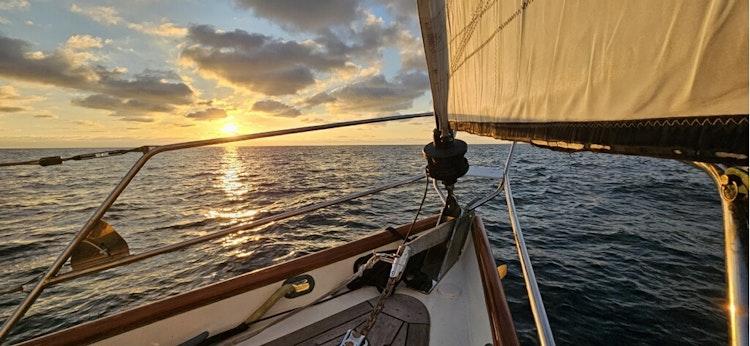
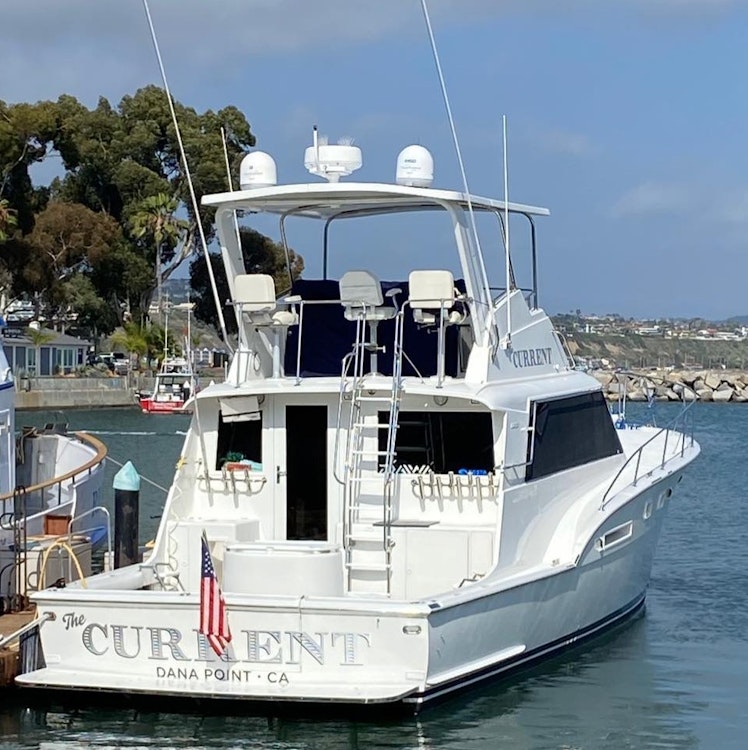
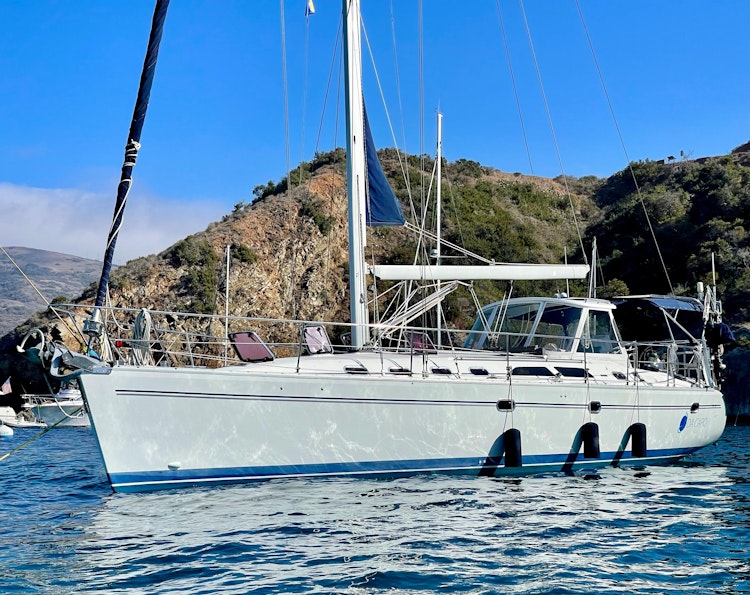
At sea, ashes are poured close to the surface on the downwind side of the boat, followed by petals. On a windy day a biodegradable water urn floats briefly, then sinks and dissolves. Book a boat scattering and the captain handles timing, position and the paperwork.
7. Aerial ash scattering by plane
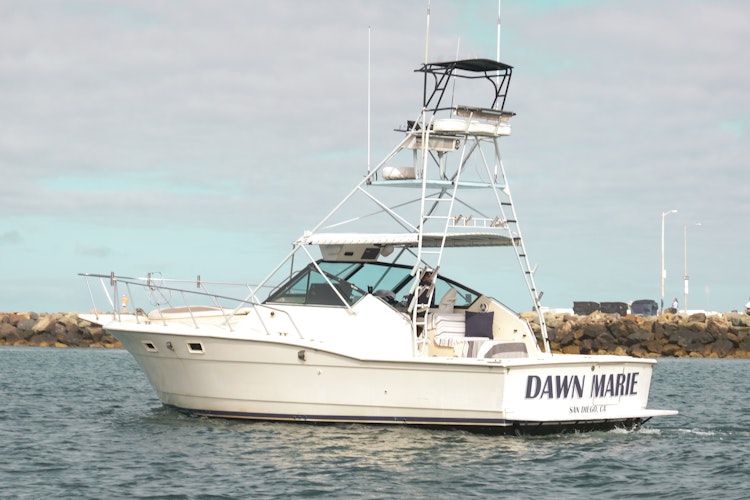
Scattering ashes from a plane reaches places that are hard or impossible to visit on foot: mountain ranges, deserts, national parks and open ocean. Federal aviation rules do not ban it. A pilot may not let anything drop that creates a hazard to people or property, but dropping is allowed when reasonable precautions are taken (14 CFR 91.15), and minimum safe altitudes still apply (14 CFR 91.119). In practice pilots release only the ashes through a tube, never the container. California scattering urns cannot be used from a plane (Cemetery and Funeral Bureau).
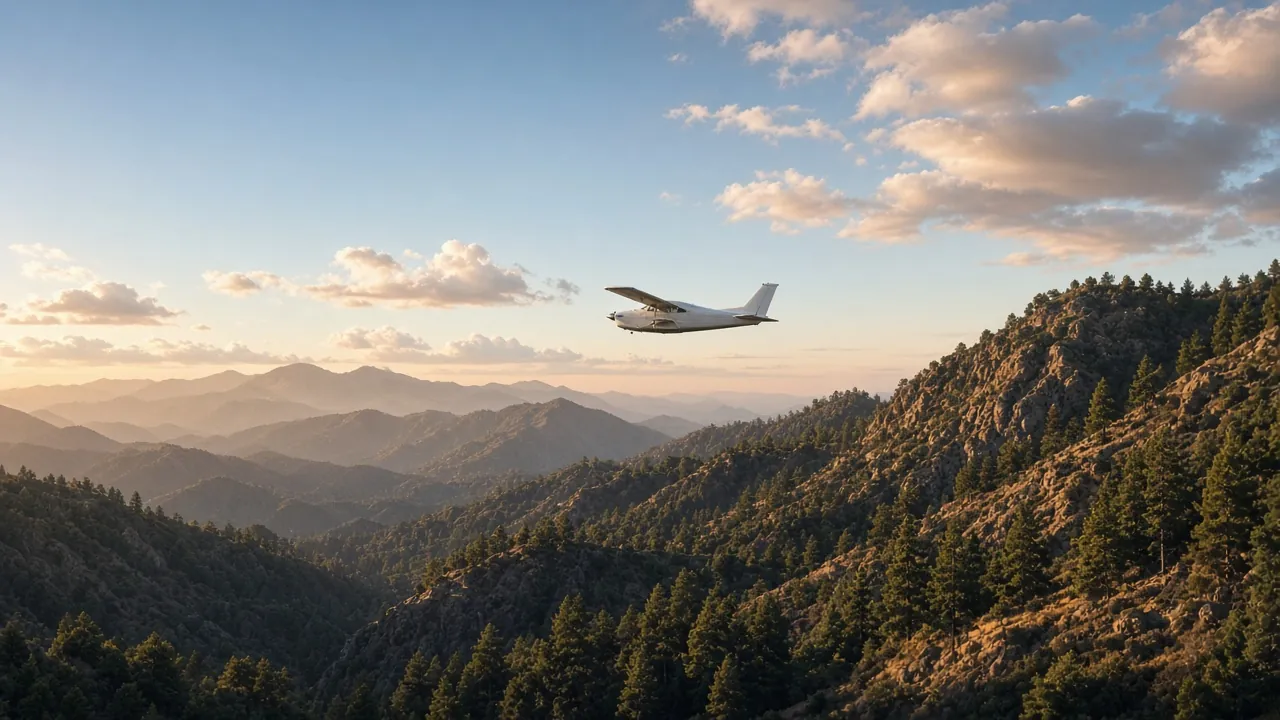
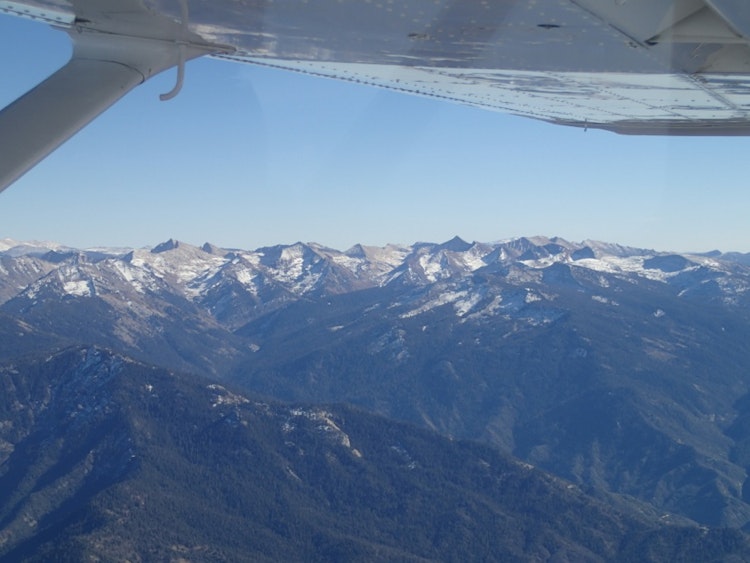
Services usually offer an unwitnessed flight (the pilot scatters on a day of their choosing and sends a certificate and photo), a witnessed flight that the family watches from a lookout on the ground, or a seat aboard for one family member. On The Memorial Market, unwitnessed scattering by plane at sea starts at $550, Mt. San Jacinto State Park above Palm Springs at $1,000, and Sequoia National Park at $2,500.
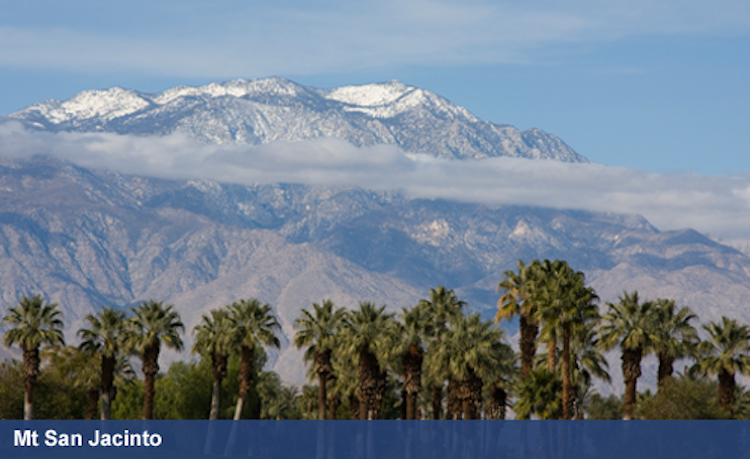
8. Drone ash scattering
Drone ash scattering releases ashes from a small canister over a precise spot while the family watches from the ground, often with video. Federal rules prohibit dropping an object from a small drone “in a manner that creates an undue hazard to persons or property” (14 CFR 107.23), so hire a licensed operator who knows the airspace, and get permission for the site. Some parks ban drones entirely; Grand Teton is one (NPS). Read more in ash scattering by drone.
9. Hot air balloon memorial flight
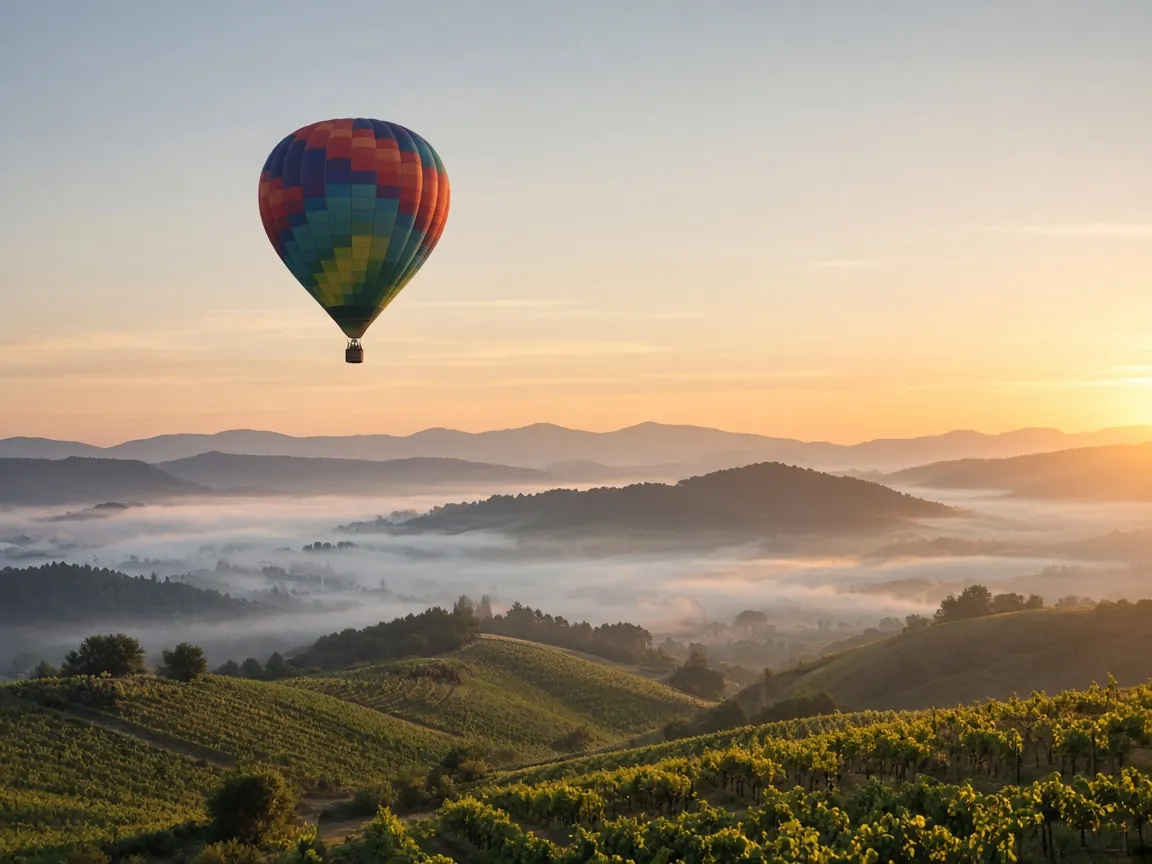
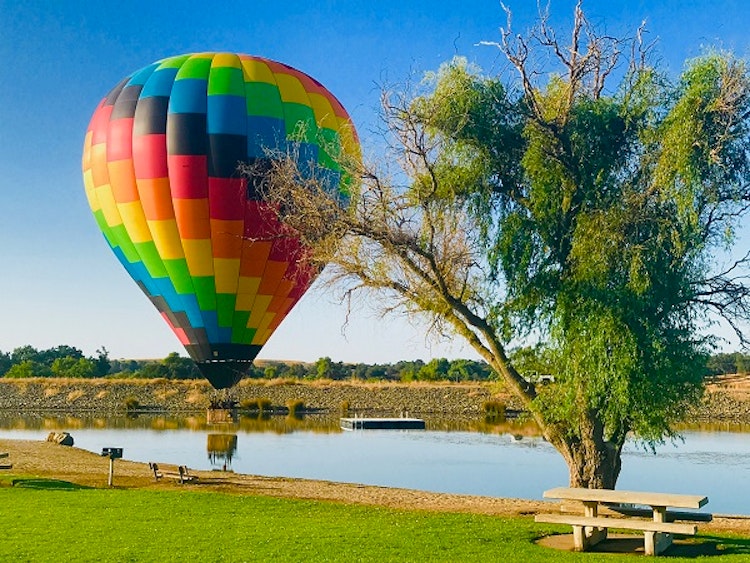
A private hot air balloon flight lets family rise together at sunrise and release the ashes over open country. The same aviation rule applies: nothing dropped in a way that creates a hazard, and permission for the land below. This is very different from a balloon release, which is not allowed for carrying remains over the ocean (EPA). See our memorial hot air balloon flight, from $2,000 for up to eight people.
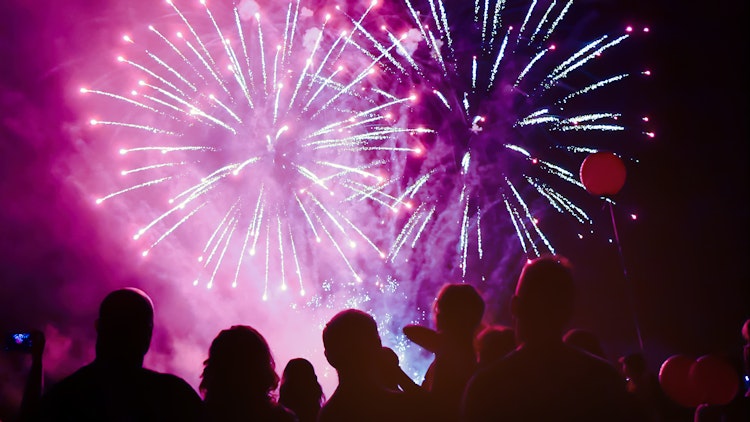
10. Memorial fireworks with ashes
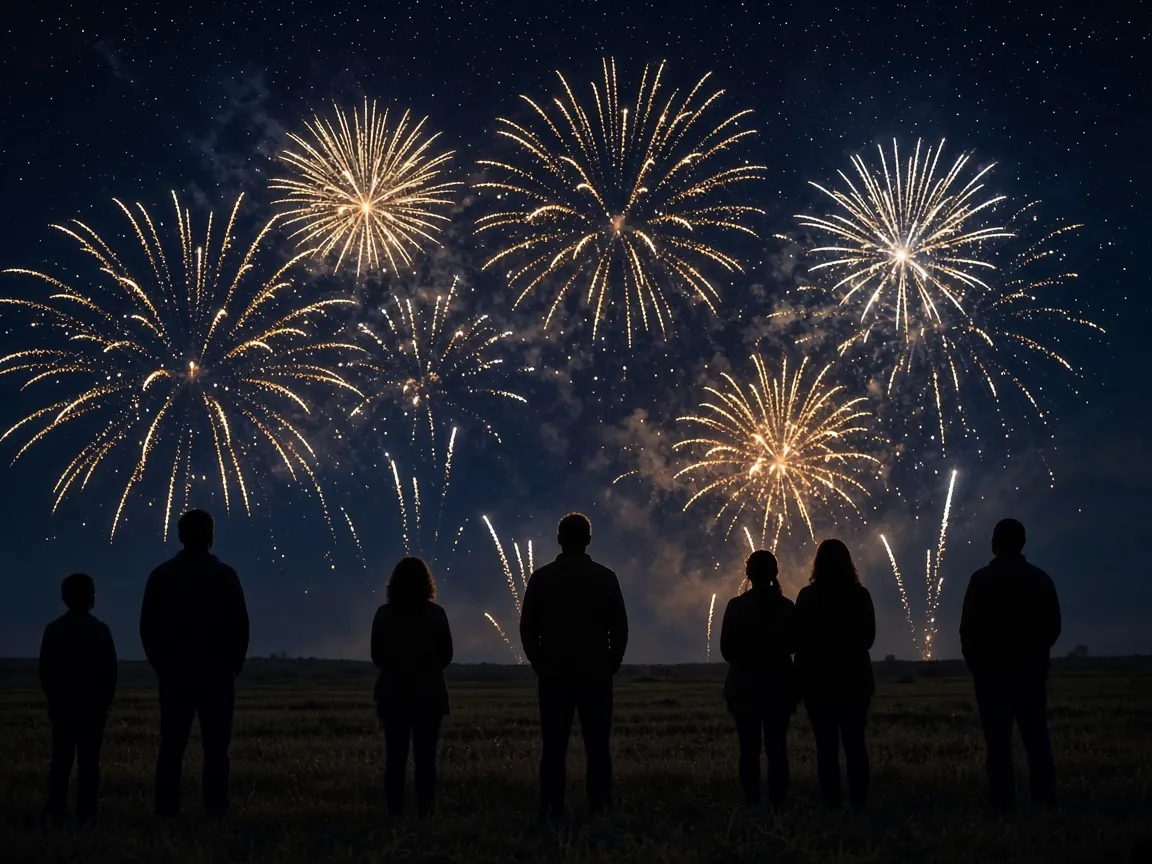
For someone who was the life of the party, cremation fireworks load a small amount of ashes into firework shells for a short, professional display. Fireworks are tightly regulated, so work only with licensed pyrotechnic professionals and ask them to confirm the local permits. Fireworks cannot carry remains over the ocean (EPA). A professional cremation fireworks display on The Memorial Market starts at $2,000.
Looking for even more unexpected tributes? Browse 10 unique ways to honor a loved one, ashes in shotgun shells for the hunter in the family, or a vinyl record pressed with ashes.
How to scatter ashes: a step-by-step guide
Confirm who decides
The person with legal authority over the remains (often named on the cremation authorization) makes the call. In Florida, for example, dividing cremated remains requires that person’s consent (Fla. Stat. § 497.607).
Pick the place and get permission
Use the table above. Get permission in writing where required, and carry it with you; Joshua Tree and California State Parks both require it on site.
Handle the paperwork
In California, the county Permit for Disposition must list scattering as the final disposition (San Diego County: $12 per permit) (County of San Diego). At sea, the EPA report is due within 30 days.
Decide whether to keep a portion
Many families set aside a spoonful for a keepsake urn or cremation jewelry before scattering. Do it at home, calmly, the day before.
Prepare the ashes
Ashes usually come in a sealed plastic bag inside a temporary box. Transfer them to a scattering tube or a container that pours easily. Bring a small scoop and a soft brush.
Check the wind
Ashes are heavier and grittier than people expect, and the fine dust travels. Stand with the wind at your back, pour low and close to the ground or water, and ask guests to stand upwind.
Say your words, then scatter
Share memories first, while everyone is calm. Then scatter in one pour, in turns, or in a ring or trench. In parks, spread the ashes widely and leave no piles.
Leave no trace and mark the moment
Take home bags, boxes and any recognizable fragments. Instead of a marker, save the GPS coordinates, take a photo, and plan to return on anniversaries.
How much does it cost to scatter ashes?
Scattering ashes yourself on private land can cost nothing. Permits are usually modest, and professional services range from a few hundred dollars for an unattended scattering at sea to several thousand for a flight over a national park or a memorial cruise. Here are real numbers.
| Method | Typical cost | Source |
|---|---|---|
| DIY on private land (with permission) | $0 | No permit unless a local rule requires one |
| County disposition permit (San Diego County, CA) | $12 per permit | County of San Diego |
| National park scattering permit (Joshua Tree) | $120 | NPS |
| Unattended scattering at sea (Southern California) | $175–$500 | Farrington Mortuary |
| Family-attended boat scattering (Southern California) | $500–$2,600 | Farrington Mortuary |
| Unwitnessed scattering by plane at sea | From $550 | Listing |
| Scattering by plane over a state park or mountains | $1,000–$2,100 | Mt. San Jacinto, Santa Monica Mountains |
| Scattering by plane over a national park | $2,500 | Sequoia, Kings Canyon |
| Hot air balloon memorial flight (up to 8 people) | $2,000 | Listing |
| Memorial fireworks display | From $2,000 | Listing |
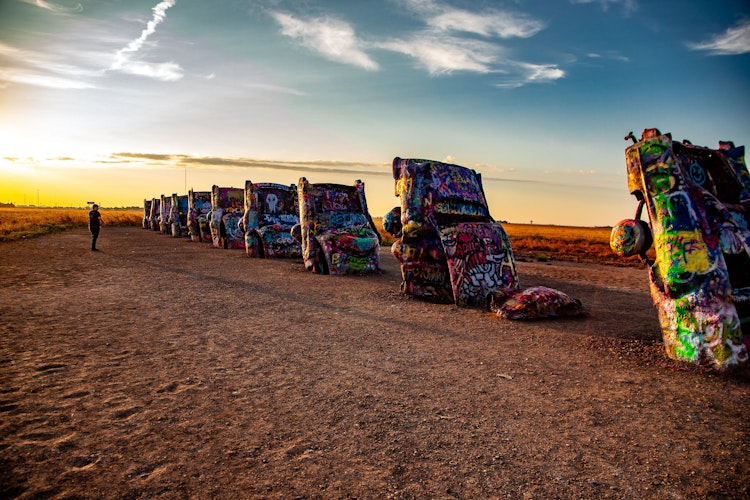
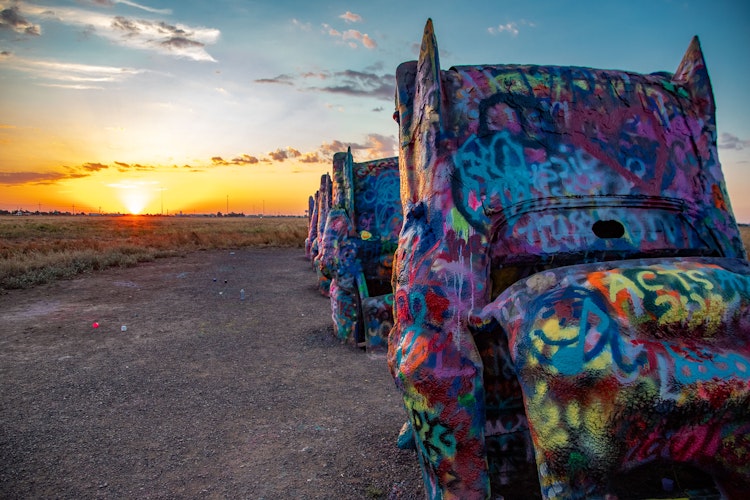
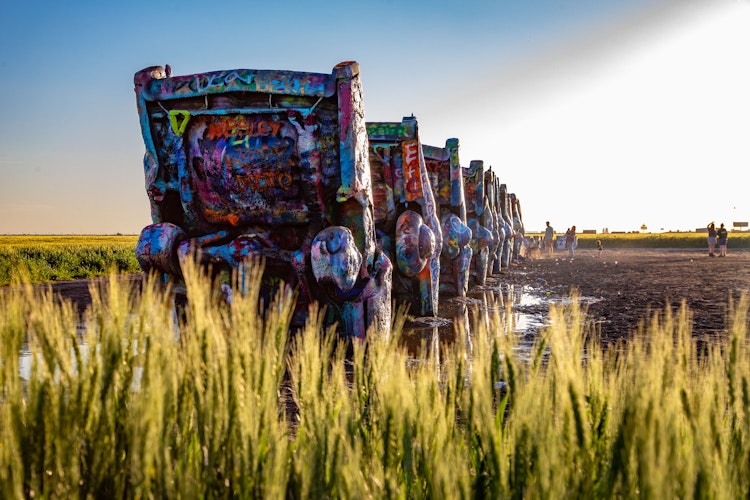
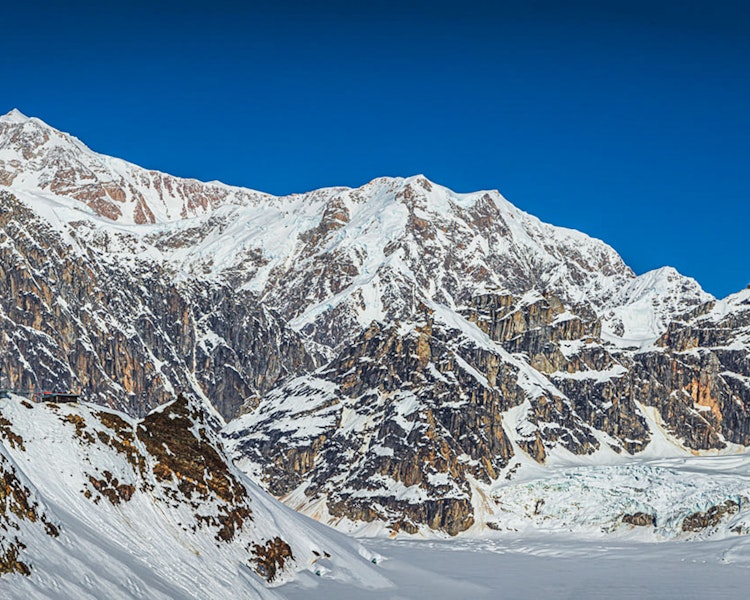
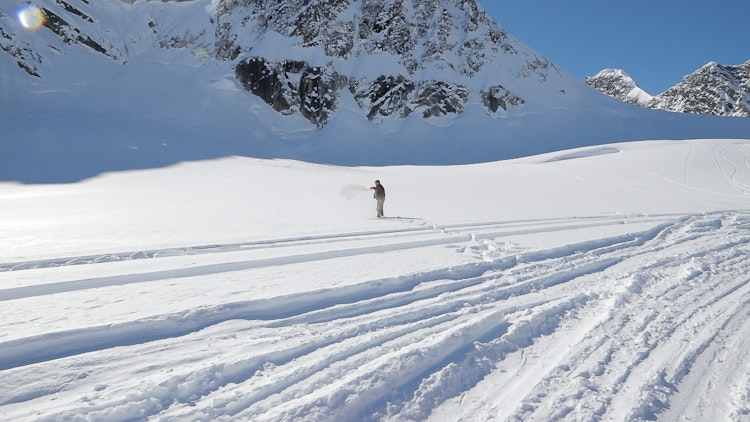
| Guided scattering at an iconic landmark | $995–$7,295 | Alabama, Cadillac Ranch, Denali |
| Ash scattering memorial cruise for two | From $4,974 | Bahamas, Alaska |
Memorial Market prices update automatically from each listing. Budgeting for the whole goodbye? See the ultimate guide to cremation costs.
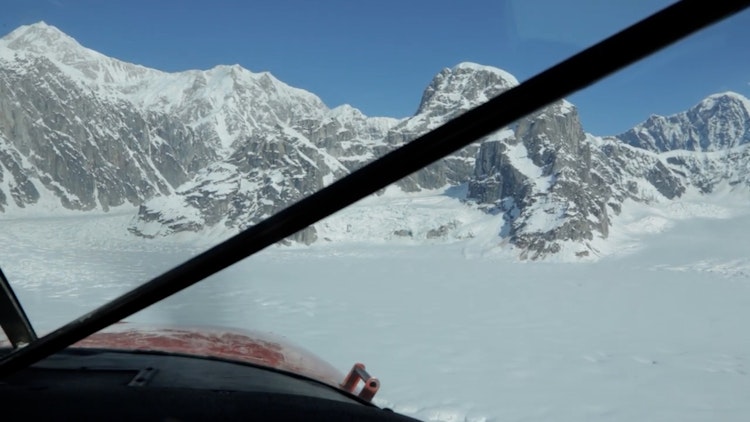
Ash scattering ceremony ideas and words to say
A scattering ceremony can last five minutes or an afternoon. What matters is that it sounds and feels like the person. Ideas families have loved:
- Choose a place tied to a story: the summit they climbed every summer, the lake they fished, the trail where they proposed.
- Ask everyone to bring one memory written on a card, and read them aloud before the scattering.
- Play their song from a phone speaker as the ashes are released.
- Scatter in turns, youngest to oldest, so every generation takes part.
- Plant a tree or wildflower seeds native to the area on your own land afterward (never in a park).
- Wear their favorite color, team jersey or hat.
- Toast them with their drink of choice, then share a meal they would have ordered.
- Keep a portion in cremation jewelry or a small keepsake urn for family members who couldn’t travel.
- Celebrate big with memorial fireworks or a disco ball urn at the party afterward.
If you want words to read as the ashes are released, these public-domain passages are often chosen:
To every thing there is a season, and a time to every purpose under the heaven: A time to be born, and a time to die; a time to plant, and a time to pluck up that which is planted.
Remember me when I am gone away, Gone far away into the silent land.
Looking for words for a sea scattering? Our burial at sea prayers and readings has the traditional committal, the Navy Hymn, sea poems, secular words and a simple order of service.
Scattering ashes in California and San Diego
California has some of the most detailed scattering laws in the country. In short (HSC § 7116, § 7117, Cemetery and Funeral Bureau):
| Where | Rule |
|---|---|
| On land | Allowed where no local prohibition exists, with written permission of the owner or governing agency; ashes removed from the container and not distinguishable to the public |
| At sea | By boat from any harbor or by air; ashes removed from the container (or in a scattering urn that dissolves within 4 hours, boat only); federal 3-nautical-mile rule applies in the ocean |
| Shoreline, bridges and piers | No scattering within 500 yards of the shoreline, or from a bridge or pier |
| Lakes and streams | Not allowed |
| State parks | Written permission from the park’s Cultural Resource Supervisor; no markers; $500 fine and/or 6 months for violations |
| Paperwork | County Permit for Disposition; for scattering at sea, a verified statement to the local registrar within 10 days |
General information, not legal advice. See also California State Parks.
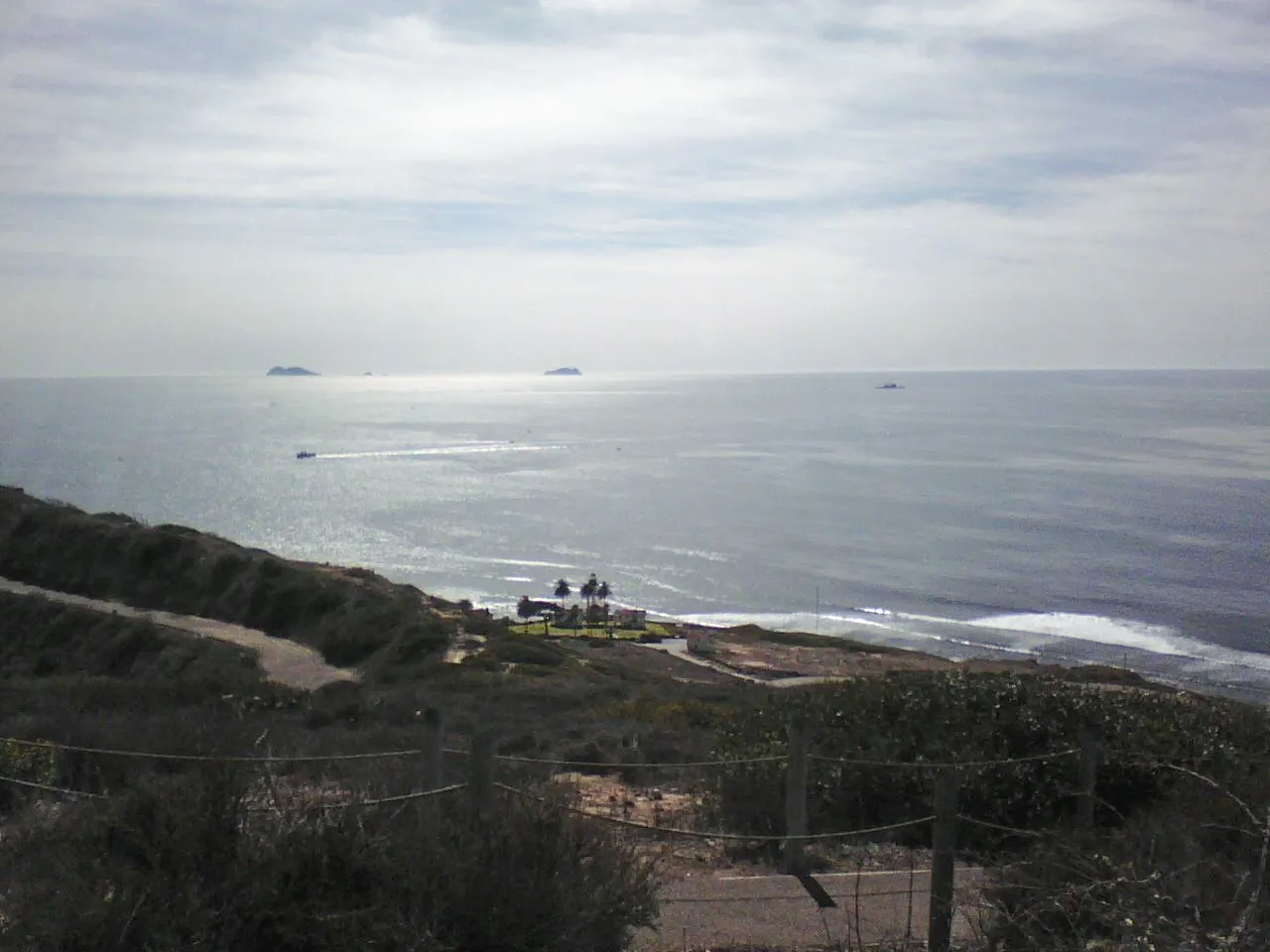
Ash scattering in San Diego
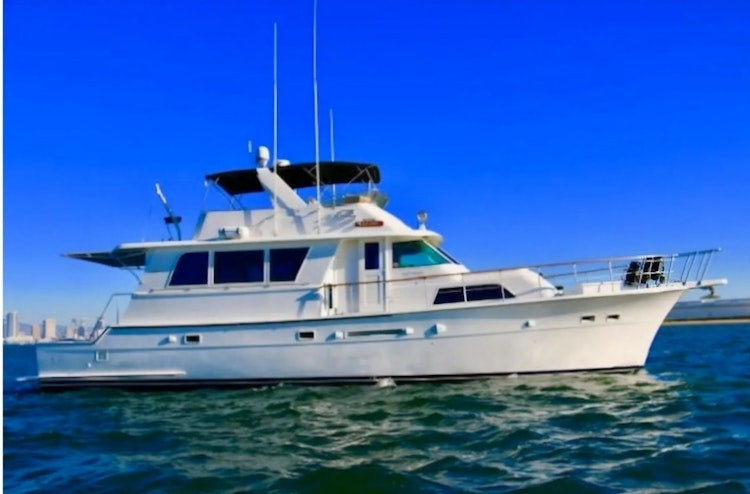
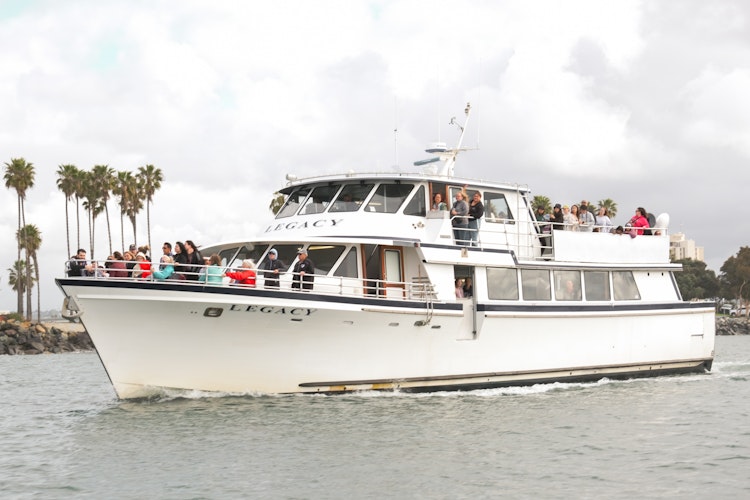
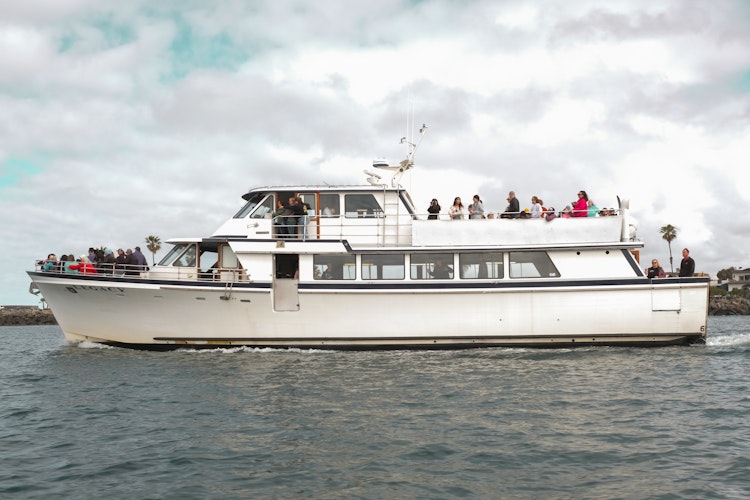
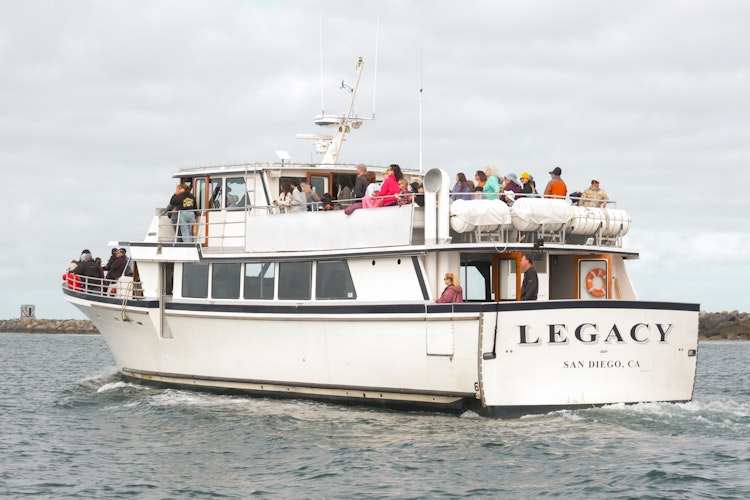
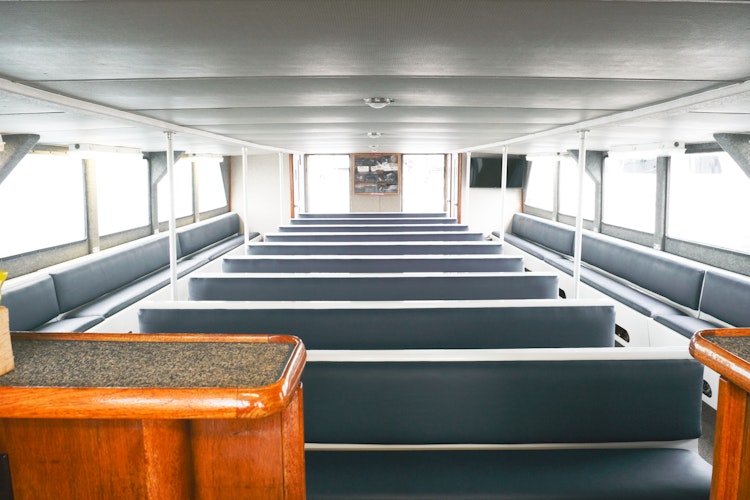
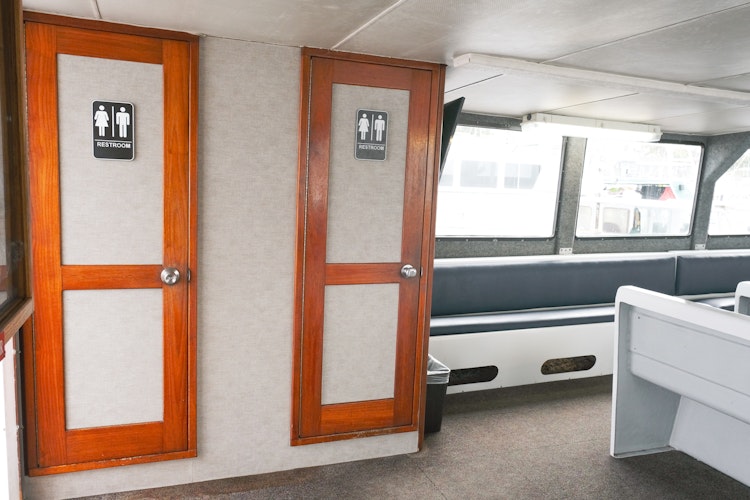
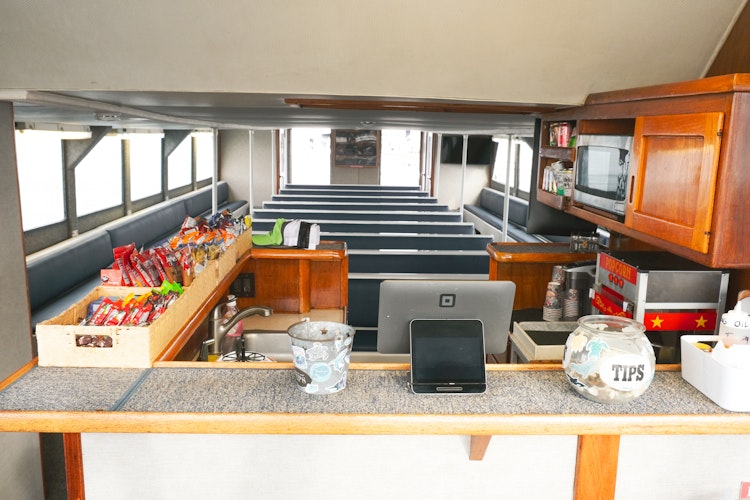
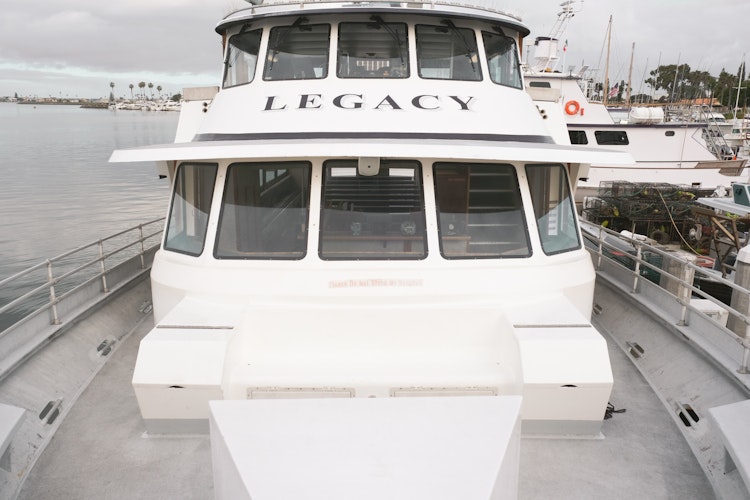
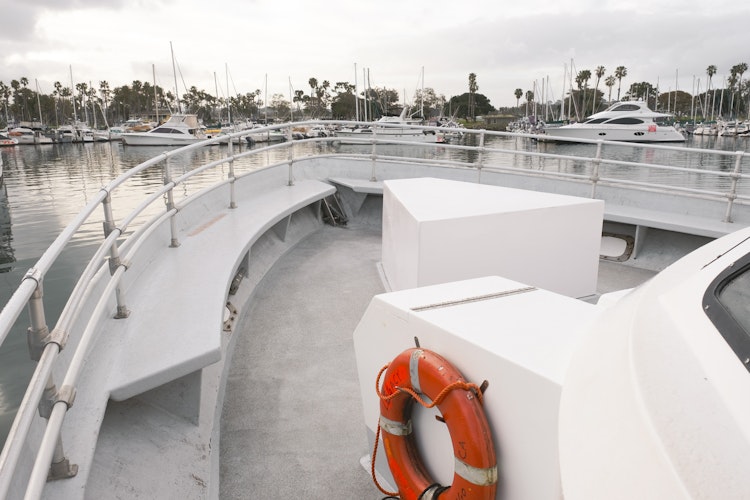
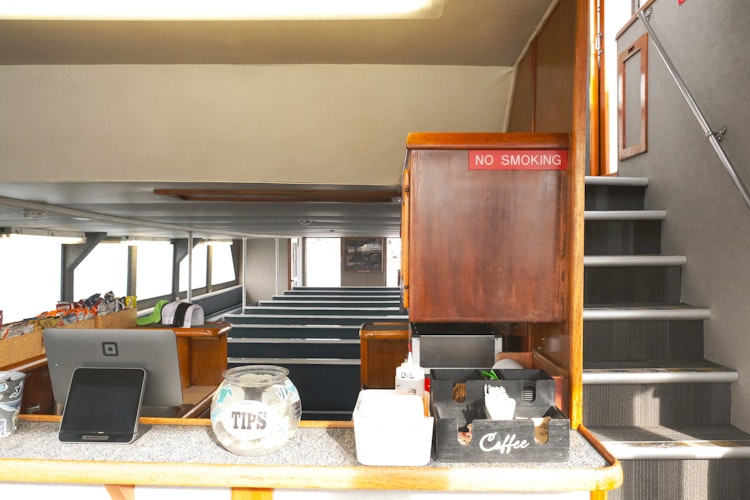
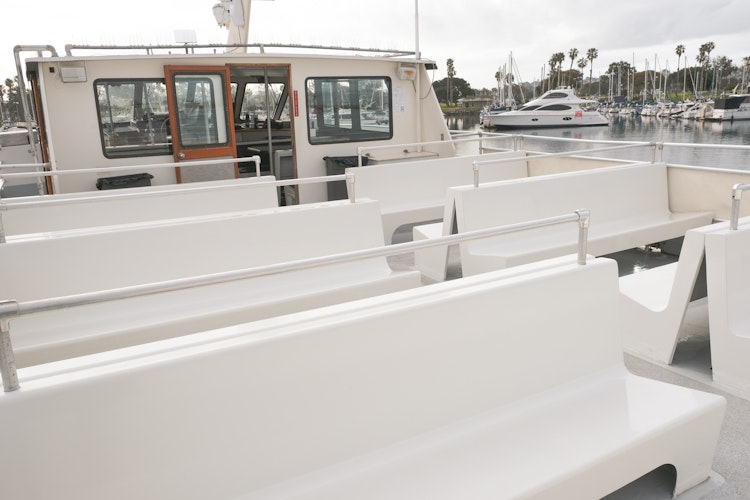
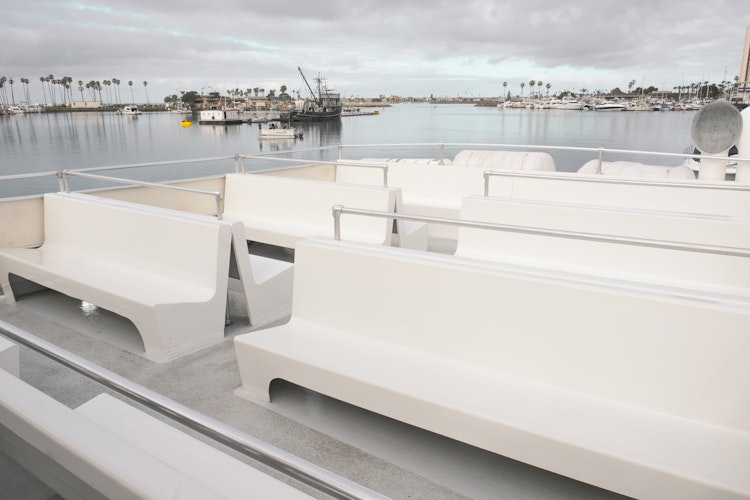
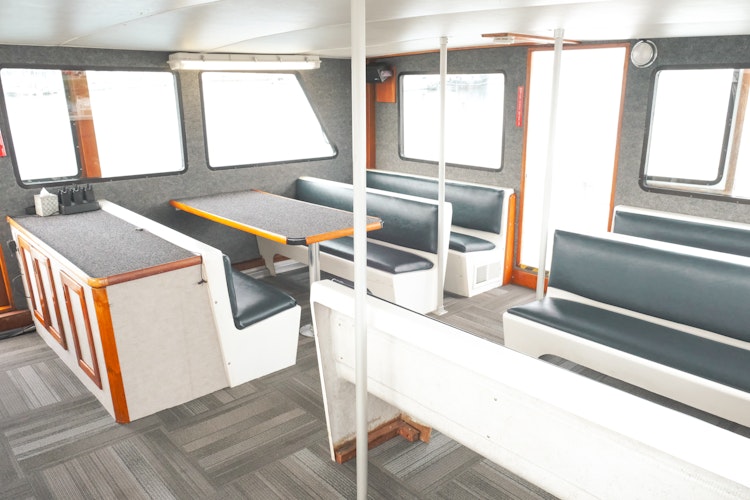
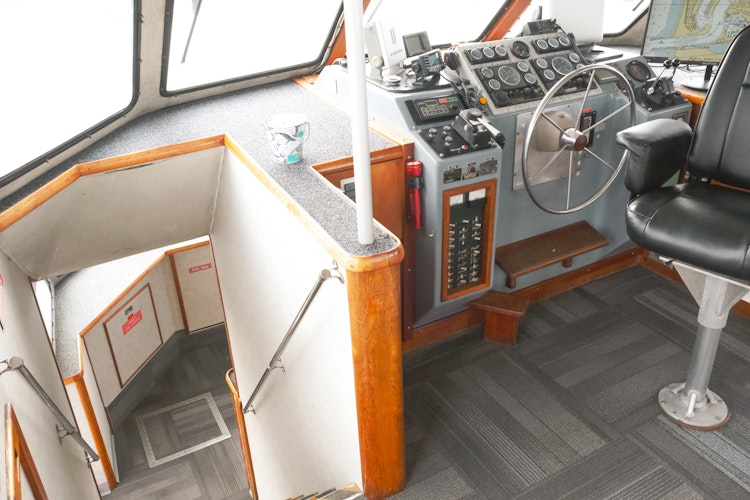
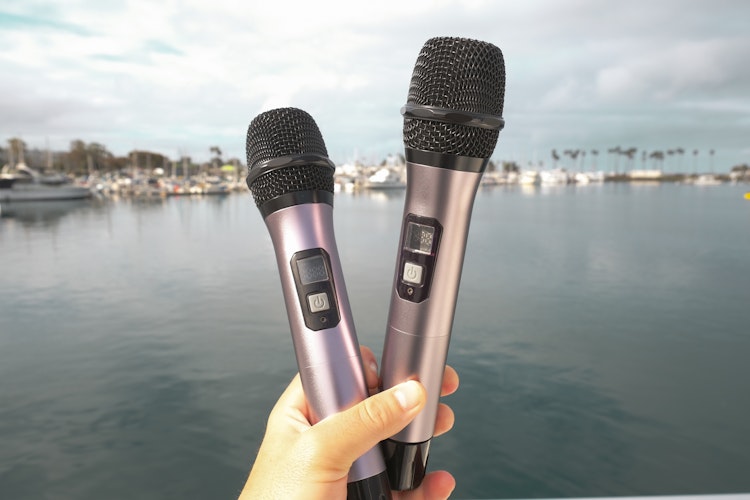
San Diego families can scatter at sea from boats leaving San Diego Bay or Oceanside, by plane along the coast, or inland with permission. A San Diego County disposition permit costs $12 (County of San Diego). On The Memorial Market, San Diego boat scatterings run from an unattended service at $295 to a private yacht for up to 105 guests at $3,000, and Oceanside sailing scatterings start at $1,195. For costs, rules and departure points, see burial at sea in San Diego; for local shops, our San Diego page; and for the state rules, scattering ashes in California.
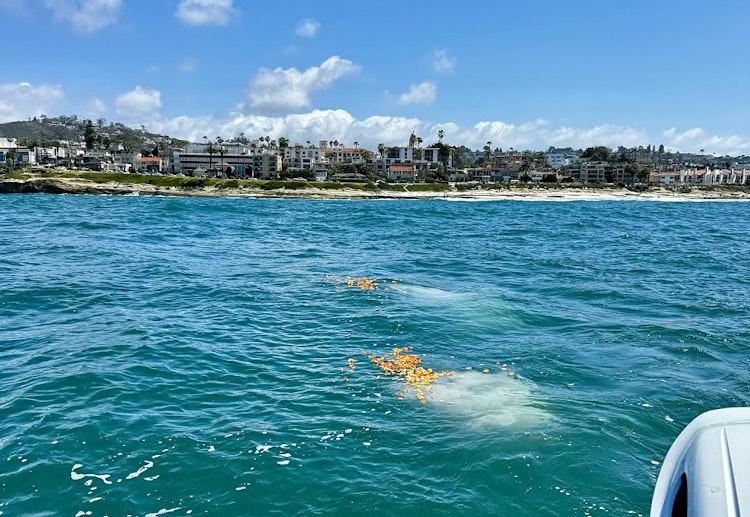
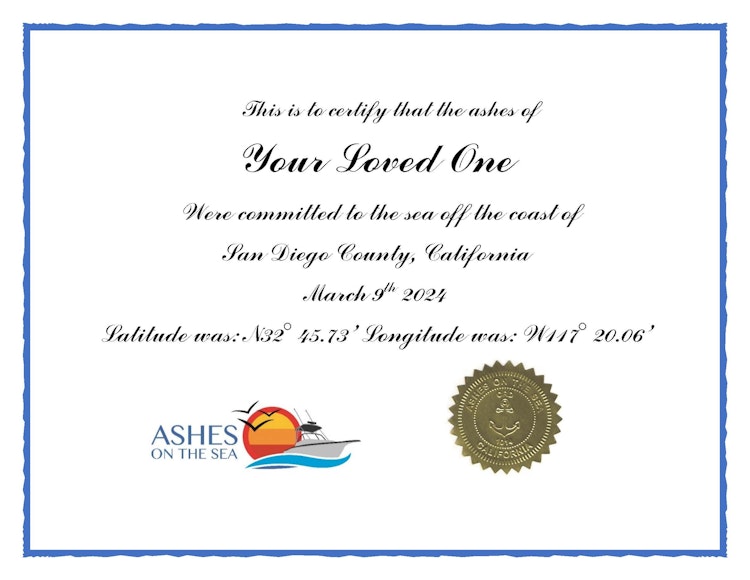

Los Angeles, Orange County, Palm Springs and Northern California
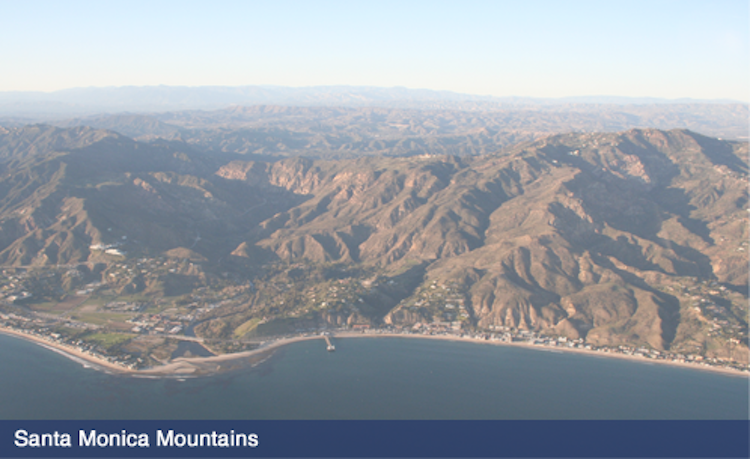
Around Los Angeles and Orange County, families sail from Newport Beach and Dana Point, or choose a memorial at sea off LA or OC. Aerial options cover the Santa Monica Mountains, the Santa Ana Mountains, Chino Hills State Park, the coast from Palos Verdes to Newport Beach, and Mt. San Jacinto above Palm Springs. Up north, scatterings depart Santa Cruz and San Francisco. Local guides: Los Angeles, San Francisco, Sacramento.
Traveling and shipping ashes to a scattering site
- Flying: TSA allows cremated remains in carry-on bags, but the container must X-ray clearly, so use wood, plastic or another light material. Officers will not open the container, even if you ask. Some airlines do not allow ashes in checked bags; check with yours (TSA).
- Mailing: within the U.S., cremated remains can only be shipped with USPS Priority Mail Express, packed as described in USPS Publication 139 (USPS). Many scattering services, including the Navy, ask families to ship this way.
- Dividing ashes: agree as a family before the day. In some states, such as Florida, dividing cremated remains requires the consent of the legally authorized person (Fla. Stat. § 497.607).
Frequently asked questions
Is it legal to scatter ashes anywhere?
No. It is legal in many places, but you need to follow the rules of whoever controls the land, water or air: federal rules at sea and in national parks, state rules for rivers, lakes and state lands, and the owner’s permission on private property.
Do you need a permit to scatter ashes?
Sometimes. National parks require a permit or a designated area. California requires a county Permit for Disposition that names scattering as the final disposition (San Diego County charges $12). At sea, no permit is needed beyond the EPA general permit, but you must report the scattering within 30 days.
Can you scatter ashes in a national park?
Only with a permit or in a designated area set by the park superintendent, under 36 CFR 2.62. Each park sets its own conditions; Joshua Tree charges $120 and assigns a location, and Grand Teton bars scattering within 100 yards of water and from aircraft.
Can you scatter ashes in the ocean from the beach?
Not legally as a burial at sea. Ocean scattering must be at least 3 nautical miles from land, and California prohibits scattering within 500 yards of the shoreline or from a bridge or pier. Hold a beach gathering, then scatter from a boat or plane.
Can you scatter ashes in a river or lake?
It depends on the state. Inland waters are regulated by states, not the federal burial-at-sea permit, and some states prohibit it. California excludes lakes and streams from its at-sea rule, so you need the governing agency’s written permission. See our state-by-state guide for details.
Can I scatter ashes on my own property?
Generally yes, unless a local rule prohibits it. In California the ashes must not be distinguishable to the public. Raking the ashes into a garden bed is a common way to honor someone at home.
Can you scatter ashes from a plane?
Yes. Federal rule 14 CFR 91.15 lets a pilot drop objects if reasonable precautions are taken so there is no hazard to people or property. Pilots release only the ashes, never the container, and need permission for the land below; over the ocean the 3-nautical-mile rule applies.
Is drone ash scattering legal?
Yes, if the operator does not drop anything in a way that creates an undue hazard to people or property (14 CFR 107.23) and has permission for the site. Some parks prohibit drones entirely.
How much does it cost to scatter ashes?
Doing it yourself on private land can cost nothing. In Southern California, an unattended scattering at sea typically costs $175 to $500 and a family-attended boat scattering $500 to $2,600. Aerial scattering, memorial flights and fireworks generally cost from several hundred to a few thousand dollars.
What is the best way to scatter ashes on a windy day?
Stand with the wind at your back, pour low and close to the ground or water, and keep guests upwind. At sea, a biodegradable water urn avoids wind entirely. Raking or trenching on land also keeps ashes from blowing.
Can you split ashes between family members?
Yes, many families keep a portion in keepsake urns or cremation jewelry and scatter the rest. Agree on it as a family first; in some states, such as Florida, dividing ashes requires the consent of the legally authorized person.
Can I fly with ashes to scatter them?
Yes. TSA allows cremated remains in carry-on bags if the container can be X-rayed clearly, such as wood or plastic. Officers will not open it. Check your airline before putting ashes in checked luggage.
What should I say when scattering ashes?
Something true to the person: a memory, their favorite saying, a poem, or a reading such as Ecclesiastes 3:1–2 or Christina Rossetti’s “Remember.” Many families let each person say one sentence before they scatter in turns.
General information, not legal advice. Laws and agency policies change; confirm with the agency, landowner or your provider before you go.
Sources
Every rule and price range above comes from these pages, checked November 16, 2026.
- U.S. EPA, Burial at Sea
- 40 CFR 229.1, Burial at sea (eCFR)
- 36 CFR 2.62, Memorialization (National Park Service, eCFR)
- Joshua Tree National Park, Scattering ashes
- Grand Teton National Park, Scattering of ashes permit
- California Health and Safety Code § 7116
- California Health and Safety Code § 7117
- California Cemetery and Funeral Bureau, Cremated Remains Disposers booklet
- California State Parks, Scattering ashes of loved ones in state parks
- County of San Diego, Burial (disposition) permits
- Texas Health and Safety Code § 716.302
- Florida Statutes § 497.607
- 14 CFR 91.15, Dropping objects (eCFR)
- 14 CFR 91.119, Minimum safe altitudes (eCFR)
- 14 CFR 107.23, Hazardous operation of small unmanned aircraft (eCFR)
- TSA, Cremated remains
- USPS Publication 139, How to package and ship cremated remains
- Farrington Mortuary, Southern California ash scattering and burial at sea costs