Scattering Ashes in Texas: Laws, Permits and Where You Can Scatter
Texas is one of the few states that spells out in its statutes where ashes may be scattered. The rules are short and generous: uninhabited public land, public waterways, the sea, and private land with the owner’s consent. Here is what the law says, what the parks add, and how to plan a Texas scattering.
By The Memorial Market Editorial Team · Updated · 7 min read
Quick answer
Yes, scattering ashes is legal in Texas. Health & Safety Code §716.304 lets you scatter over uninhabited public land, over a public waterway or sea, or on the private property of a consenting owner, and the ashes must come out of the container unless it is biodegradable. §716.302 adds that private-property scattering needs the owner’s written consent. National parks such as Big Bend and Padre Island require a permit, and in the Gulf the federal 3-nautical-mile rule applies.
Key facts
- Tex. Health & Safety Code §716.304: uninhabited public land, public waterways or sea, or private property with the owner’s consent.
- §716.302: private-property scattering needs the owner’s written consent, and the crematory gets a signed statement of the final disposition.
- Ashes must be removed from the container before scattering unless the container is biodegradable.
- Big Bend and Padre Island National Seashore require permits and set strict conditions.
- Gulf of Mexico: 3 nautical miles out, EPA Region 6 report within 30 days.
Texas scattering ashes laws at a glance
| Where | The rule | Source |
|---|---|---|
| Your own land | Allowed; you are the consenting owner | §716.304 |
| Someone else’s land | Owner’s written consent | §716.302 |
| Uninhabited public land | Allowed by statute; the managing agency can still set conditions | §716.304 |
| Public waterways (rivers, lakes) | Allowed by statute; remove ashes from the container unless biodegradable | §716.304 |
| Gulf of Mexico | Allowed; 3 nautical miles out, EPA report within 30 days | EPA |
| Big Bend National Park | Permit; fully dispersed, not within 100 yards of water, springs, archeological sites or developed areas | NPS |
| Padre Island National Seashore | Permit; not at Malaquite Beach, Bird Island Basin or sea turtle incubation sites | NPS |
| Texas state parks | No published statewide policy found; ask the park | Ask the park |
Is it legal to scatter ashes in Texas?
A person may scatter cremated remains over uninhabited public land, over a public waterway or sea, or on the private property of a consenting owner. Unless the container is biodegradable, the cremated remains must be removed from the container before being scattered.
Section 716.302 fills in the paperwork. The person who authorizes the cremation gives the crematory a signed written statement of the final disposition. The ashes may then go to a cemetery crypt, niche, grave or scattering area; be scattered over uninhabited public land, the sea or other public waterways under §716.304; or be placed on private property as directed by the authorizing agent with the written consent of the property owner (§716.302).
Scattering ashes in Texas national and state parks
- Big Bend National Park: scattering needs a permit and must be a small, private affair. Ashes must be pulverized and fully dispersed, not within 100 yards of any water, spring, archeological site or developed area, with no container, urn, flowers or markers left behind. Your request must include the date, time and location (NPS).
- Padre Island National Seashore: scattering is allowed under a permit, except at Malaquite Beach, Bird Island Basin and sea turtle incubation sites (compendium; permits).
- Guadalupe Mountains and other federal sites set their own conditions under 36 CFR 2.62; check the park’s permits page.
- Texas state parks: we did not find a current, published statewide policy from Texas Parks and Wildlife. Call the park before you go, and ask where a quiet, out-of-the-way spot is acceptable.
Rivers, lakes and the Texas coast
Texas is unusual: its statute names public waterways as lawful places to scatter, so a quiet spot on a public river or lake is allowed under state law (§716.304). Use the ashes alone or a biodegradable urn, choose a spot away from swimmers and boat ramps, and remember that the agency or river authority that manages the shoreline can set its own rules for access. Bays such as Galveston Bay and Corpus Christi Bay are inland waters for federal purposes, so the EPA ocean permit only begins 3 nautical miles out in the Gulf.
Scattering ashes at sea from Texas
A sea scattering from Texas means a boat out of a Gulf port such as Galveston, Port Aransas, Corpus Christi or South Padre Island. The federal general permit governs the Gulf the same way it governs the Pacific and Atlantic. There is no Navy burial at sea port in Texas; the nearest are Norfolk, Jacksonville and San Diego.
- Distance: at least 3 nautical miles from land under the EPA general permit (40 CFR 229.1).
- Report: whoever scatters reports it to the EPA within 30 days. Texas reports go to EPA Region 6 (South Central) (EPA).
- What can go in: the ashes, a biodegradable urn and loose natural flowers. No plastic, metal or synthetic wreaths.
- No application ahead of time: the general permit covers every lawful burial at sea; you just follow it and report.
Planning a ceremony on the water? Our burial at sea guide covers costs, boats and water urns, and our burial at sea prayers and readings has words to read when the ashes go in.
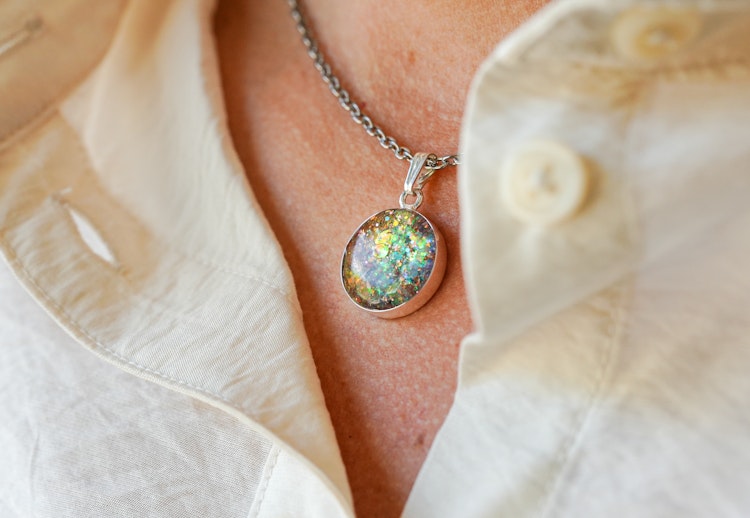
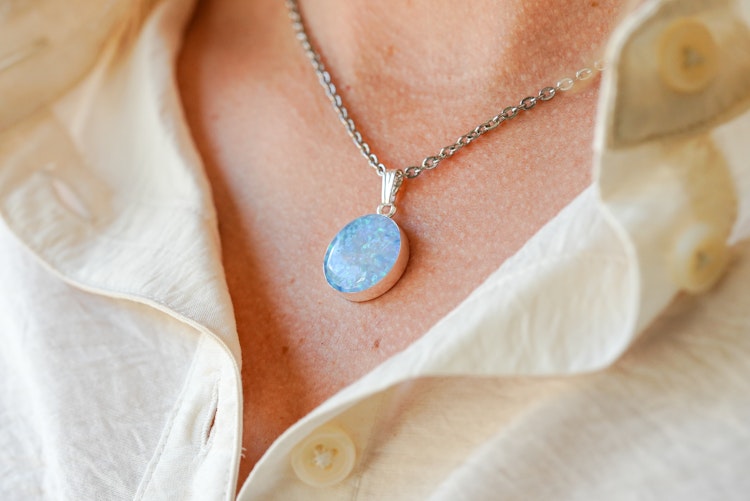
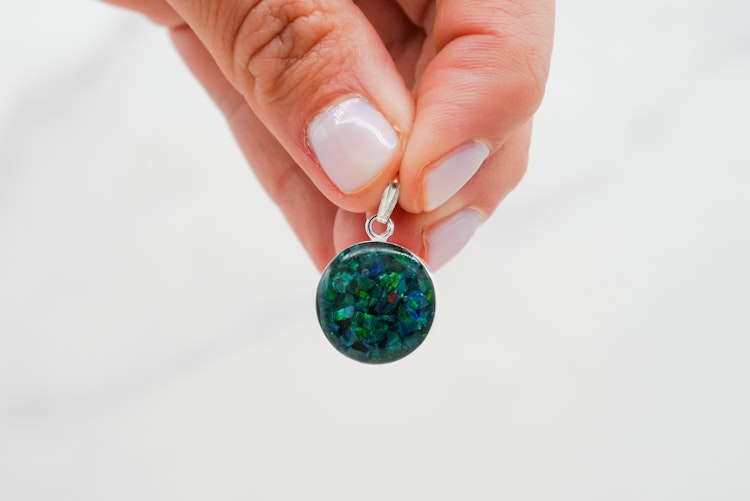
Ash scattering services and keepsakes for Texas families
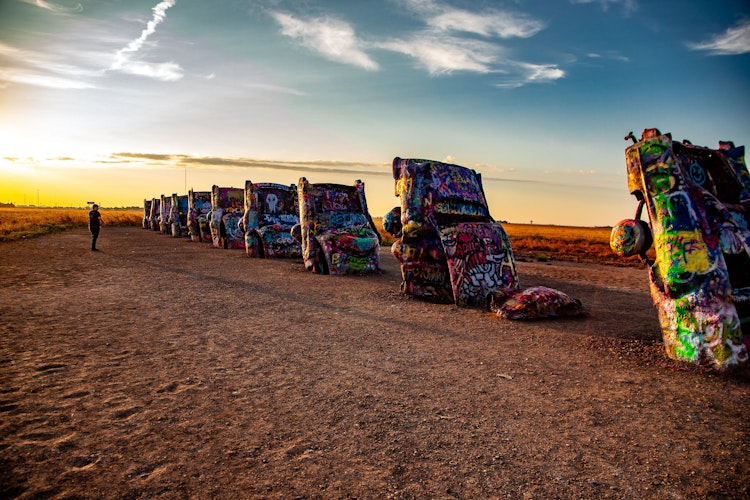
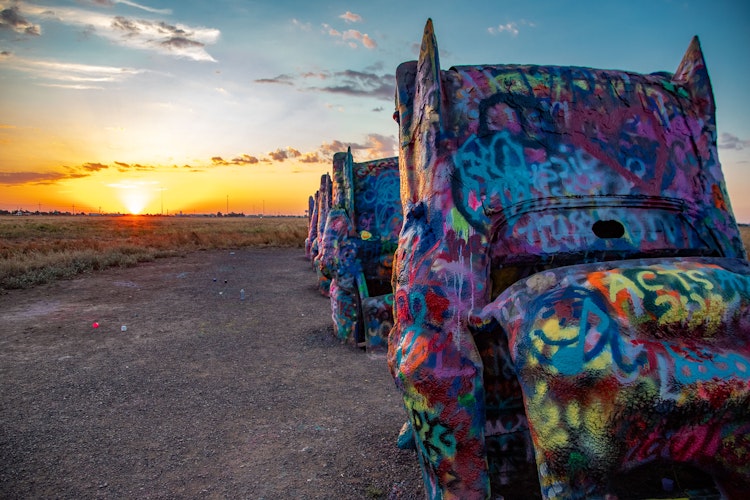
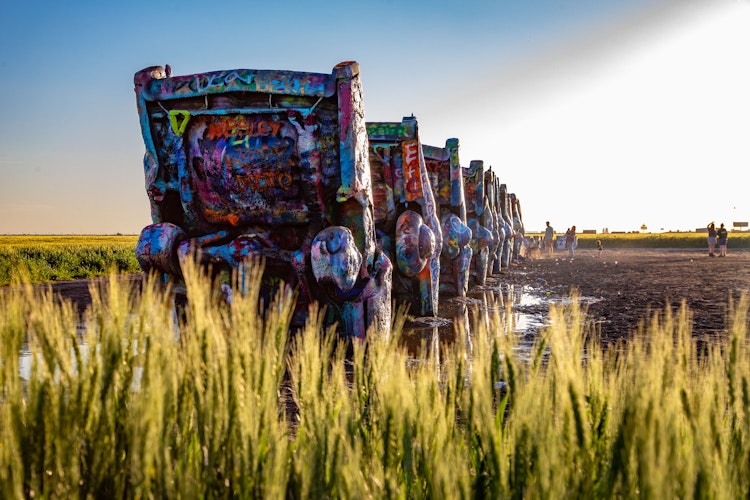
On The Memorial Market, Texas families can book a one-of-a-kind scattering memorial at Cadillac Ranch outside Amarillo, or choose a handmade Texas longhorn urn for the portion they keep.





How to plan a scattering in Texas, step by step
Confirm who decides
The person with the legal right to control disposition (usually the named agent, spouse or next of kin) makes the call. If relatives disagree, settle it before anything is scattered.
Pick the place and ask
Use the table above. Get permission from the landowner or the agency in writing where the rules call for it, and carry it with you.
Check permits
National parks, some state parks and some cities issue permits or set conditions. Ask a few weeks ahead.
Prepare the ashes
Remove them from any non-biodegradable container. Use a scattering urn or tube, or a biodegradable water urn at sea.
Keep a portion if you like
Many families set aside a spoonful for cremation jewelry or a small keepsake urn before the scattering.
Report sea scatterings
If you scatter in the ocean yourself, report it to the EPA within 30 days. Licensed boat services usually do this for you.
Choosing how to scatter? See the ten ways to scatter ashes, from casting and trenching to boats, planes and fireworks, and our ceremony ideas.
Scattering ashes laws in other states
- Scattering ashes in California
- Scattering ashes in Florida
- Scattering ashes in New York
- Scattering ashes in Washington
- Scattering ashes in Hawaii
- Scattering ashes in Oregon
- Scattering ashes in Arizona
- Scattering ashes in Alaska
- Scattering ashes in Nevada
- Scattering ashes in Colorado
- Scattering ashes in Massachusetts
- Scattering ashes in North Carolina
- Scattering ashes in New Jersey
- Scattering ashes in Georgia
- Scattering ashes in Pennsylvania
- Scattering ashes in Michigan
- Scattering ashes in Tennessee
- Scattering ashes in Alabama
Compare every state in one table on our scattering ashes laws by state page.
Frequently asked questions
Is it legal to scatter ashes in Texas?
Yes. Texas Health & Safety Code §716.304 allows scattering over uninhabited public land, over a public waterway or sea, or on the private property of a consenting owner. Remove the ashes from the container unless it is biodegradable.
Can you scatter ashes on private property in Texas?
Yes, with the property owner’s written consent (§716.302). On your own land, you are the consenting owner.
Can you scatter ashes in a Texas river or lake?
Yes. Texas law names public waterways as lawful places to scatter. The agency or authority that manages the shoreline may still set access rules, so pick a quiet spot away from swimmers.
Can you scatter ashes in Texas state parks?
We did not find a published statewide Texas Parks and Wildlife policy. Call the park before you go and ask where a quiet scattering is acceptable.
Can you scatter ashes at Big Bend National Park?
Yes, with a permit. It must be a small private affair, ashes fully dispersed, at least 100 yards from water, springs, archeological sites and developed areas, with no container, flowers or markers left.
Can you scatter ashes on Padre Island?
In Padre Island National Seashore, yes, with a permit, but not at Malaquite Beach, Bird Island Basin or sea turtle incubation sites.
How far out do you have to go to scatter ashes in the Gulf?
At least 3 nautical miles from land under the EPA general permit, with a report to EPA Region 6 within 30 days.
Can you scatter ashes at Cadillac Ranch?
Cadillac Ranch sits on private ranch land outside Amarillo, so Texas law requires the owner’s written consent. The Memorial Market lists a Cadillac Ranch scattering memorial; ask the provider how permission is handled when you book.
General information, not legal advice. Laws and agency policies change; confirm with the agency, landowner or your provider before you go.
Sources
Every rule and price range above comes from these pages, checked November 16, 2026.
- Texas Health & Safety Code §716.302, Disposition of cremated remains (Justia)
- Texas Health & Safety Code §716.304, Scattering remains
- Big Bend National Park, Special use permits
- Padre Island National Seashore, Superintendent’s compendium
- Padre Island National Seashore, Special use permits
- U.S. EPA, Burial at Sea (general permit and FAQ)
- 40 C.F.R. 229.1, Burial at sea general permit
- 36 C.F.R. 2.62, Memorialization in national parks