Scattering Ashes in California: Laws, Permits and Where You Can Scatter
California has some of the most detailed scattering laws in the country. Families can scatter ashes on land, in inland waters and at sea, but each place comes with its own rule: written permission on land, distance and a 10-day filing at sea, and permits in parks. Here is the whole picture, with the statute or agency behind every rule.
By The Memorial Market Editorial Team · Updated · 8 min read
Quick answer
Yes, scattering ashes is legal in California. On land you need written permission from the property owner or governing agency and no local ban (Health & Safety Code §7116). At sea, ashes must be scattered at least 500 yards from shore, not from a bridge or pier, and the permit holder files a statement with the county registrar within 10 days (§7117). In the ocean, the federal rule also applies: 3 nautical miles out, reported to the EPA within 30 days. State parks require a permit.
Key facts
- On land: written permission from the owner or governing agency, no local prohibition, and ashes not distinguishable to the public (HSC §7116).
- At sea: 500 yards from shore, no bridges or piers, and a filing with the county registrar within 10 days (HSC §7117).
- Ocean: 3 nautical miles from land and a 30-day EPA report under the federal general permit.
- People who scatter for others must register with the Cemetery and Funeral Bureau; families scattering 10 or fewer a year are exempt.
- State parks: permit required, and no scattering on trails, in day-use areas or on beaches.
California scattering ashes laws at a glance
| Where | The rule | Source |
|---|---|---|
| Your own land | Allowed with no local ban; keep a note of permission | HSC §7116 |
| Someone else’s land | Written permission from the owner | HSC §7116 |
| Lakes and streams | Excluded from the at-sea rule; ask the governing agency for written permission (the agency may say no) | HSC §7117(c); §7116 |
| At sea by boat or plane (includes bays and navigable rivers, not lakes or streams) | 500+ yards from shore, not from a bridge or pier, county filing within 10 days | HSC §7117 |
| Ocean (federal) | 3 nautical miles out, EPA report within 30 days | EPA |
| California state parks | Permit required; not on trails, day-use areas or beaches | CA State Parks |
| Golden Gate NRA | Groups of 25 or fewer, no permit; not Muir Woods, Fort Point or Alcatraz | NPS |
| Joshua Tree National Park | Special Use Permit, $120 fee, assigned location | NPS |
Is it legal to scatter ashes in California?
Yes. Two sections of the Health and Safety Code cover it. Section 7116 allows scattering “in areas where no local prohibition exists” with written permission from the property owner or governing agency, and the ashes must be removed from their container so they are not distinguishable to the public (HSC §7116). Section 7117 covers scattering at sea from a boat or aircraft (HSC §7117).
California also licenses the people who scatter for others. A cremated remains disposer must register with the Cemetery and Funeral Bureau, but the person with the right to control disposition, or that person’s designee, is exempt as long as they scatter no more than 10 sets of remains a year (CFB booklet). So a family scattering a loved one’s ashes needs no license.
Scattering ashes on land and in California parks
- Private land: written permission from the owner. On your own land, write yourself a short note of permission and keep it with the paperwork (HSC §7116).
- State parks: a permit is required. Scattering is not allowed on trails, in day-use areas or on beaches, and violations can bring a fine of up to $500 and/or six months in jail. Contact the park’s district office to apply (California State Parks).
- Golden Gate National Recreation Area: groups of 25 or fewer may scatter without a permit, except at Muir Woods, Fort Point and Alcatraz (NPS).
- Joshua Tree National Park: a Special Use Permit applied for at least two weeks ahead, a $120 fee, a two-hour window and one assigned location; nothing may be left behind, not even flowers (NPS).
- Other national parks (Yosemite, Sequoia and Kings Canyon, Death Valley, Redwood and more) each set their own conditions under 36 CFR 2.62. Check the park’s permits page before you go.
Cities and counties can add their own bans, so ask the parks department before scattering in a city park or on a public beach. On beaches the at-sea rules also bite: §7117 requires 500 yards from shore, so scattering from the sand into the surf is not the same as a lawful sea scattering.
Scattering ashes in California rivers and lakes
California’s at-sea law counts the state’s inland navigable waters (such as navigable rivers, bays and the Delta) as “at sea,” so a boat scattering there follows the 500-yard and 10-day filing rules. It expressly excludes lakes and streams (HSC §7117(c)). For a lake or stream, the general rule of §7116 is the path: written permission from the property owner or governing agency, no local prohibition, and ashes not in a container or distinguishable to the public (HSC §7116). Agencies that manage drinking-water reservoirs may say no, so ask before you plan.
Scattering ashes at sea from California
California adds its own rules to the federal ones. Under §7117 the ashes must be removed from their container unless a scattering urn that dissolves within four hours is used, scattering must be at least 500 yards from shore, and it can’t be done from a bridge or pier. Within 10 days, the person who scattered must file a verified statement with the local registrar in the county nearest the scattering point (HSC §7117; CFB booklet). Licensed boat services handle the filing and the EPA report for you.
California’s busiest ports for memorial boats are San Diego, Oceanside, Dana Point, Newport Beach, Los Angeles, Santa Cruz and San Francisco. City guides: burial at sea in San Diego, Los Angeles and Orange County and San Francisco and Santa Cruz.
- Distance: at least 3 nautical miles from land under the EPA general permit (40 CFR 229.1).
- Report: whoever scatters reports it to the EPA within 30 days. California reports go to EPA Region 9 (Pacific Southwest) (EPA).
- What can go in: the ashes, a biodegradable urn and loose natural flowers. No plastic, metal or synthetic wreaths.
- No application ahead of time: the general permit covers every lawful burial at sea; you just follow it and report.
Veterans: the U.S. Navy commits the ashes of eligible veterans and their dependents at sea from Navy ships. The nearest Navy port of embarkation is San Diego (Naval Medical Center San Diego, Decedent Affairs); the family does not attend (Navy; see our Navy burial at sea guide).
Planning a ceremony on the water? Our burial at sea guide covers costs, boats and water urns, and our burial at sea prayers and readings has words to read when the ashes go in.
Ash scattering services and keepsakes for California families
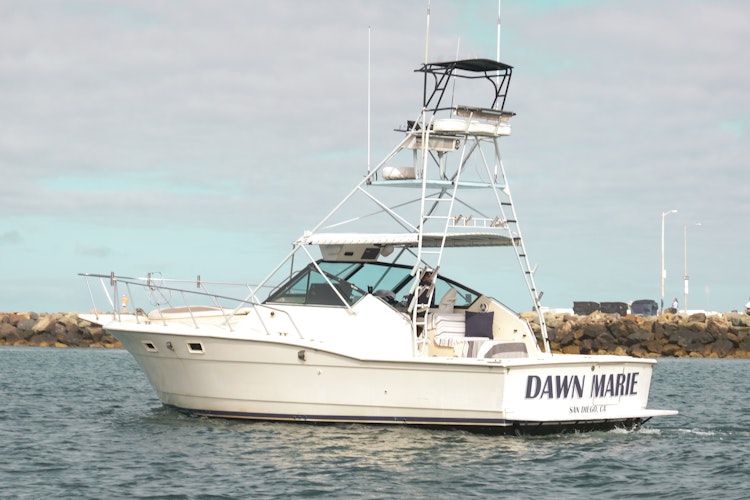
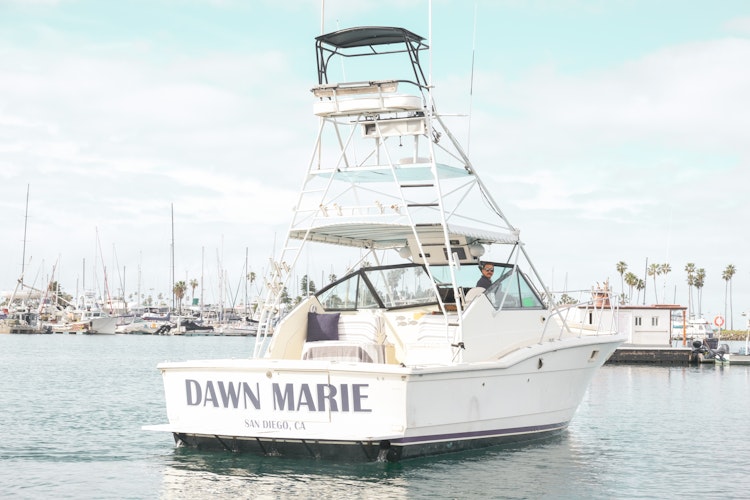
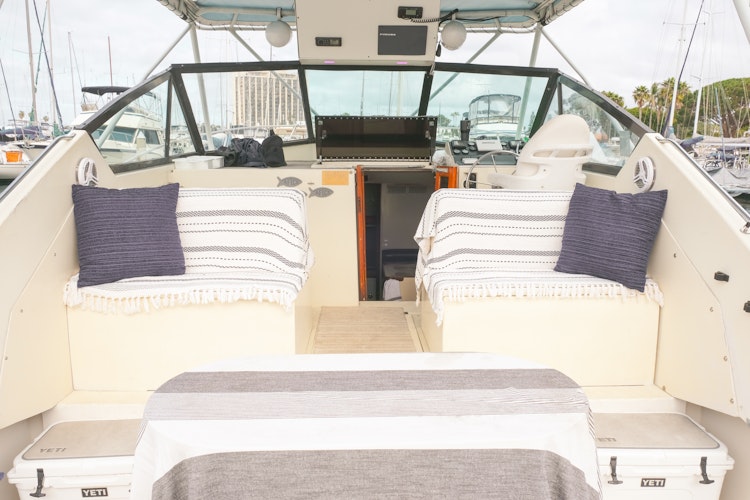
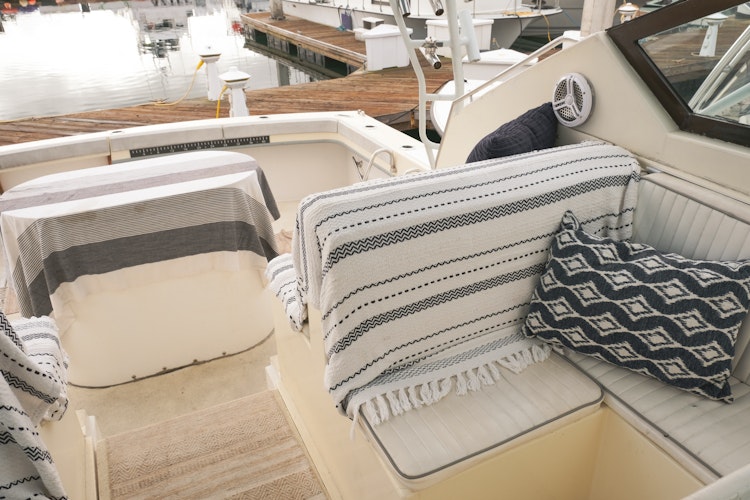
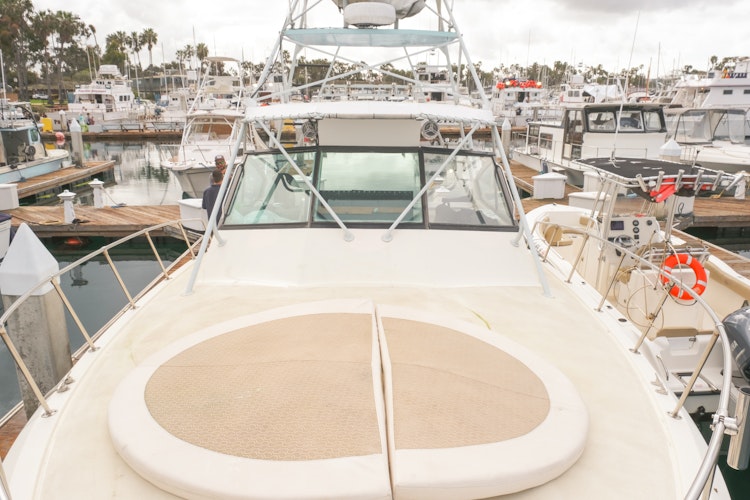
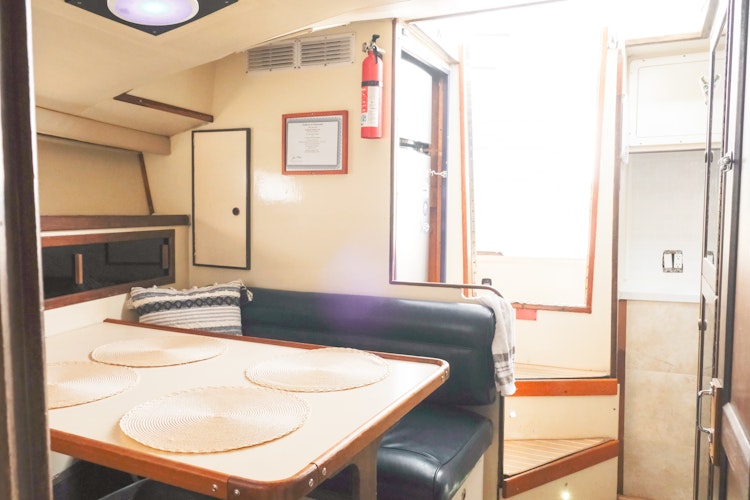
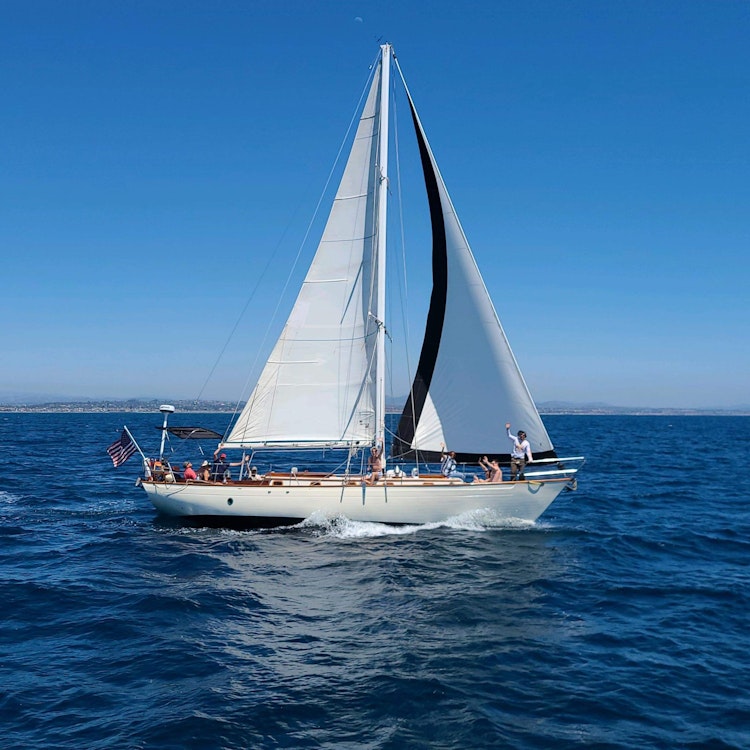
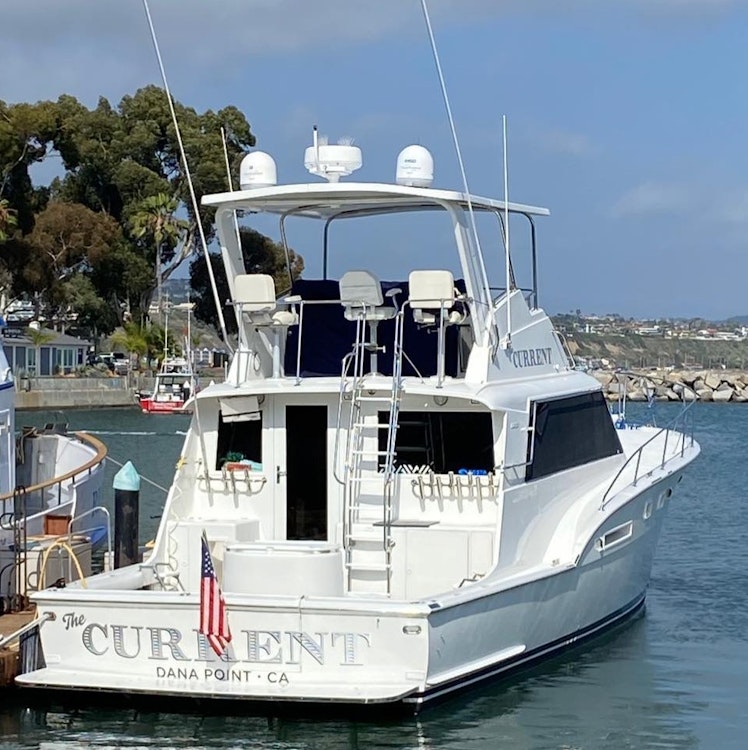
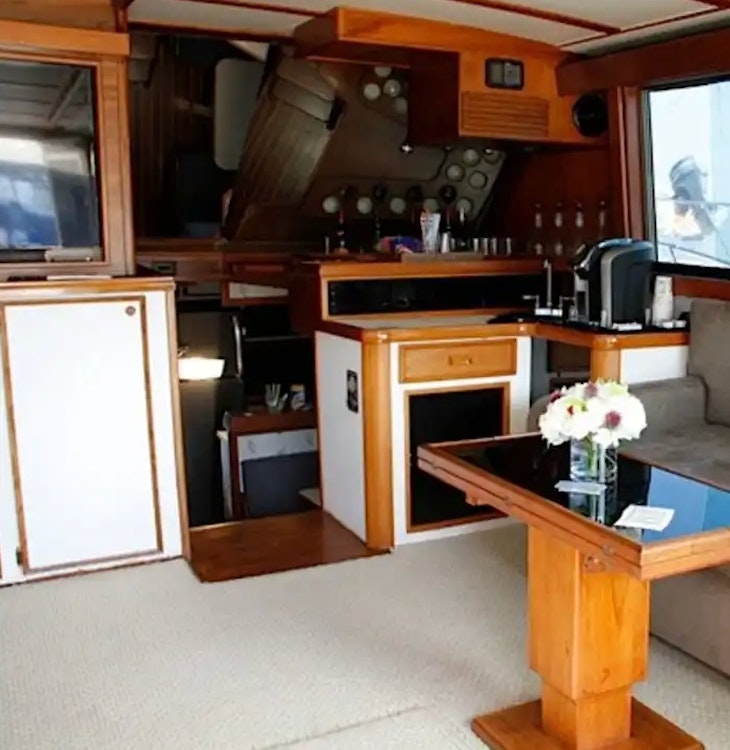
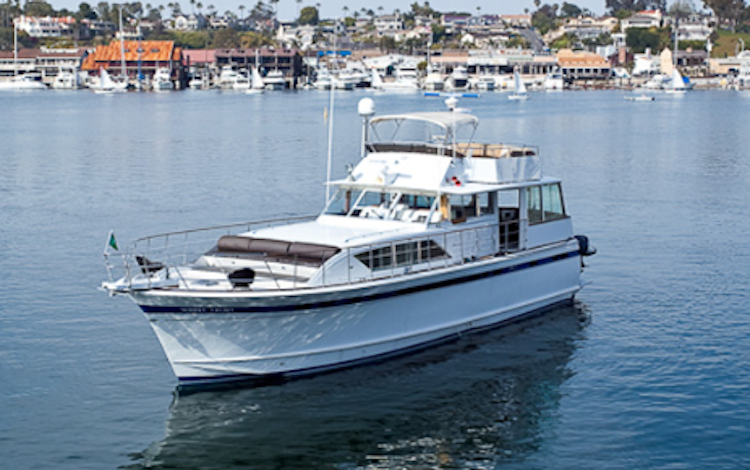
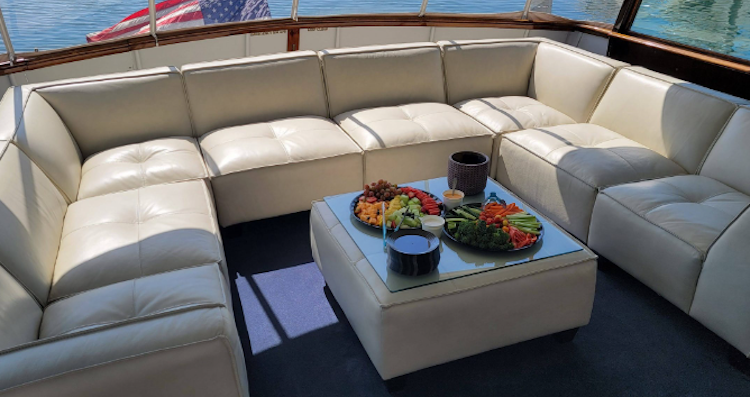
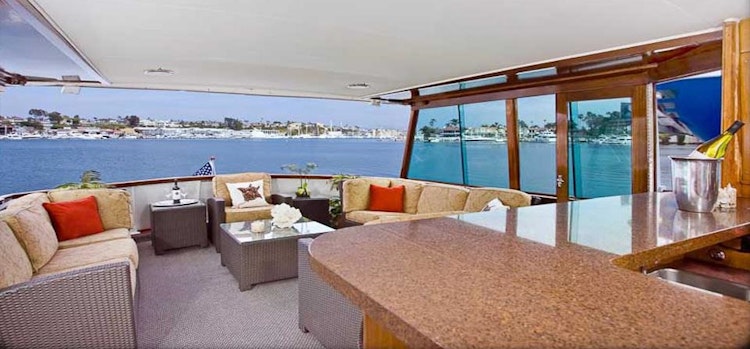
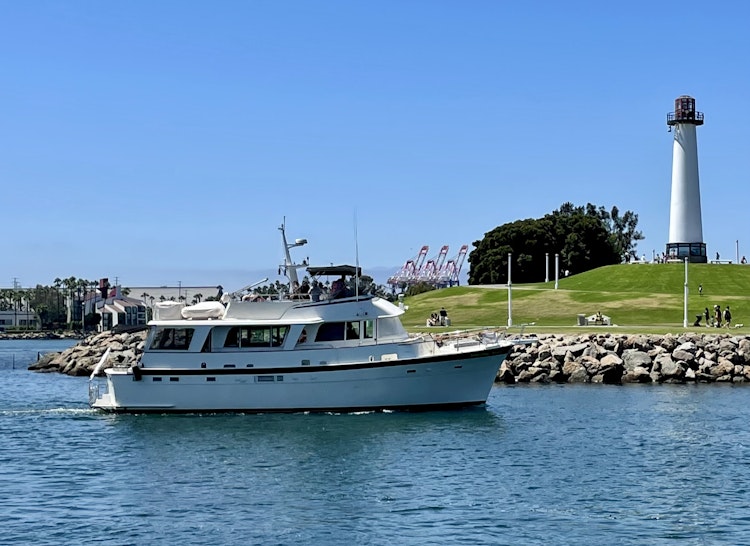
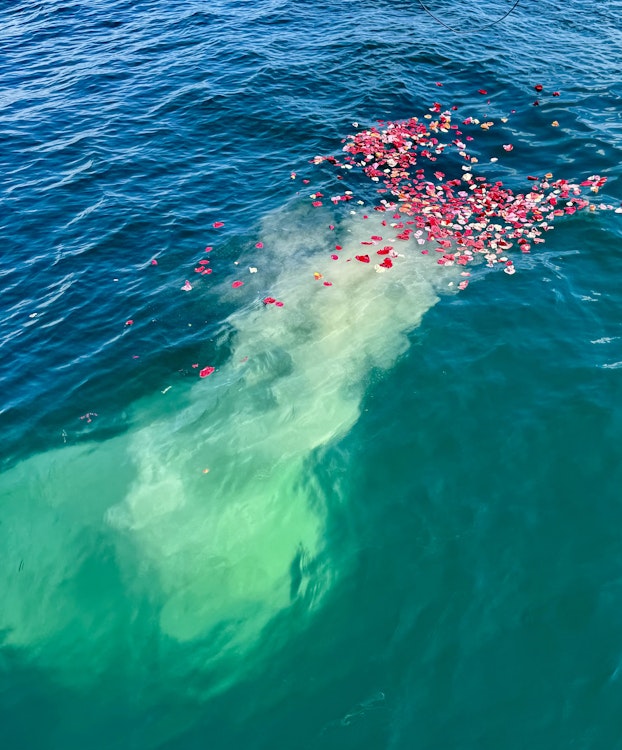
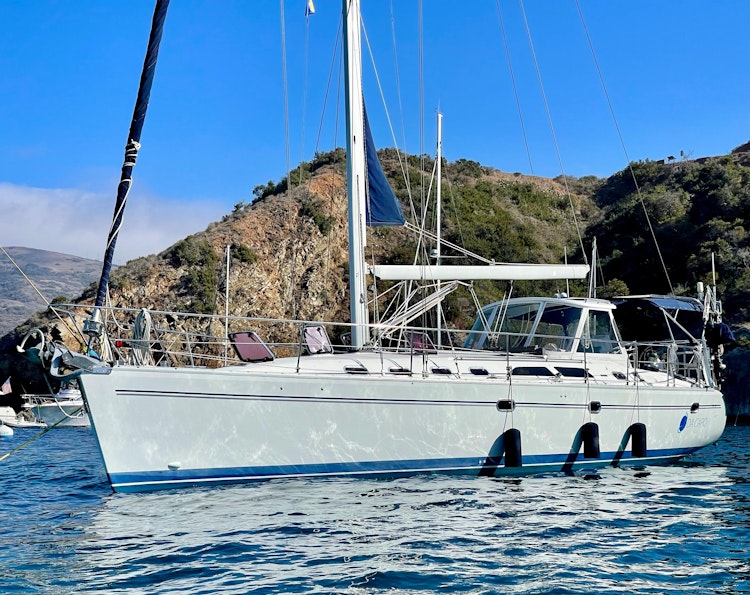
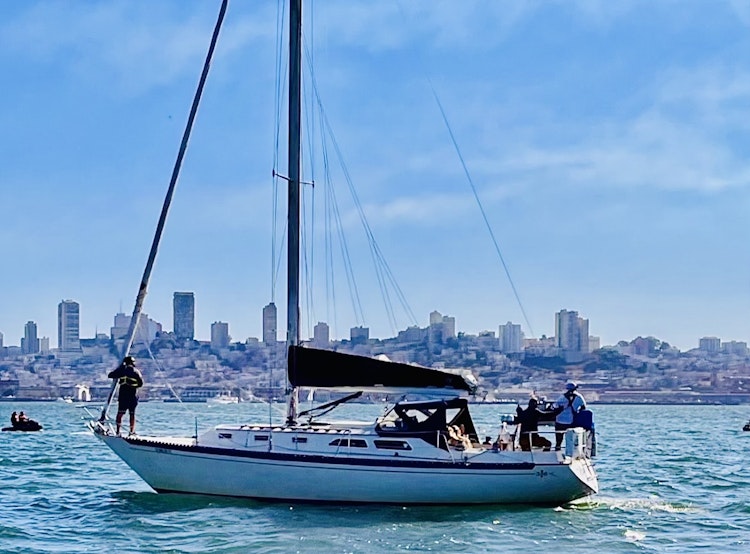
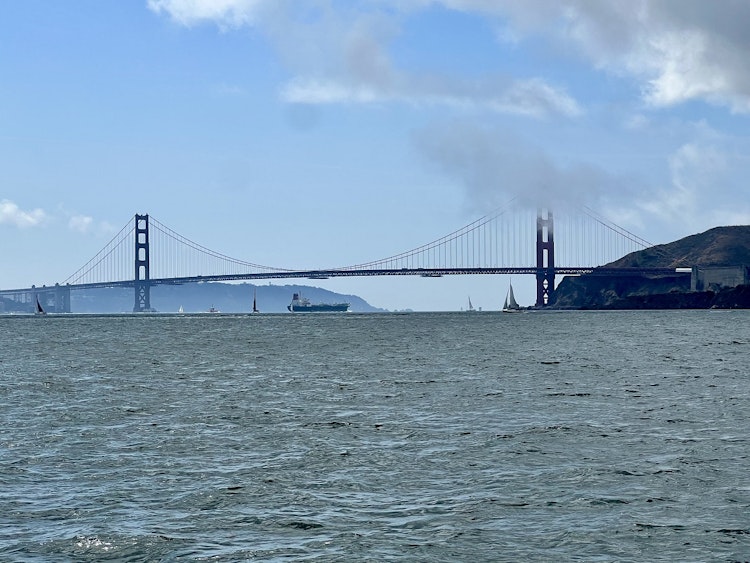
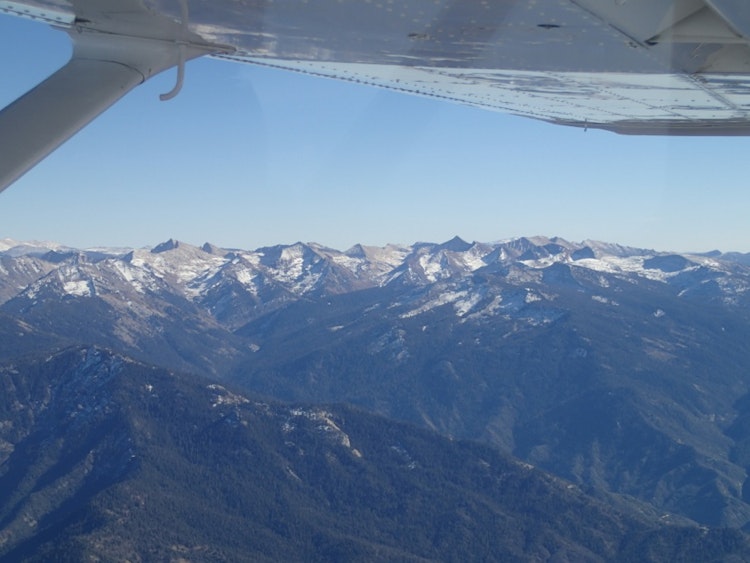
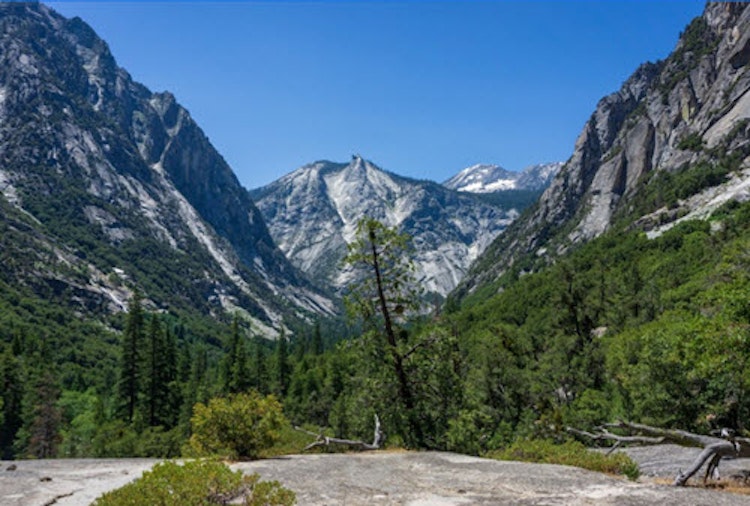
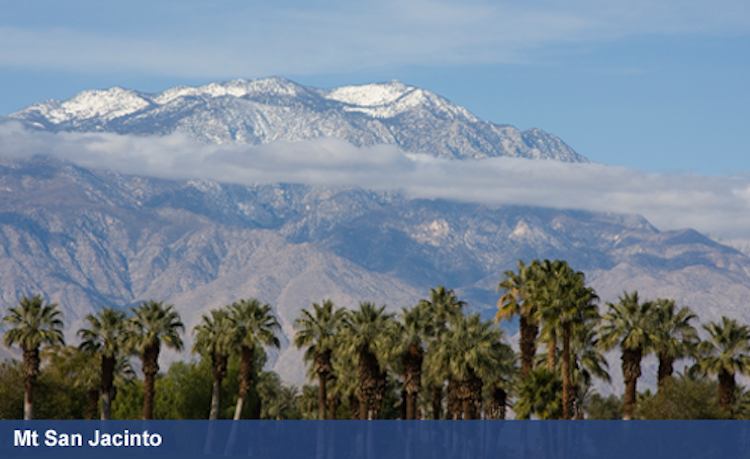
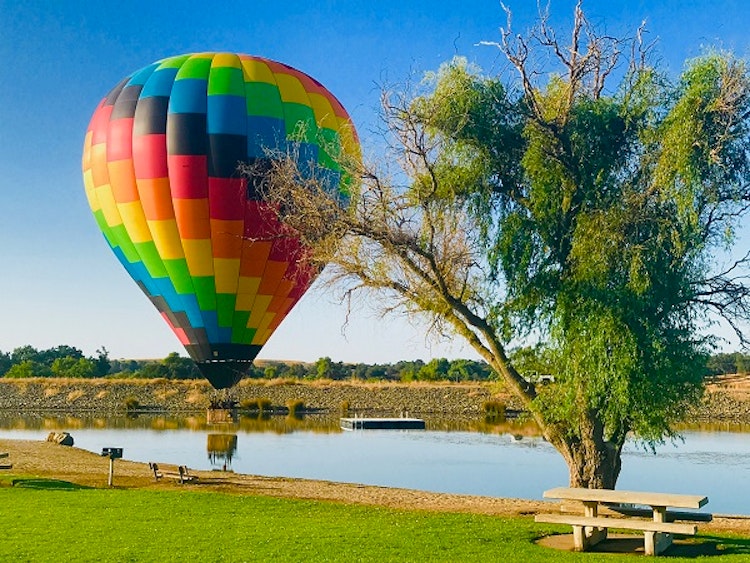
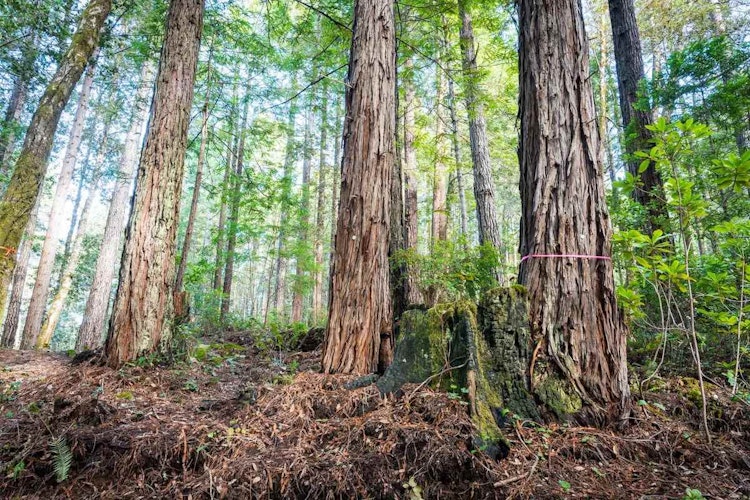
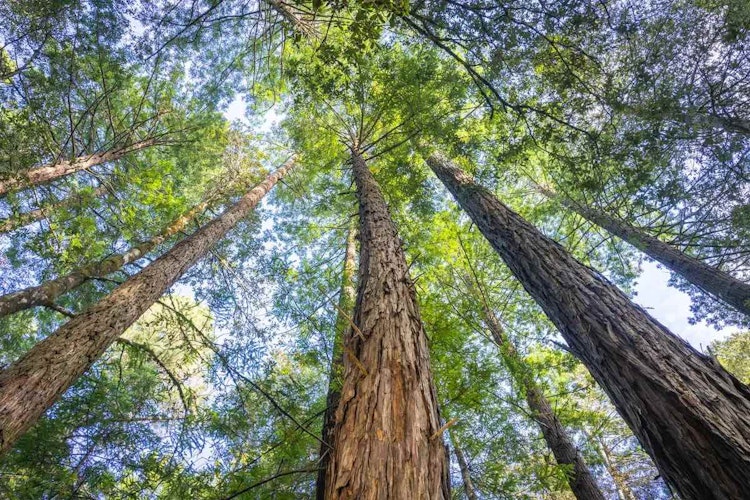
California has more ash scattering services on The Memorial Market than any other state: boats from San Diego to San Francisco, planes over the Sierra and the coast, and a hot-air balloon near Sacramento. Each listing shows live prices and handles the paperwork.

How to plan a scattering in California, step by step
Confirm who decides
The person with the legal right to control disposition (usually the named agent, spouse or next of kin) makes the call. If relatives disagree, settle it before anything is scattered.
Pick the place and ask
Use the table above. Get permission from the landowner or the agency in writing where the rules call for it, and carry it with you.
Check permits
National parks, some state parks and some cities issue permits or set conditions. Ask a few weeks ahead.
Prepare the ashes
Remove them from any non-biodegradable container. Use a scattering urn or tube, or a biodegradable water urn at sea.
Keep a portion if you like
Many families set aside a spoonful for cremation jewelry or a small keepsake urn before the scattering.
Report sea scatterings
If you scatter in the ocean yourself, report it to the EPA within 30 days. Licensed boat services usually do this for you.
Choosing how to scatter? See the ten ways to scatter ashes, from casting and trenching to boats, planes and fireworks, and our ceremony ideas.
Scattering ashes laws in other states
- Scattering ashes in Florida
- Scattering ashes in Texas
- Scattering ashes in New York
- Scattering ashes in Washington
- Scattering ashes in Hawaii
- Scattering ashes in Oregon
- Scattering ashes in Arizona
- Scattering ashes in Alaska
- Scattering ashes in Nevada
- Scattering ashes in Colorado
- Scattering ashes in Massachusetts
- Scattering ashes in North Carolina
- Scattering ashes in New Jersey
- Scattering ashes in Georgia
- Scattering ashes in Pennsylvania
- Scattering ashes in Michigan
- Scattering ashes in Tennessee
- Scattering ashes in Alabama
Compare every state in one table on our scattering ashes laws by state page.
Frequently asked questions
Is it legal to scatter ashes in California?
Yes. On land you need written permission from the owner or governing agency and no local ban (HSC §7116). At sea you must be at least 500 yards from shore, not on a bridge or pier, and file a statement with the county within 10 days (HSC §7117).
Do I need a permit to scatter ashes in California?
A disposition permit is issued for every cremation, and the funeral home handles it. For a sea scattering, the permit is endorsed through the county registrar within 10 days. State parks require their own scattering permit, and some national parks do too.
How far offshore do you have to scatter ashes in California?
State law says at least 500 yards from shore. In the ocean, the federal EPA permit requires at least 3 nautical miles from land, so ocean boats go 3 nautical miles out.
Can you scatter ashes on a California beach?
Not in state parks: California State Parks doesn’t allow scattering on beaches. Elsewhere you would need written permission from the city or agency, and sea scattering must be 500 yards from shore by boat or plane, so most families charter a boat.
Can I scatter ashes in a California state park?
Yes, with a permit from the park’s district office. Not on trails, in day-use areas or on beaches. Violations can bring a fine of up to $500 and/or six months in jail.
Can you scatter ashes in Yosemite or Joshua Tree?
National parks require a permit or published conditions under 36 CFR 2.62. Joshua Tree issues a Special Use Permit for $120 with an assigned location. Check Yosemite’s permits page for its current process.
Can you scatter ashes from the Golden Gate Bridge?
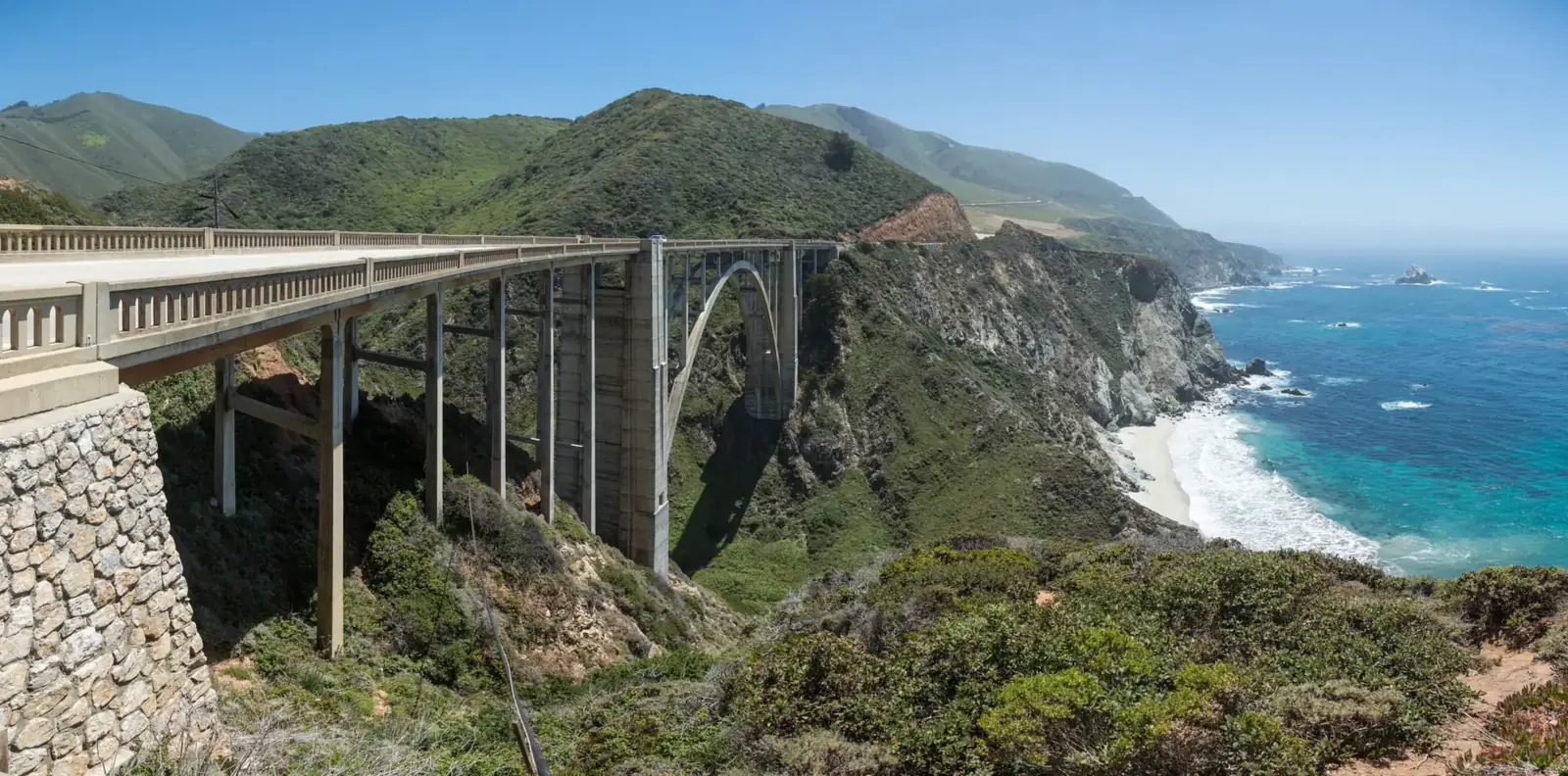
No. California law prohibits scattering at sea from a bridge or pier. Boats go out under the bridge and beyond instead.
Can I scatter ashes in a California lake or river?
Navigable rivers and bays count as “at sea” under HSC §7117, so the 500-yard and 10-day filing rules apply. Lakes and streams are excluded from that rule, so you need written permission from the property owner or governing agency under §7116, and the agency may say no.
Do I need a license to scatter my parent’s ashes in California?
No. The person with the right to control disposition, or their designee, is exempt from the cremated remains disposer registration as long as they scatter no more than 10 sets of remains a year.
How much does it cost to scatter ashes at sea in California?
A Southern California mortuary puts unattended ash scattering at sea at roughly $175–$500 and attended scatterings at about $500–$2,600. Live prices for every California boat on The Memorial Market are in our burial at sea guide and our San Diego guide.
General information, not legal advice. Laws and agency policies change; confirm with the agency, landowner or your provider before you go.
Sources
Every rule and price range above comes from these pages, checked November 16, 2026.
- California Health & Safety Code §7116
- California Health & Safety Code §7117
- Cemetery and Funeral Bureau, Cremated Remains Disposers Booklet
- California State Parks, Scattering of cremated remains
- Golden Gate National Recreation Area, Special park uses
- Joshua Tree National Park, Scattering ashes
- Farrington Mortuary, Southern California burial at sea costs
- U.S. EPA, Burial at Sea (general permit and FAQ)
- 40 C.F.R. 229.1, Burial at sea general permit
- 36 C.F.R. 2.62, Memorialization in national parks
- U.S. Navy, Burial at Sea program (MyNavy HR)