Scattering Ashes in Hawaii: Laws, Permits and Where You Can Scatter
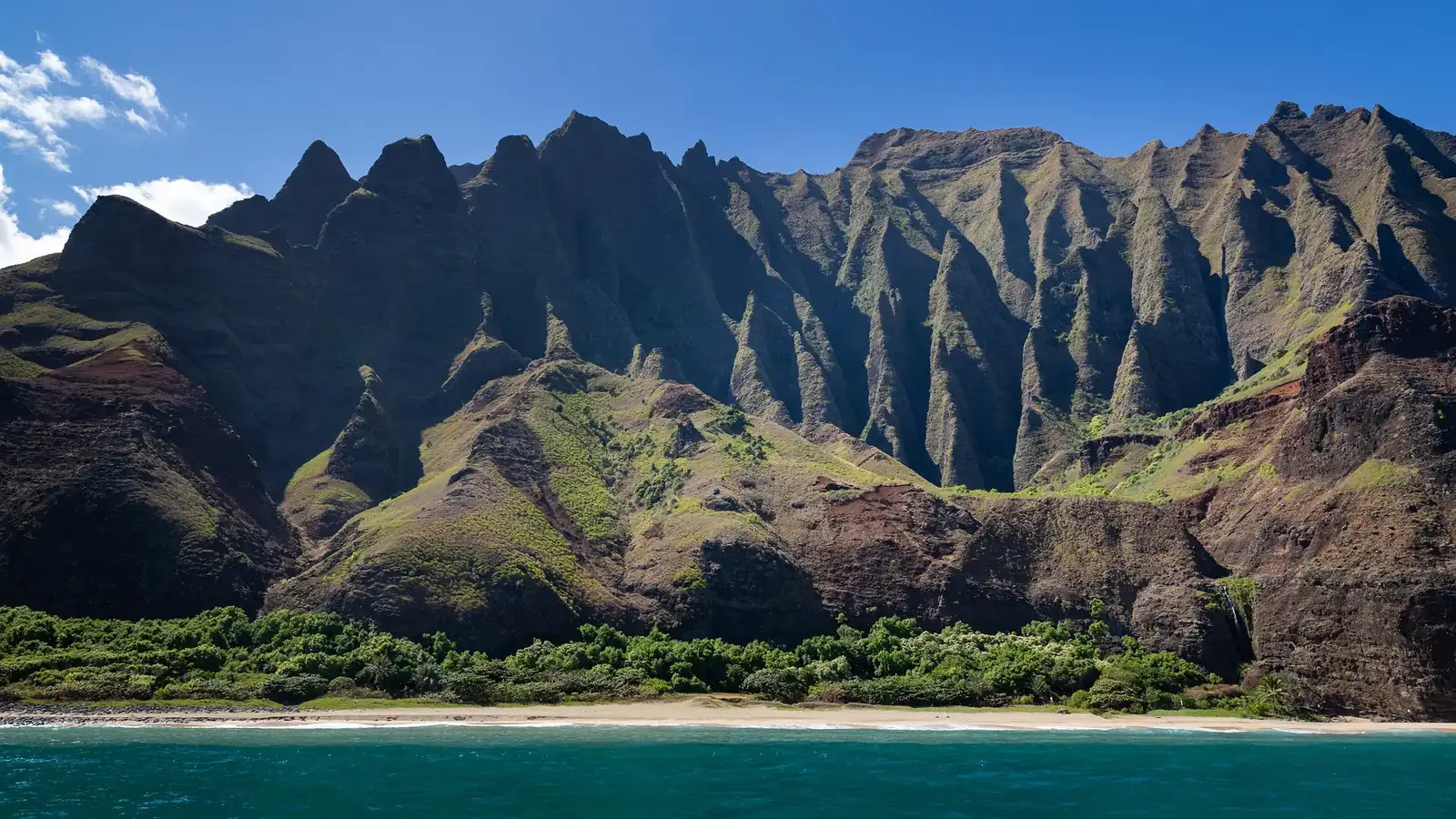
For many families, Hawaii means returning someone to the ocean with lei and flowers. The state leaves scattering largely to respect and common sense, while federal rules govern the ocean and the national parks. Here is what applies, from the beach to the open Pacific.
By The Memorial Market Editorial Team · Updated · 6 min read
Quick answer
Yes, scattering ashes is legal in Hawaii. We found no Hawaii statute that limits where ashes may be scattered, and a state spokesperson has said no state permit is required. On private land, ask the owner. In the ocean, the federal rule applies: at least 3 nautical miles from land, with an EPA report within 30 days, and only materials that break down, so remove the string from lei. Haleakalā and Hawaiʻi Volcanoes national parks require a permit.
Key facts
- No Hawaii statute limits where ashes may be scattered; a 2014 DLNR statement said no state permit is required.
- Ocean: 3 nautical miles from every piece of land, including small islets; EPA Region 9 report within 30 days.
- Lei and flowers must break down; remove lei strings before placing them in the water.
- Haleakalā and Hawaiʻi Volcanoes national parks treat scattering as a special use that needs a permit.
- Navy burial at sea for eligible veterans is coordinated in Honolulu.
Hawaii scattering ashes laws at a glance
| Where | The rule | Source |
|---|---|---|
| Private land | Owner’s permission | Star-Advertiser (DLNR) |
| Ocean | 3 nautical miles from all land; EPA report within 30 days | EPA |
| Humpback whale sanctuary waters | Discharge rule targets activities without a required permit; follow the EPA permit | 15 CFR 922.184 |
| Haleakalā National Park | Special use permit | NPS |
| Hawaiʻi Volcanoes National Park | Special use permit | NPS |
| State parks and beaches | No published DLNR policy found; ask the park | Ask the park |
Is it legal to scatter ashes in Hawaii?
Yes. We found no Hawaii statute that limits where ashes may be scattered. In a 2014 Honolulu Star-Advertiser column, a Department of Land and Natural Resources spokesperson said neither DLNR nor the Department of Health regulates scattering, so no state permit is needed; families should get the owner’s permission on private property and be considerate of others (Star-Advertiser). That is a newspaper report rather than a regulation, so confirm with the agency for the place you choose. The Department of Health permit required before cremation (HRS §338-23) is handled by the funeral home (HRS ch. 338).
Ocean ceremonies, lei and flowers
Under the EPA permit, only materials that break down readily in the ocean may go in with the ashes. The same DLNR guidance asks families to remove the string from a lei before placing it in the water, to protect marine life (Star-Advertiser). Loose petals, ti leaves and flower lei without string are ideal.
Measure the 3 nautical miles from every piece of land, including small islets, because some inter-island channels are narrow. Much of the nearshore water is also inside the Hawaiian Islands Humpback Whale National Marine Sanctuary; its discharge rule targets activities done without a required permit, so a scattering that follows the EPA permit appears to be fine there (15 CFR 922.184).
Paddle-out ceremonies from the beach are a beloved island tradition for honoring someone. Placing the ashes themselves in the water close to shore is not covered by the federal ocean permit, so many families hold the paddle-out with flowers and take the ashes offshore by boat.
National and state parks in Hawaii
- Haleakalā National Park (Maui): scattering ashes is a special use that needs a permit (NPS).
- Hawaiʻi Volcanoes National Park (Big Island): scattering ashes is a special use that needs a permit; contact the park well ahead (NPS).
- State parks and beaches: we did not find a published DLNR State Parks policy. Ask the park before planning a ceremony on state land, and be mindful of cultural sites.
Scattering ashes at sea from Hawaii
If you charter a boat, ask the captain to confirm the route reaches 3 nautical miles from all land, including offshore islets, before the ceremony begins.
- Distance: at least 3 nautical miles from land under the EPA general permit (40 CFR 229.1).
- Report: whoever scatters reports it to the EPA within 30 days. Hawaii reports go to EPA Region 9 (Pacific Southwest) (EPA).
- What can go in: the ashes, a biodegradable urn and loose natural flowers. No plastic, metal or synthetic wreaths.
- No application ahead of time: the general permit covers every lawful burial at sea; you just follow it and report.
Veterans: the U.S. Navy commits the ashes of eligible veterans and their dependents at sea from Navy ships. The nearest Navy port of embarkation is Honolulu, HI (Navy Liaison Unit, Tripler Army Medical Center); the family does not attend (Navy; see our Navy burial at sea guide).
Planning a ceremony on the water? Our burial at sea guide covers costs, boats and water urns, and our burial at sea prayers and readings has words to read when the ashes go in.
Ash scattering services and keepsakes for Hawaii families
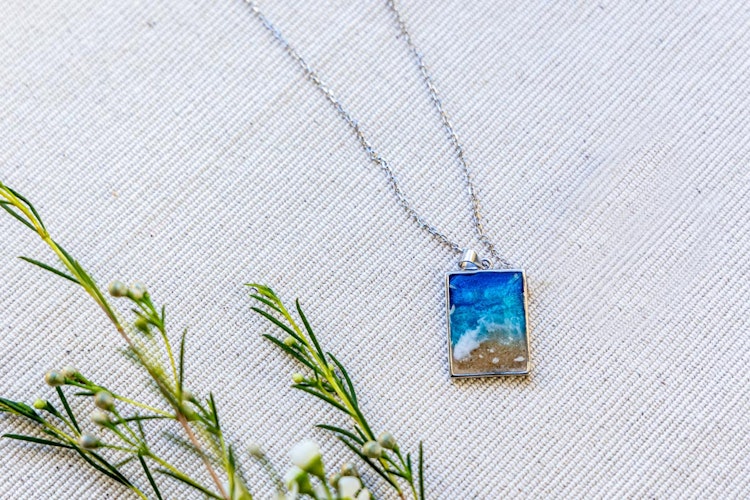
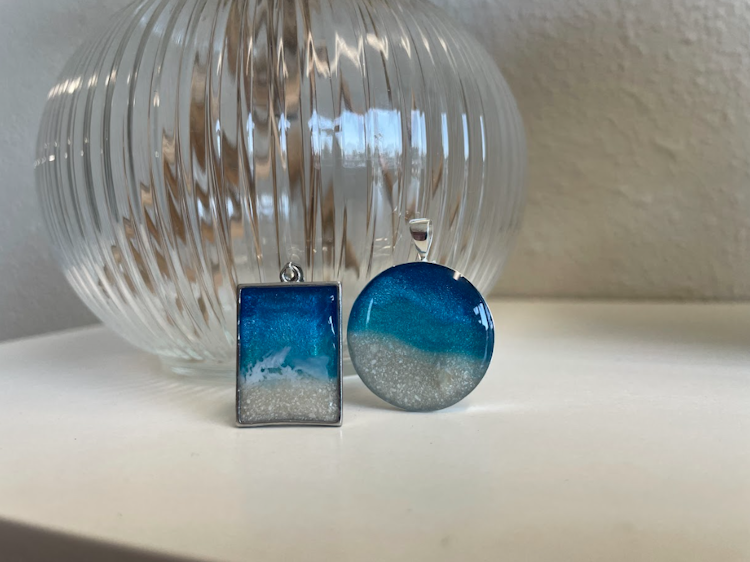
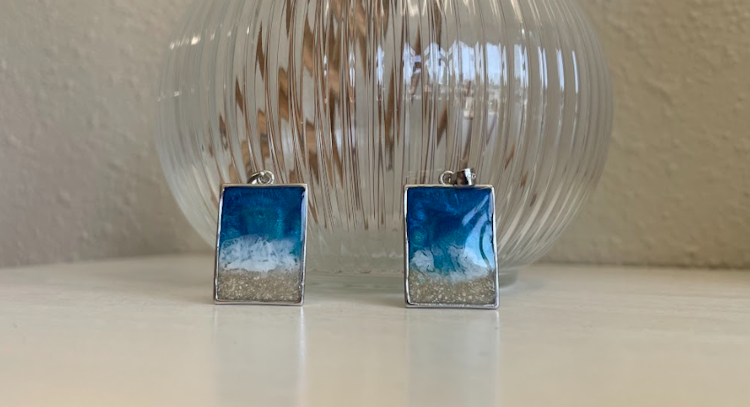
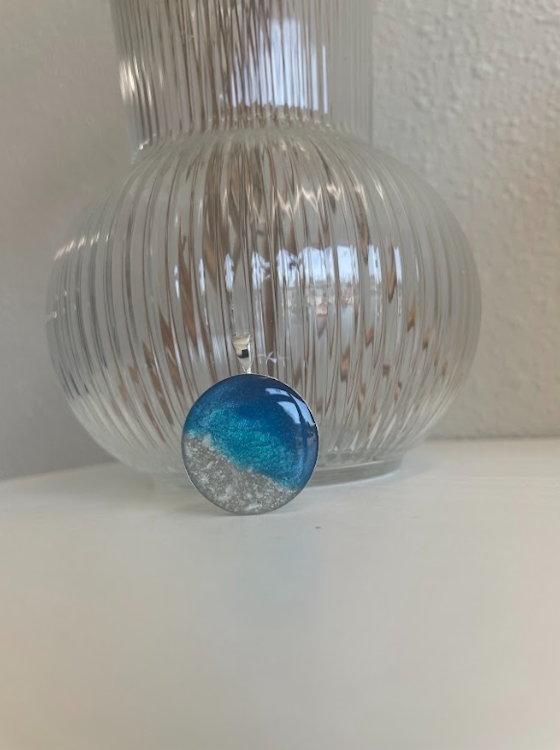
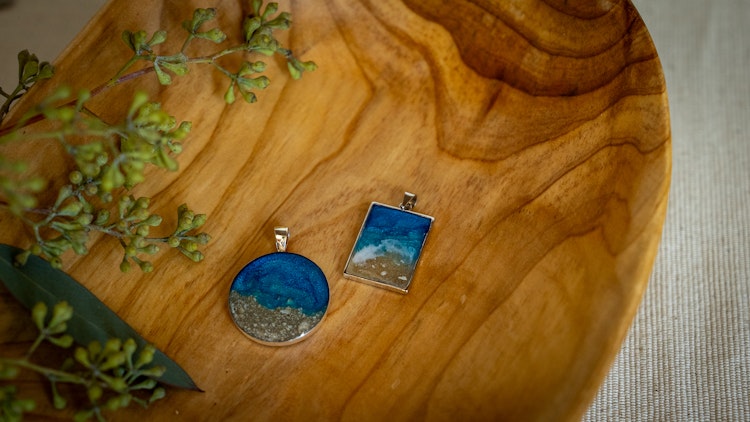
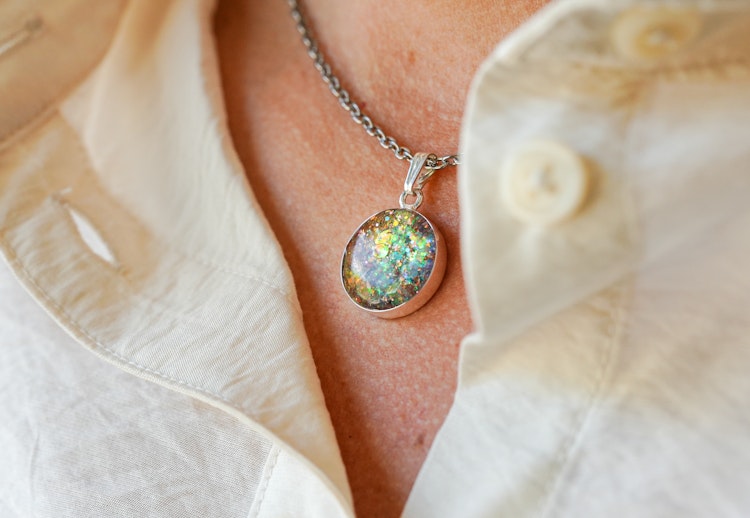
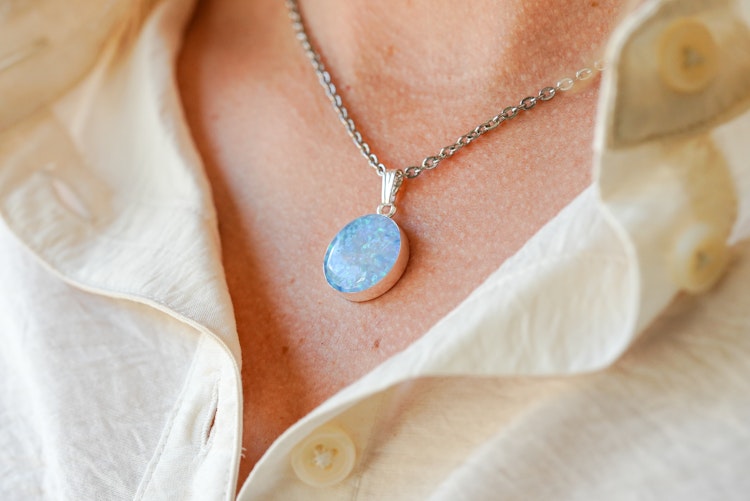
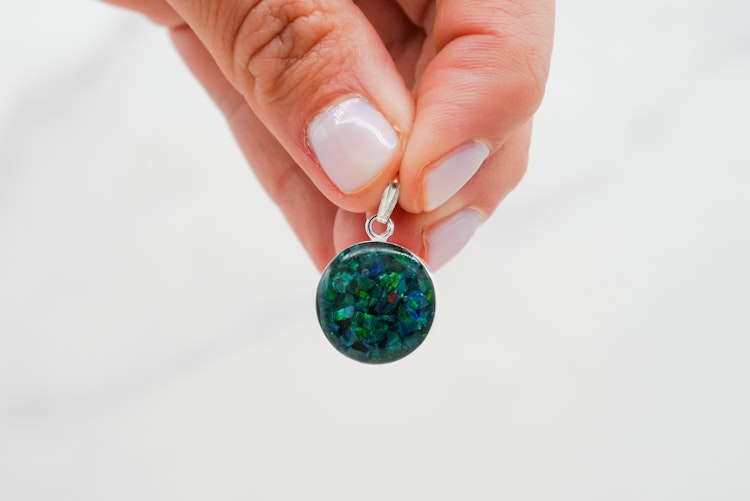
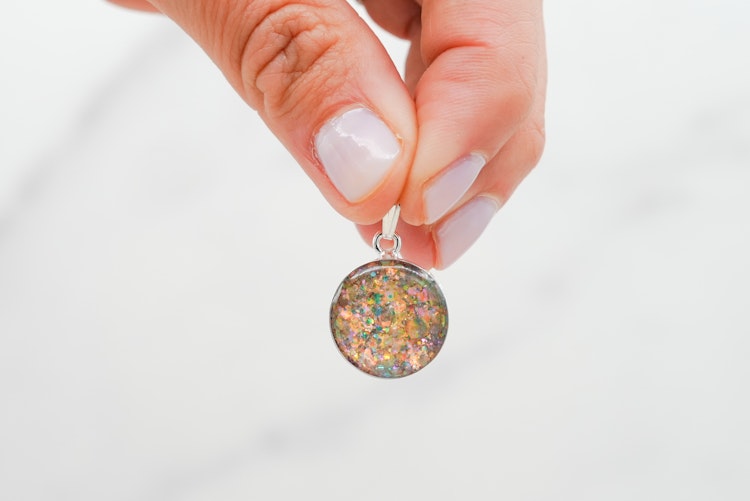
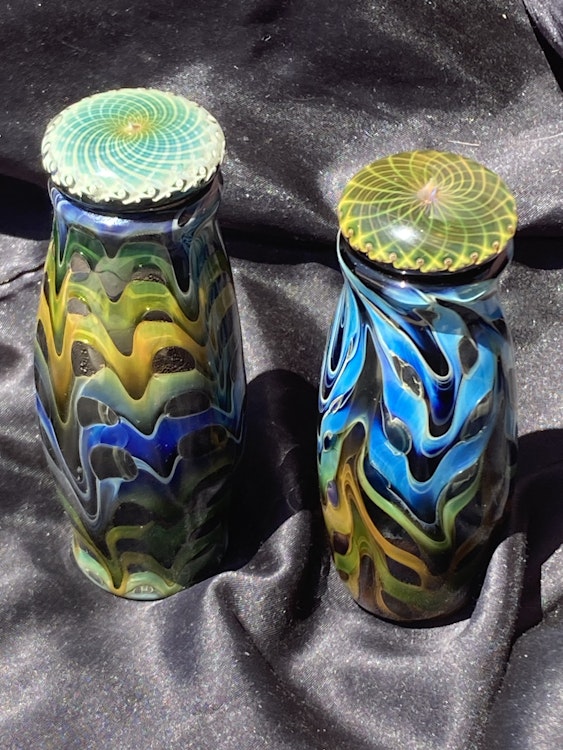
No Hawaii-based scattering service is listed on The Memorial Market yet. Delivery of urns and jewelry to the islands depends on each maker, so check the listing or message the maker first.

How to plan a scattering in Hawaii, step by step
Confirm who decides
The person with the legal right to control disposition (usually the named agent, spouse or next of kin) makes the call. If relatives disagree, settle it before anything is scattered.
Pick the place and ask
Use the table above. Get permission from the landowner or the agency in writing where the rules call for it, and carry it with you.
Check permits
National parks, some state parks and some cities issue permits or set conditions. Ask a few weeks ahead.
Prepare the ashes
Remove them from any non-biodegradable container. Use a scattering urn or tube, or a biodegradable water urn at sea.
Keep a portion if you like
Many families set aside a spoonful for cremation jewelry or a small keepsake urn before the scattering.
Report sea scatterings
If you scatter in the ocean yourself, report it to the EPA within 30 days. Licensed boat services usually do this for you.
Choosing how to scatter? See the ten ways to scatter ashes, from casting and trenching to boats, planes and fireworks, and our ceremony ideas.
Scattering ashes laws in other states
- Scattering ashes in California
- Scattering ashes in Florida
- Scattering ashes in Texas
- Scattering ashes in New York
- Scattering ashes in Washington
- Scattering ashes in Oregon
- Scattering ashes in Arizona
- Scattering ashes in Alaska
- Scattering ashes in Nevada
- Scattering ashes in Colorado
- Scattering ashes in Massachusetts
- Scattering ashes in North Carolina
- Scattering ashes in New Jersey
- Scattering ashes in Georgia
- Scattering ashes in Pennsylvania
- Scattering ashes in Michigan
- Scattering ashes in Tennessee
- Scattering ashes in Alabama
Compare every state in one table on our scattering ashes laws by state page.
Frequently asked questions
Is it legal to scatter ashes in Hawaii?
Yes. We found no Hawaii statute limiting where ashes may be scattered, and a DLNR spokesperson has said no state permit is required. Federal rules apply in the ocean and in national parks.
How far out do you have to scatter ashes in Hawaii?
At least 3 nautical miles from land under the EPA general permit, measured from every piece of land including small islets. Report the scattering to the EPA within 30 days.
Can you put a lei in the ocean with the ashes?
Yes, if it breaks down naturally. DLNR guidance asks that you remove the string first to protect marine life.
Can you scatter ashes from the beach in Hawaii?
The federal ocean permit doesn’t cover water near shore, and we found no state park policy, so ask the managing agency. Many families hold a paddle-out with flowers and scatter the ashes offshore by boat.
Can you scatter ashes at Haleakalā?
Only with a permit. Haleakalā National Park treats scattering ashes as a special use that requires one.
Can you scatter ashes at Hawaiʻi Volcanoes National Park?
Only with a permit. Contact the park well ahead of time.
Does the Navy do burials at sea from Hawaii?
Yes, for eligible veterans and dependents. The Navy Liaison Unit at Tripler Army Medical Center coordinates cremated remains. Families do not attend the committal.
General information, not legal advice. Laws and agency policies change; confirm with the agency, landowner or your provider before you go.
Sources
Every rule and price range above comes from these pages, checked November 16, 2026.
- Honolulu Star-Advertiser, Kokua Line (DLNR on ashes and lei, 2014)
- Hawaii Revised Statutes ch. 338 (see §338-23)
- 15 C.F.R. 922.184, Hawaiian Islands Humpback Whale National Marine Sanctuary
- Haleakalā National Park, Permits
- Hawaiʻi Volcanoes National Park, Permits
- U.S. EPA, Burial at Sea (general permit and FAQ)
- 40 C.F.R. 229.1, Burial at sea general permit
- 36 C.F.R. 2.62, Memorialization in national parks
- U.S. Navy, Burial at Sea program (MyNavy HR)