Burial at Sea in Hawaii: Ash Scattering Rules, Lei and Costs
In Hawaii, returning someone to the ocean often comes with lei, ti leaves and a paddle-out from the beach. The state leaves scattering largely to respect and common sense, while federal rules govern the ocean. Here is how a burial at sea works on Oahu, Maui, Kauai and the Big Island, and what it costs.
By The Memorial Market Editorial Team · Updated · 7 min read
Quick answer
A burial at sea in Hawaii means scattering ashes in the Pacific at least 3 nautical miles from land, counted from every island and islet, under the EPA general permit, and reporting it to EPA Region 9 within 30 days. There is no application or fee. We found no Hawaii law limiting where ashes may be scattered; a state spokesperson has said no state permit is needed. Use only flowers and lei that break down, and remove lei strings first. Published charter prices start at $695 for an hour on Oahu for up to six guests, and $1,950 for two hours on Maui. Eligible veterans can be committed at sea through the Navy in Honolulu.
Key facts
- Ocean: at least 3 nautical miles from all land, including small islets; report to EPA Region 9 within 30 days.
- No Hawaii statute limits where ashes may be scattered; a 2014 DLNR statement said no state permit is required.
- Lei and flowers must break down in the ocean; take the string out of a lei before it goes in the water.
- Haleakalā and Hawaiʻi Volcanoes national parks treat scattering as a special use that needs a permit.
- Published prices: Oahu from $695 (1 hour, up to 6 guests); Maui $1,950 (2 hours).
- Navy burial at sea: the Navy liaison in Honolulu coordinates cremated remains of eligible veterans and dependents.
The rules for a burial at sea in Hawaii
The EPA general permit covers cremated remains in ocean waters at least 3 nautical miles from land, with no application and no fee, and a report to the EPA within 30 days (EPA; 40 CFR 229.1). Hawaii departures report to EPA Region 9. Because some inter-island channels are narrow, measure the distance from every piece of land, including small islets, and ask your captain to confirm the position before the ceremony.
On the state side, we found no Hawaii statute limiting where ashes may be scattered. In a 2014 Honolulu Star-Advertiser column, a Department of Land and Natural Resources spokesperson said neither DLNR nor the Department of Health regulates scattering, so no state permit is needed (Star-Advertiser). That is a newspaper report rather than a regulation, so confirm with the agency for the place you choose. More detail is in scattering ashes in Hawaii.
Much of the nearshore water around the main islands is inside the Hawaiian Islands Humpback Whale National Marine Sanctuary. Its discharge rule targets activities done without a required permit, so a scattering that follows the EPA permit appears to be fine there (15 CFR 922.184).
Lei, flowers and paddle-outs
Only materials that break down readily may go in the ocean with the ashes (EPA). DLNR has asked families to remove the string from a lei before placing it in the water, to protect marine life (Star-Advertiser). Loose petals, ti leaves and string-free lei are ideal.
A paddle-out from the beach, with surfboards or canoes forming a circle and flowers on the water, is a treasured island way to honor someone. Placing the ashes themselves close to shore is not covered by the federal ocean permit, so many families hold the paddle-out with flowers and take the ashes 3 nautical miles out by boat, before or after.
How it works on each island
Choose a harbor
On Oahu, memorial charters leave from Honolulu harbors such as Kewalo Basin and the Ala Wai; on Maui, from harbors such as Māʻalaea. On every island, ask how long the run is to 3 nautical miles from all land.
Book a licensed captain
Look for a U.S. Coast Guard–licensed captain who offers memorial trips, and ask whether they file the EPA report.
Prepare the ashes and flowers
Bring the ashes to pour, or in a biodegradable water urn. Take the string out of every lei.
The ceremony
Some charters offer Hawaiian clergy or a ukulele musician as part of a package. Our burial at sea prayers and readings has words to read when the ashes go in.
Report it
Within 30 days, report the burial to EPA Region 9 (EPA).
What a burial at sea costs in Hawaii
| Service | Island | Published price |
|---|---|---|
| Private 1-hour cruise, up to 6 guests, certificate and petals | Oahu | $695 (operator) |
| Private 1-hour cruise, 7 to 49 guests | Oahu | $995–$1,295 (operator) |
| Private 1.5-hour cruise with eco-urn, up to 6 guests | Oahu | $995 (operator) |
| 2-hour package with clergy or musician and food, up to 6 guests | Oahu | $1,495 (operator) |
| 2-hour ash scattering charter | Maui | $1,950 (operator) |
| 3-hour ash scattering charter | Maui | $2,600 (operator) |
Prices as published by each operator; we link them only as sources. Compare other regions in our burial at sea cost guide.
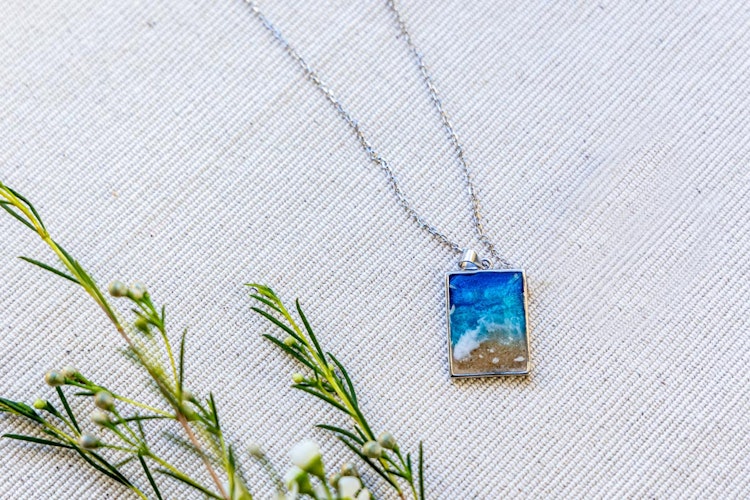
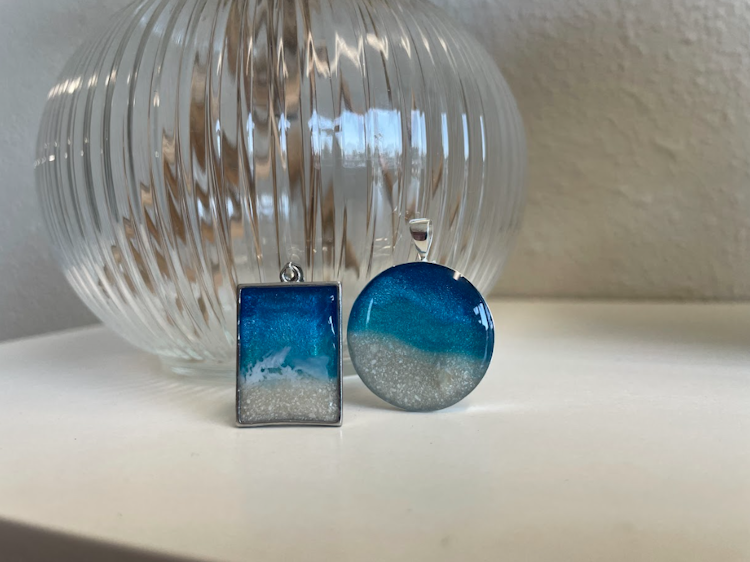
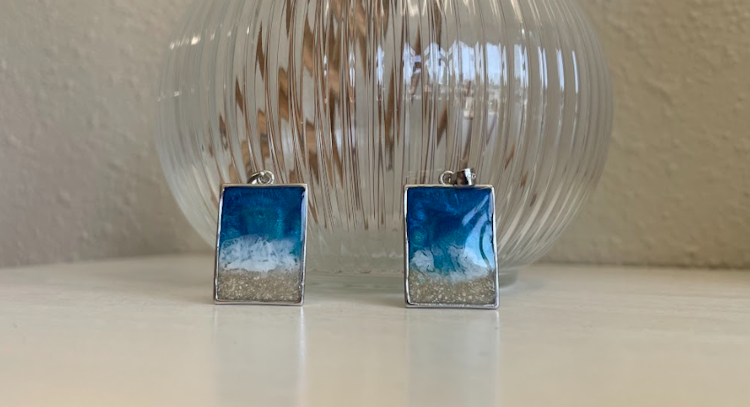
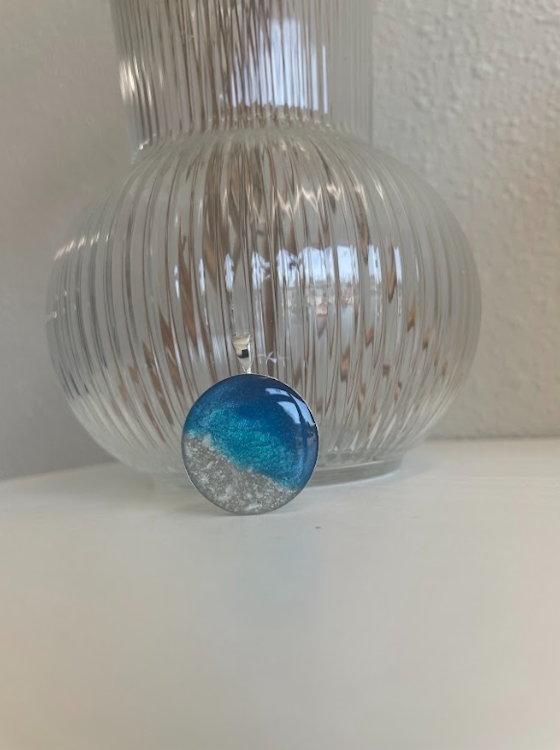
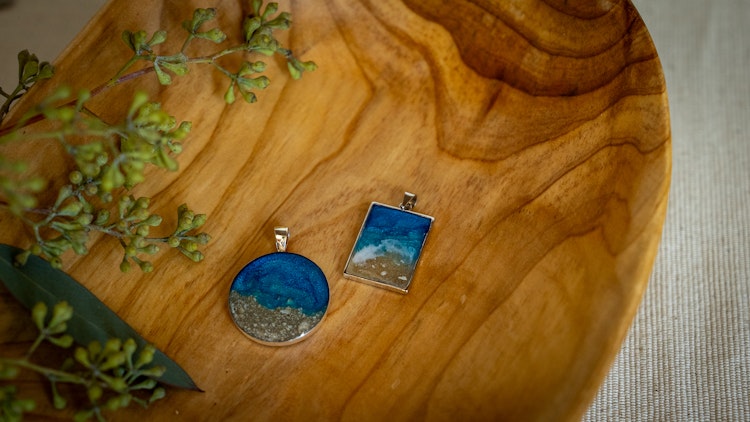
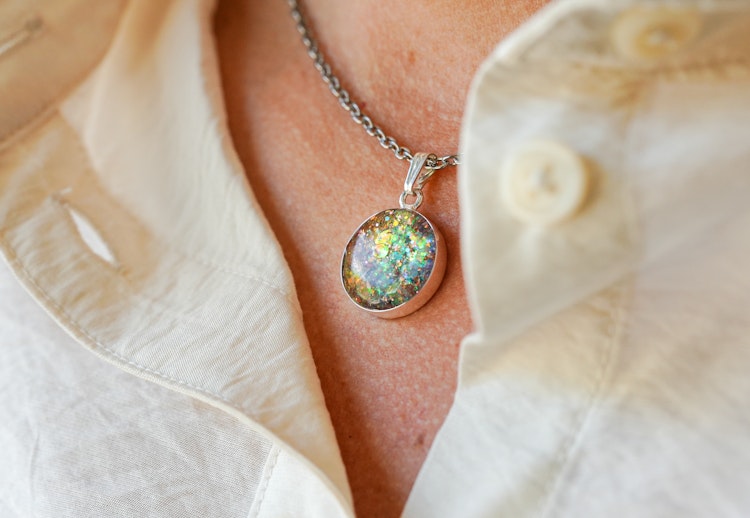
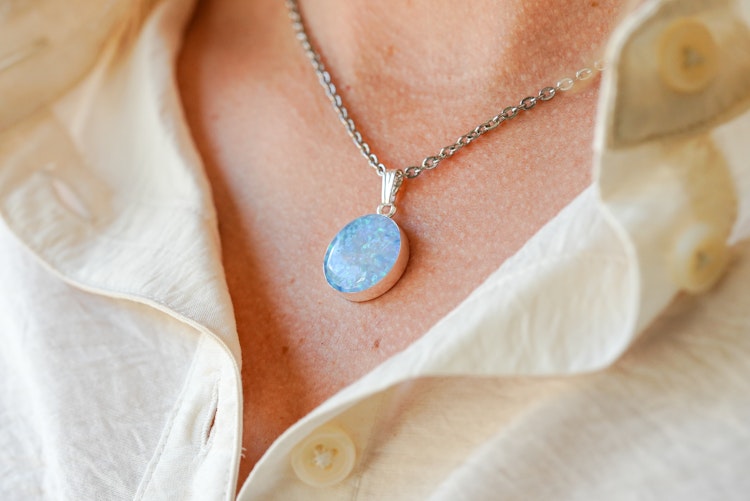
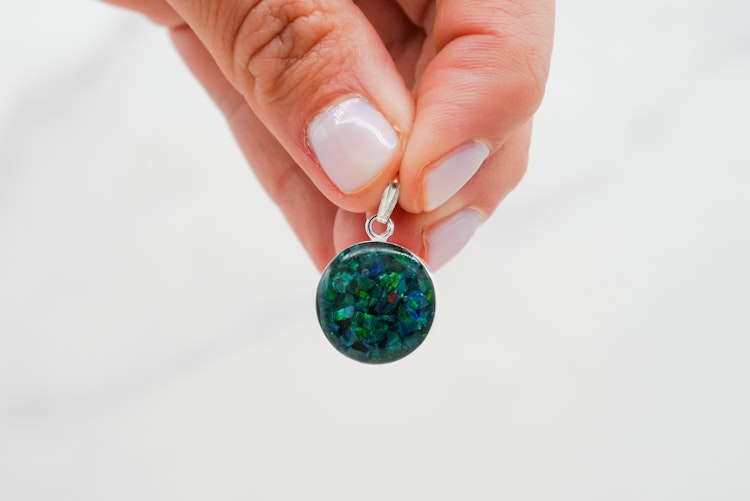
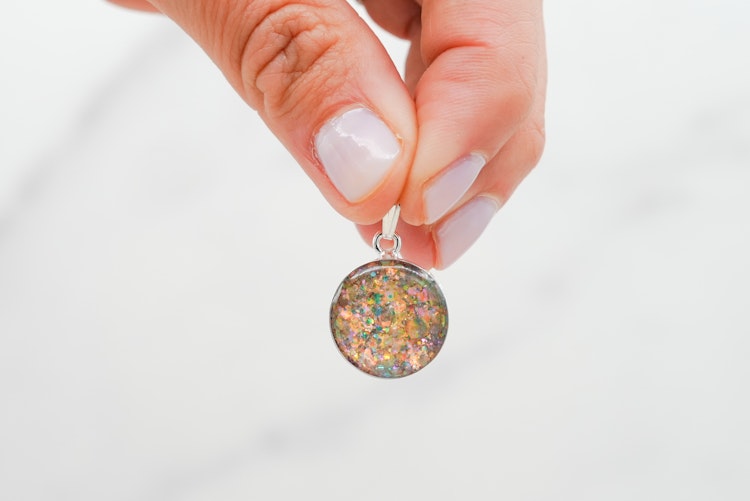
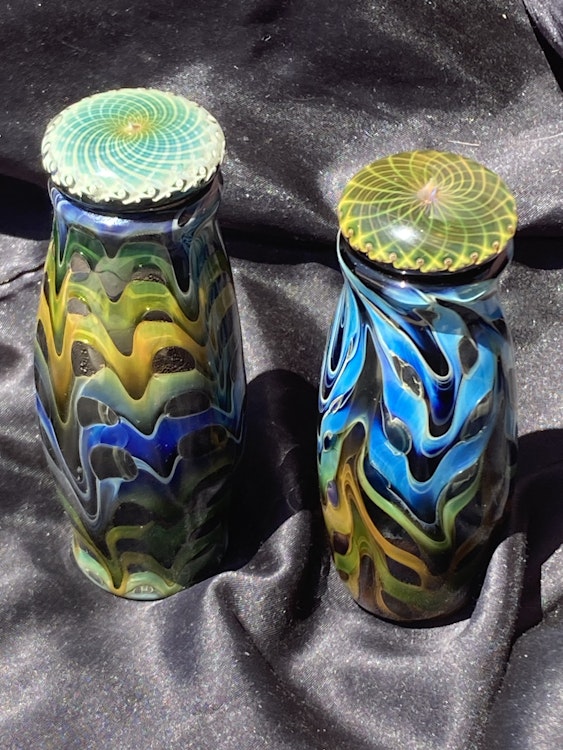
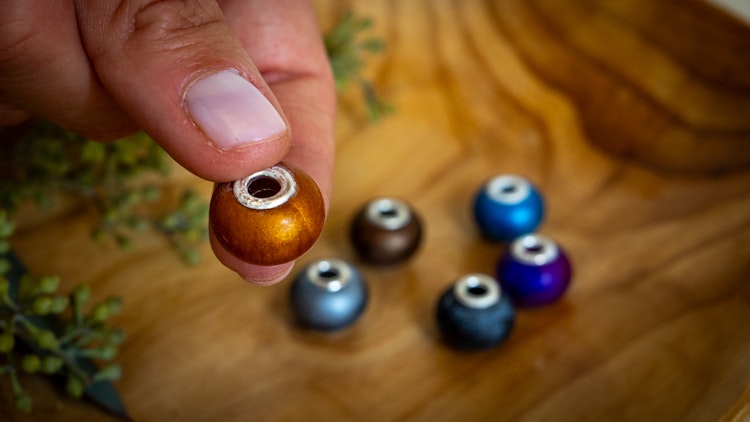
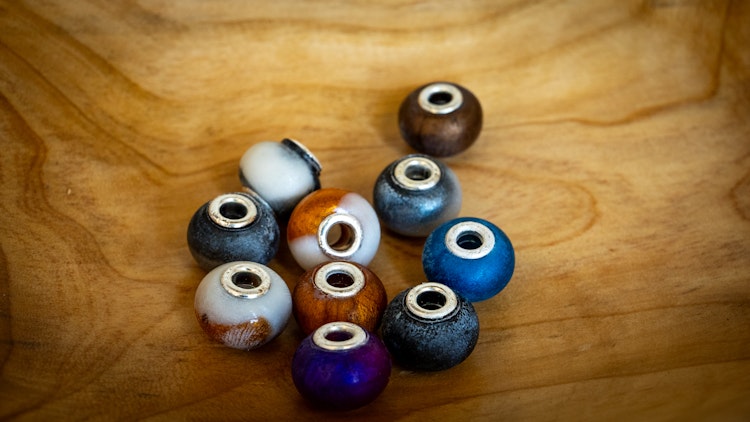
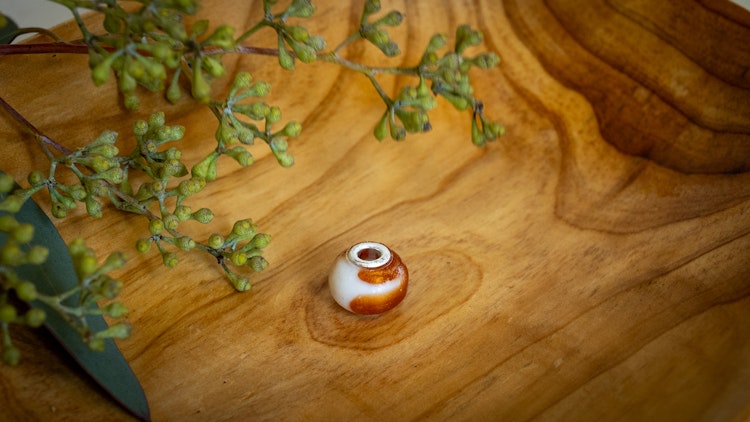
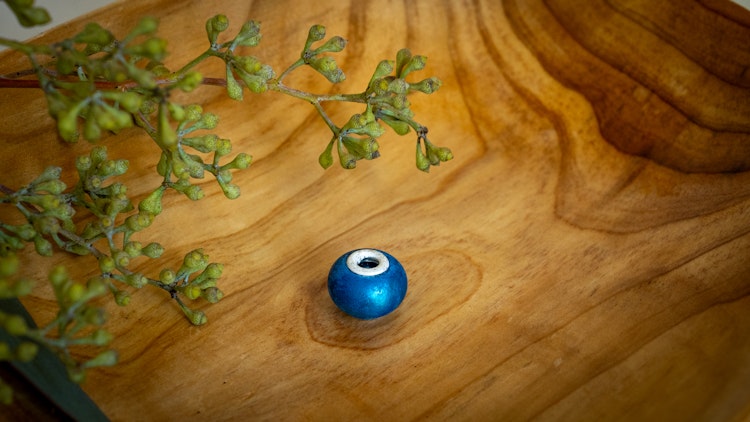
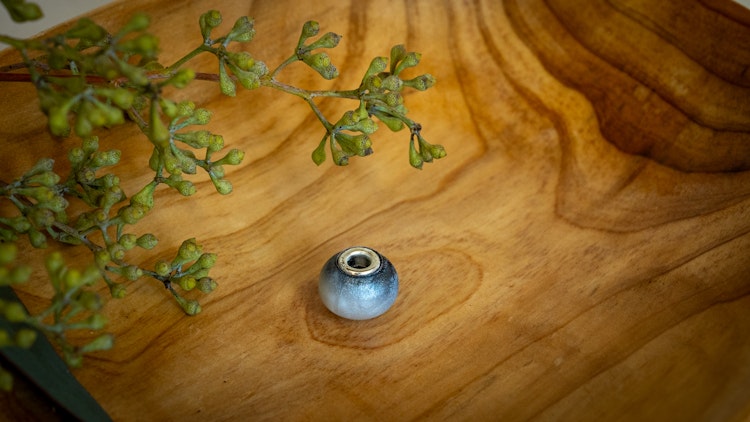
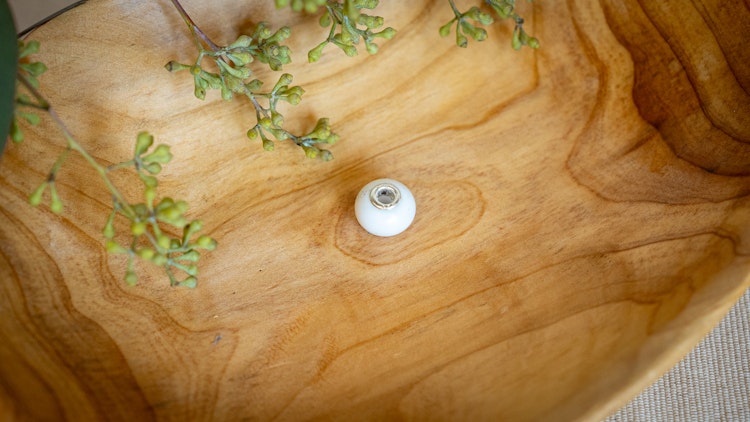
No Hawaii boat is listed on The Memorial Market yet. Delivery of urns and jewelry to the islands depends on each maker, so check the listing or message the maker first.


National parks on land
Frequently asked questions
Is it legal to scatter ashes in the ocean in Hawaii?
Yes. Under the EPA general permit you can scatter cremated remains at least 3 nautical miles from all land, including islets, and report it to EPA Region 9 within 30 days. No application or fee is needed.
Do I need a state permit to scatter ashes in Hawaii?
We found no Hawaii law requiring one, and a 2014 statement from DLNR said no state permit is needed. National parks such as Haleakalā and Hawaiʻi Volcanoes require a special use permit.
Can I put a lei in the ocean with the ashes?
Yes, if it breaks down naturally. Remove the string first, as DLNR has asked, to protect marine life.
Can we scatter ashes at a paddle-out from the beach?
The federal ocean permit starts 3 nautical miles from land, so many families hold the paddle-out with flowers and take the ashes offshore by boat.
How much does ash scattering cost in Hawaii?
Published prices include $695 for a private one-hour trip for up to six guests on Oahu, and $1,950 for a two-hour charter on Maui.
Does the Navy do burials at sea from Hawaii?
Yes. Honolulu is a Navy port of embarkation for the cremated remains of eligible veterans and dependents. Families do not attend.
General information, not legal advice. Laws and agency policies change; confirm with the agency, landowner or your provider before you go.
Sources
Every rule and price range above comes from these pages, checked November 22, 2026.
- U.S. EPA, Burial at Sea
- 40 C.F.R. 229.1, Burial at sea general permit
- Honolulu Star-Advertiser, Kokua Line (DLNR on ashes and lei), 2014
- 15 C.F.R. 922.184, Hawaiian Islands Humpback Whale National Marine Sanctuary
- Haleakalā National Park, Permits
- Hawaiʻi Volcanoes National Park, Permits
- U.S. Navy, Burial at Sea program (MyNavy HR)
- Oahu operator, memorial charter rates
- Maui operator, ash scattering charter rates