Scattering Ashes in South Carolina: Laws, Permits and Where You Can Scatter
Families in South Carolina scatter ashes on family land, in parks and on the water. We could not verify a South Carolina statute that spells out where ashes may go, so the practical rules come from landowners, park managers and federal law. Here is what we could confirm, with sources, and what to check locally.
By The Memorial Market Editorial Team · Updated · 4 min read

Quick answer
We know of no South Carolina law that bans scattering ashes, but we could not verify a South Carolina statute that names where ashes may go, so check with the county and the state before you rely on a location. On private land, get the owner’s permission, in writing if you can. In Congaree National Park and other National Park Service sites, scattering needs a permit or the park’s published conditions (36 CFR 2.62). For South Carolina state parks, ask South Carolina State Parks first. At sea, go at least 3 nautical miles from land and report the scattering to the EPA within 30 days.
Key facts
- No South Carolina statute naming where ashes may be scattered was verified for this guide; confirm with the county and state.
- Private land: get the owner’s permission, ideally in writing.
- National Park Service sites (Congaree National Park and Fort Sumter and Fort Moultrie National Historical Park): permit or published conditions required (36 CFR 2.62).
- South Carolina state parks: ask South Carolina State Parks or the park manager first.
- Ocean: at least 3 nautical miles out, reported to EPA Region 4 (Southeast) within 30 days.
South Carolina scattering ashes laws at a glance
| Where | The rule | Source |
|---|---|---|
| Private land | Owner’s permission, ideally in writing | No state statute verified; ask the owner |
| National Park Service sites (Congaree National Park) | Permit or published park conditions | 36 CFR 2.62 |
| State parks | Ask the park manager before you go | South Carolina State Parks |
| Cities and counties | Local rules may apply; check with the county or city | Check locally |
| Ocean (the Atlantic) | 3 nautical miles out; EPA Region 4 (Southeast) report within 30 days | EPA |
Is it legal to scatter ashes in South Carolina?
We know of no South Carolina law that makes scattering ashes illegal, but we could not verify a South Carolina statute that lists where cremated remains may be scattered. That doesn’t mean anything goes. It means the owner of the land or water decides, and cities, counties and park agencies can set their own conditions.
Before you rely on any spot, check with the county (or city) and with the state agency that licenses funeral homes and crematories. A local funeral director or crematory can usually tell you who to call. Rules change, so treat this page as a starting point, not legal advice.
National parks and state parks in South Carolina
National Park Service sites in South Carolina include Congaree National Park and Fort Sumter and Fort Moultrie National Historical Park. Federal regulation 36 CFR 2.62 prohibits scattering human ashes in a park unless the superintendent has issued a permit or designated areas with conditions, so check the park’s Superintendent’s Compendium or call its permit office before you go (36 CFR 2.62).
South Carolina state parks: contact South Carolina State Parks or the park manager and ask whether a permit or special-use approval is needed, and where a quiet scattering is acceptable. Ask a few weeks ahead, and carry any written approval with you.
Scattering ashes off the South Carolina coast
The EPA general permit covers ocean waters at least 3 nautical miles from land, and whoever carries out the burial reports it to the EPA within 30 days (EPA; 40 CFR 229.1). Bays, sounds, rivers and lakes inside that line are not covered by the federal permit, so ask the state or the agency that manages the water before scattering there.
Charleston is the busiest place in the state for burials at sea. Our Charleston burial at sea guide covers boats, costs and the harbor.
Choosing an urn for a South Carolina scattering
Many families scatter part of the ashes and keep the rest. Browse cremation urns and unique urns for the portion you keep, cremation jewelry for a small keepsake, and pet urns for a companion animal. For the scattering itself, a scattering urn or tube makes it easier to control, and at sea use a biodegradable water urn.
Scattering ashes at sea from South Carolina
We don’t list a South Carolina charter yet, so ask local captains for the cost; our burial at sea cost guide explains what drives the price.
- Distance: at least 3 nautical miles from land under the EPA general permit (40 CFR 229.1).
- Report: whoever scatters reports it to the EPA within 30 days. South Carolina reports go to EPA Region 4 (Southeast) (EPA).
- What can go in: the ashes, a biodegradable urn and loose natural flowers. No plastic, metal or synthetic wreaths.
- No application ahead of time: the general permit covers every lawful burial at sea; you just follow it and report.
Veterans: the U.S. Navy commits the ashes of eligible veterans and their dependents at sea from Navy ships. The nearest Navy port of embarkation is Jacksonville, FL (Naval Station Mayport) or Norfolk, VA (Naval Medical Center Portsmouth); the family does not attend (Navy; see our Navy burial at sea guide).
Planning a ceremony on the water? Our burial at sea guide covers costs, boats and water urns, and our burial at sea prayers and readings has words to read when the ashes go in.
Ash scattering services and keepsakes for South Carolina families
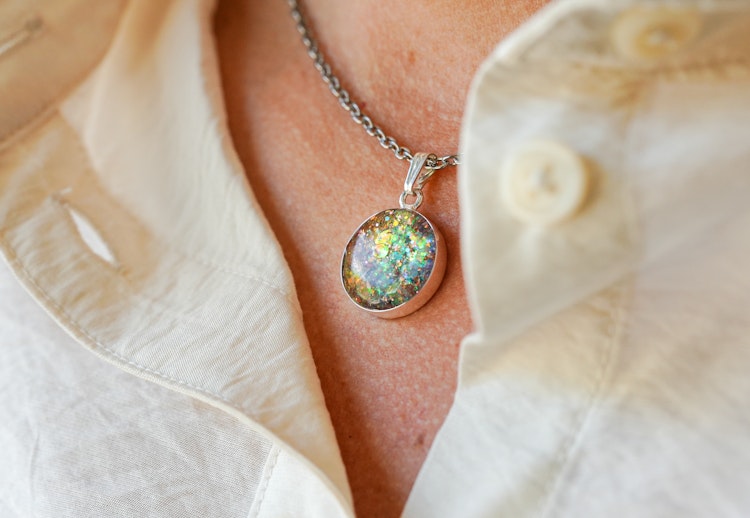
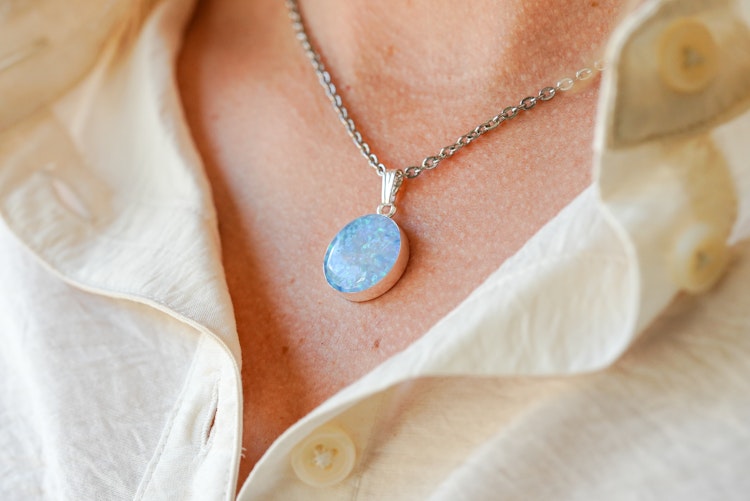
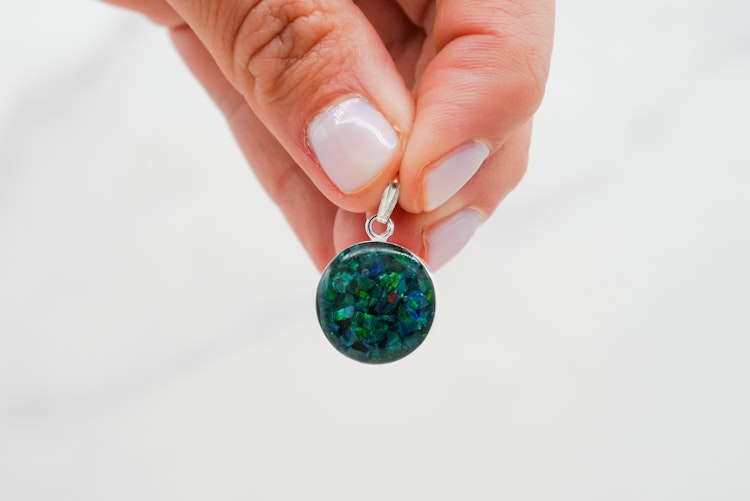
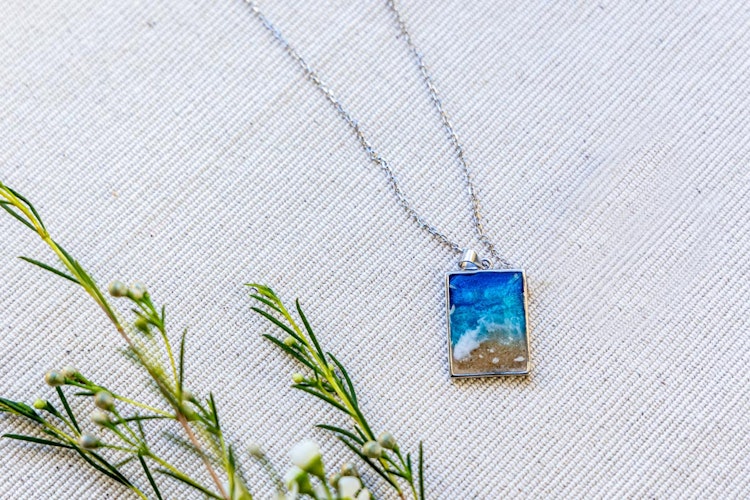
No South Carolina scattering service is listed on The Memorial Market yet. For the portion you keep, here are cremation jewelry and keepsakes from our makers.
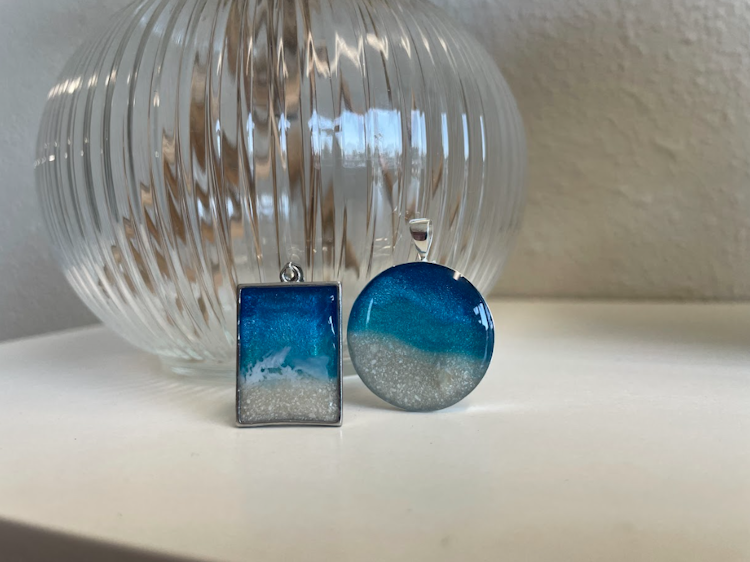
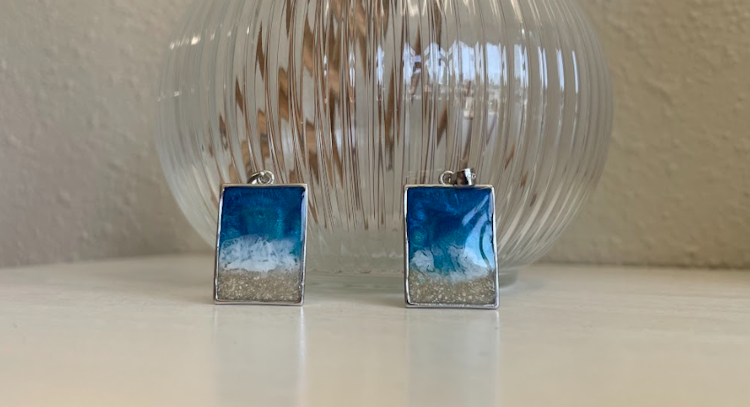
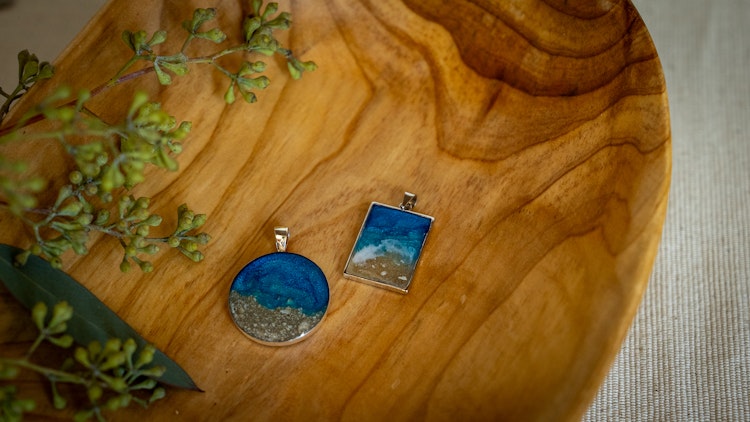
Ash Memorial Pendant
$85, Brooklyn G
Ocean Tides Pendant - Sterling Silver Memorial Pendant
$95, Brooklyn G
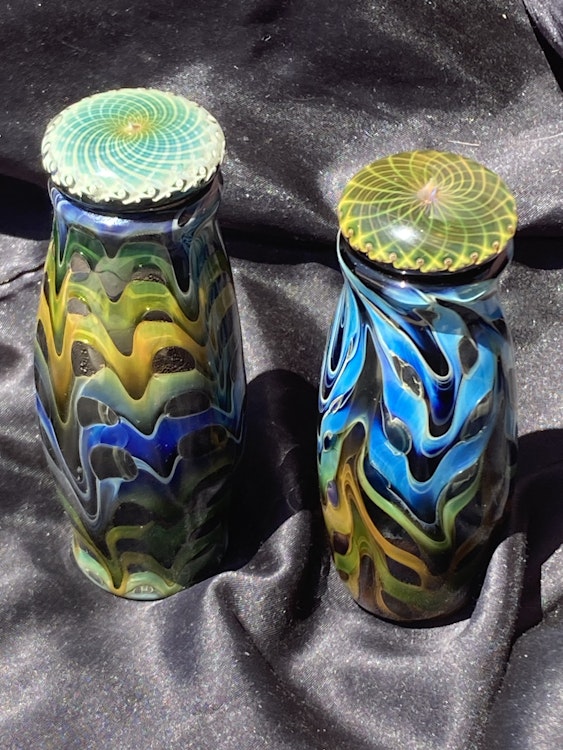
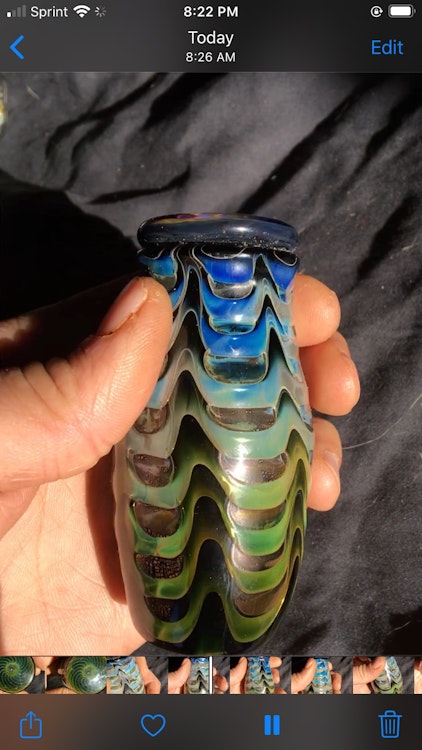
Small hand blown glass urn
$150, Isaac P
Beloved Bead - Individual Memorial Bead - Cremains beads
$55, Brooklyn G













How to plan a scattering in South Carolina, step by step
Confirm who decides
The person with the legal right to control disposition (usually the named agent, spouse or next of kin) makes the call. If relatives disagree, settle it before anything is scattered.
Pick the place and ask
Use the table above. Get permission from the landowner or the agency in writing where the rules call for it, and carry it with you.
Check permits
National parks, some state parks and some cities issue permits or set conditions. Ask a few weeks ahead.
Prepare the ashes
Remove them from any non-biodegradable container. Use a scattering urn or tube, or a biodegradable water urn at sea.
Keep a portion if you like
Many families set aside a spoonful for cremation jewelry or a small keepsake urn before the scattering.
Report sea scatterings
If you scatter in the ocean yourself, report it to the EPA within 30 days. Licensed boat services usually do this for you.
Choosing how to scatter? See the ten ways to scatter ashes, from casting and trenching to boats, planes and fireworks, and our ceremony ideas.
Scattering ashes laws in other states
- Scattering ashes in California
- Scattering ashes in Florida
- Scattering ashes in Texas
- Scattering ashes in New York
- Scattering ashes in Washington
- Scattering ashes in Hawaii
- Scattering ashes in Oregon
- Scattering ashes in Arizona
- Scattering ashes in Alaska
- Scattering ashes in Nevada
- Scattering ashes in Colorado
- Scattering ashes in Massachusetts
- Scattering ashes in North Carolina
- Scattering ashes in New Jersey
- Scattering ashes in Georgia
- Scattering ashes in Pennsylvania
- Scattering ashes in Michigan
- Scattering ashes in Tennessee
- Scattering ashes in Alabama
- Scattering ashes in Illinois
- Scattering ashes in Ohio
- Scattering ashes in Virginia
- Scattering ashes in Minnesota
- Scattering ashes in Utah
- Scattering ashes in Maine
- Scattering ashes in Arkansas
- Scattering ashes in Connecticut
- Scattering ashes in Delaware
- Scattering ashes in Idaho
- Scattering ashes in Indiana
- Scattering ashes in Iowa
- Scattering ashes in Kansas
- Scattering ashes in Kentucky
- Scattering ashes in Louisiana
- Scattering ashes in Maryland
- Scattering ashes in Mississippi
- Scattering ashes in Missouri
- Scattering ashes in Montana
- Scattering ashes in Nebraska
- Scattering ashes in New Hampshire
- Scattering ashes in New Mexico
- Scattering ashes in North Dakota
- Scattering ashes in Oklahoma
- Scattering ashes in Rhode Island
- Scattering ashes in South Dakota
- Scattering ashes in Vermont
- Scattering ashes in West Virginia
- Scattering ashes in Wisconsin
- Scattering ashes in Wyoming
Compare every state in one table on our scattering ashes laws by state page.
Frequently asked questions
Is it legal to scatter ashes in South Carolina?
We know of no South Carolina law that bans it, but we could not verify a state statute that names where ashes may be scattered. Get the landowner’s permission, and check with the county and state before you go.
Do I need a permit to scatter ashes in South Carolina?
Usually not for your own land or private land with the owner’s permission. National Park Service sites such as Congaree National Park need a permit or published conditions under 36 CFR 2.62, and state parks may require approval. At sea, the EPA permit applies automatically, but you must report within 30 days.
Can you scatter ashes in Congaree National Park?
Only with a permit or under conditions the park publishes, under federal rule 36 CFR 2.62. Check the park’s Superintendent’s Compendium or contact its permit office before you go.
Can you scatter ashes in South Carolina state parks?
Ask first. Contact South Carolina State Parks or the park manager and ask whether a permit or special-use approval is needed.
How far out do you have to go to scatter ashes at sea from South Carolina?
At least 3 nautical miles from land under the EPA general permit, with a report to the EPA within 30 days. Bays and rivers inside the closing line don’t count.
General information, not legal advice. Laws and agency policies change; confirm with the agency, landowner or your provider before you go.
Sources
Every rule and price range above comes from these pages, checked November 27, 2026.
- Congaree National Park (National Park Service)
- Fort Sumter and Fort Moultrie National Historical Park (National Park Service)
- South Carolina State Parks
- U.S. EPA, Burial at Sea (general permit and FAQ)
- 40 C.F.R. 229.1, Burial at sea general permit
- 36 C.F.R. 2.62, Memorialization in national parks
- U.S. Navy, Burial at Sea program (MyNavy HR)